


True Religion is pursuing a turnaround by targeting Gen Z and millennial shoppers with lower-priced clothing, music partnerships and trend-led collections, rather than trying to dictate fashion as it did during its premium-denim heyday.
Michael Buckley, who led the brand as president from 2006 to 2010 and returned as chief executive in 2019, said the company now aimed to be “first to be second” by adopting styles only after they had gained traction.
“Years ago, we created the trend. We’re not creating any trends today. We are following the trends,” he said.
The strategy includes monitoring online conversations and emerging styles such as baggy men’s jeans, low-rise women’s denim and crystal embellishments. Buckley said the business could produce 300 pieces of a newly identified style and have them in stores within two or three months.
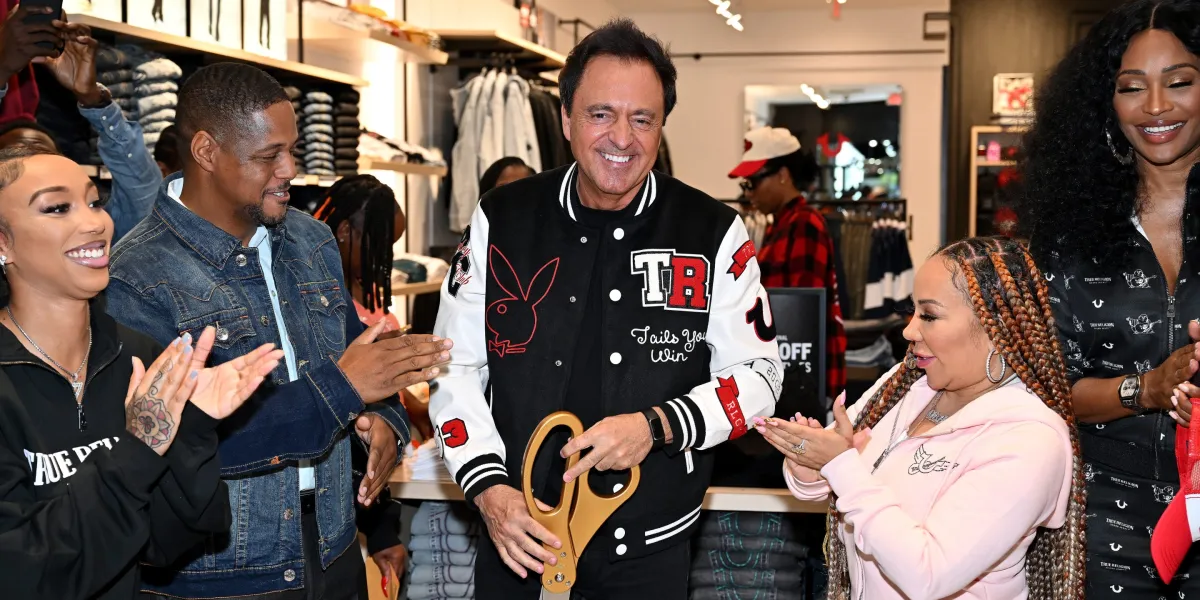
Crystals have become a particular focus, appearing on T-shirts, hoodies, joggers and jeans. At one store event, customers were able to add their initials to garments with decorative stones.
True Religion turnaround built around lower prices
The company’s original image was based on conspicuous, heavily stitched jeans associated with celebrities including Paris Hilton and Jessica Simpson. Those products were once sold mainly to affluent department-store customers for between 200 and 300 dollars.
Research commissioned after Buckley’s return found that the brand’s customer base had changed considerably. It was now more diverse, largely aged between 15 and 45, and came from households with incomes of about 65,000 to 85,000 dollars.
“The business was being run as if they were still selling the early adopter customer, and they weren’t,” Buckley said.
Jeans now sell for 59 to 89 dollars, while T-shirts are priced at 19 to 39 dollars. Denim accounts for between 35% and 40% of the business, with hoodies, dresses, joggers, outerwear and other casualwear making up the remainder.
Buckley said the lower prices had required changes to the supply chain, including testing less expensive alternatives against the Italian fabrics previously used by the brand.
Despite the reduction in the price of its jeans compared with two decades ago, he expects revenue of between 525 million and 550 million dollars this year, which he described as the company’s highest ever.
Neil Saunders, managing director of GlobalData Retail, said affordability could make True Religion more accessible, but warned that younger shoppers were still prepared to pay more for brands they considered worthwhile, including Ralph Lauren and Coach.
John Talbott, a retail specialist with experience in turnarounds and store brands, said following established trends could be a safer approach for a company now selling to a mass audience. Styles often begin with niche labels or high-end retailers before gaining wider appeal, he said.
Reaching a new generation through music
True Religion is also using cultural partnerships and live events to rebuild its connection with younger customers. Its collaborations have included Megan Thee Stallion and Zara Larsson, while a four-city concert series with independent music company UnitedMasters began in New York on September 10 with a performance by Dess Dior.
The events combine intimate performances and opportunities to meet artists with products, interactive features and playlists in stores.
Research commissioned by True Religion found that nearly three-quarters of millennials surveyed were attracted to brands with a long history. About two-thirds of Gen Z respondents also favoured heritage brands.
The groups differed in how they might be persuaded to buy. Six in 10 Gen Z respondents said brand-sponsored events, concerts and festivals would make them more likely to purchase, compared with about half of millennials. Millennials were more likely to prefer buying more clothing from a smaller number of trusted brands, with 79% expressing that view.
Plans for further growth
True Religion filed for bankruptcy in 2017 and again in 2020. Buckley attributed the difficulties to excessive debt and the pandemic, while arguing that the brand itself had remained strong.
“You can manage a business improperly while your brand is still strong,” he said.
He is aiming to increase revenue to 900 million dollars over the next five years through the company’s own shops and website, wholesale partners and off-price retailers.
The mid-priced denim market remains crowded, with competitors including American Eagle, Abercrombie & Fitch, Levi’s and Wrangler. Talbott said True Religion’s distinctive pocket design and Buckley’s previous experience with the brand gave it a recognisable base from which to rebuild.
For Buckley, the intended result is a more affordable version of the status once associated with the label’s expensive jeans. “It means status. It makes you feel good,” he said.
