


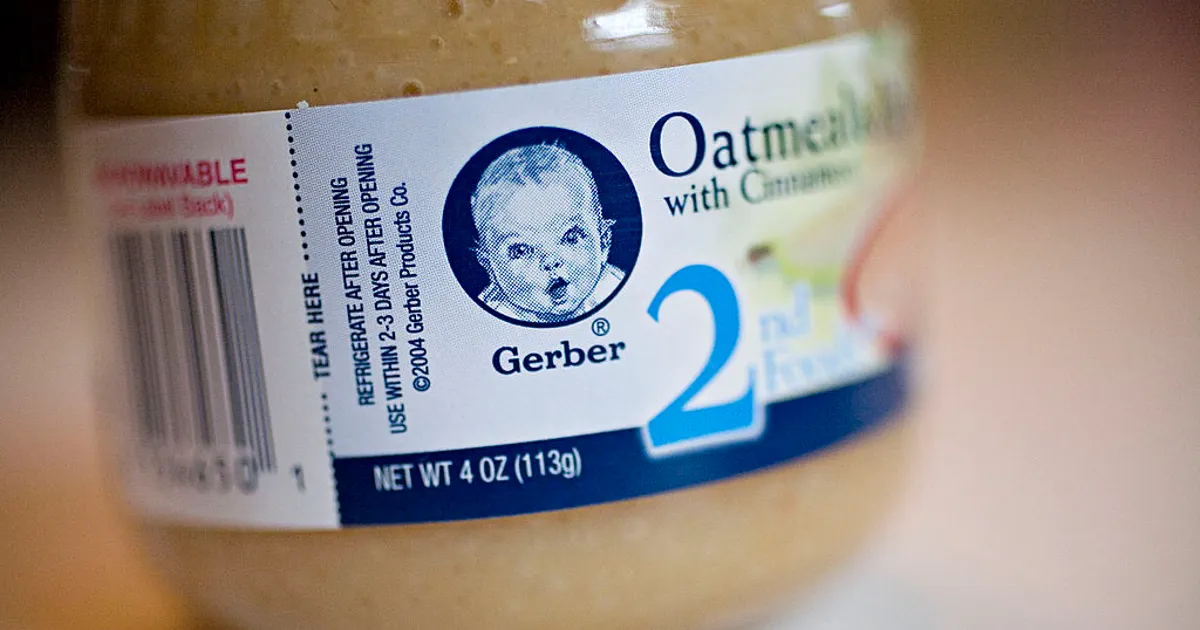
Texas Attorney General Ken Paxton has sued Gerber Products Company and Nestlé USA, accusing the companies of misleading parents about the safety and testing of Gerber baby food.
The lawsuit, filed on 9 October in Collin County district court, alleges that Gerber marketed its products as safe, pure and rigorously tested while internal records showed the presence of arsenic, lead, cadmium and mercury.
Texas lawsuit alleges toxic metals in baby food
According to the state’s complaint, Gerber used 67 batches of rice flour between 2017 and 2019 containing more than nine times the amount of inorganic arsenic permitted by the federal government in bottled water.
The filing also alleges that some carrots contained cadmium levels up to 17 times the bottled-water limit, while sweet potatoes contained nearly 10 times the permitted level of lead. It claims Gerber rarely tested for mercury and generally tested individual ingredients rather than the finished food sold to families. ([texasattorneygeneral.gov](https://www.texasattorneygeneral.gov/news/releases/attorney-general-ken-paxton-sues-major-baby-food-companies-gerber-and-nestle-selling-baby-food))
Arsenic, lead, cadmium and mercury are toxic heavy metals which can affect neurological development. Mr Paxton’s office said there was no established safe level of lead or inorganic arsenic exposure for babies.
“Gerber promised parents its food was safe and rigorously tested. Its own tests showed toxic metals in the food,” Mr Paxton said. “When a company makes promises about what parents feed their babies, I will hold it accountable to ensure those promises are kept.”
The lawsuit alleges that Gerber failed to issue a recall or warning over heavy metals. It contrasts the company’s conduct with Beech-Nut, which recalled its infant rice cereal and stopped selling it after testing showed arsenic levels lower on average than those alleged in Gerber’s cereal.
Gerber has recalled products over issues including plastic contamination and choking risks, but the Texas attorney general’s office said it had not recalled a product because of heavy metals.
The state is also challenging Gerber’s use of QR codes on product labels. The company began publishing test results through the codes in 2025 to comply with California law, but Texas argues that the disclosure did not alter the products or the safety claims printed on their packaging. ([texasattorneygeneral.gov](https://www.texasattorneygeneral.gov/news/releases/attorney-general-ken-paxton-sues-major-baby-food-companies-gerber-and-nestle-selling-baby-food))
Texas is suing under its Deceptive Trade Practices Act and is seeking civil penalties of up to $10,000 for each alleged violation. The petition says the total could exceed $10 million, alongside restitution, legal costs and other remedies.
The case follows a wider investigation launched by Mr Paxton’s office in August 2025 into baby-food manufacturers’ testing and marketing practices. In September, Plum Organics agreed to adopt stricter heavy-metal standards and publish testing information for certain products sold in Texas. ([alt-dev.texasattorneygeneral.gov](https://alt-dev.texasattorneygeneral.gov/news/releases/attorney-general-ken-paxton-launches-investigation-major-baby-food-manufacturers-selling-products?utm_source=openai))
The allegations against Gerber and Nestlé have not been proven in court.
