


The Trump administration has renewed its appeal to the US Supreme Court to enforce new restrictions on mail-in ballots, as states begin distributing voting papers for November’s midterm elections.
The move followed a decision by US District Judge Indira Talwani to maintain an order preventing the Postal Service from enforcing key parts of President Donald Trump’s executive order on federal elections.
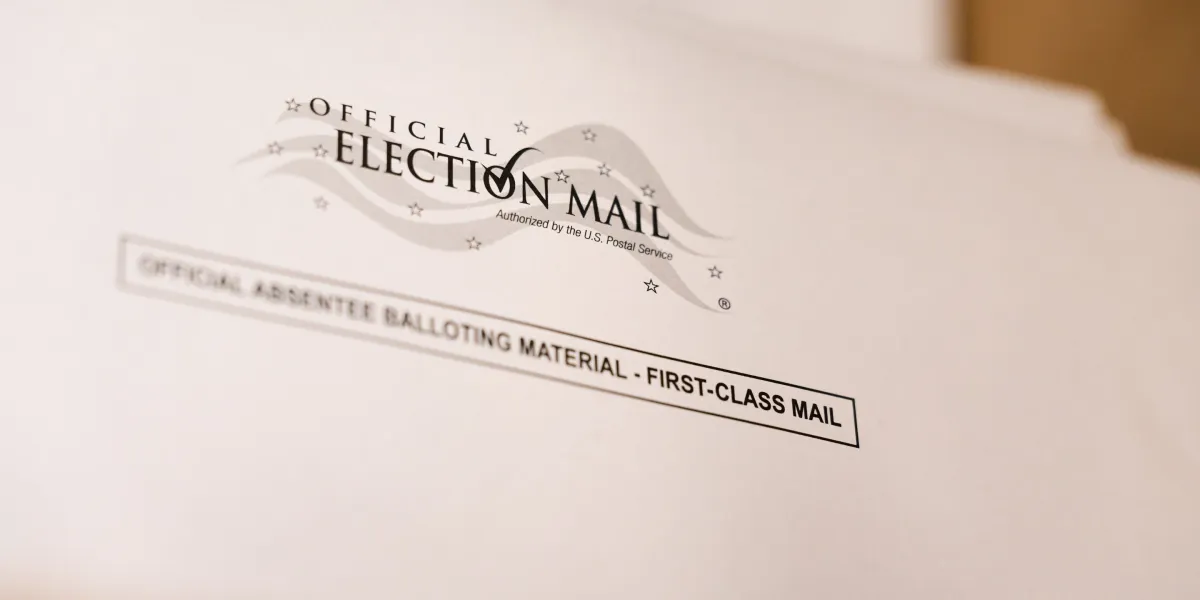
The dispute centres on a new Postal Service rule requiring mail-ballot envelopes to meet specific design and data standards. The requirements include an official Election Mail logo, automation-compatible envelopes and unique barcodes linked to individual voters.
Under the rule, states would also have to obtain Postal Service approval for their ballot designs and submit voter information through a federal portal before using the mail for federal elections.
Solicitor General John Sauer told the Supreme Court that time was running out to implement the changes. “Ballots have already begun to be mailed in North Carolina, and more States will begin the mailing process as the injunction remains in place — including Alabama on September 9 and at least five States the week of September 13,” he wrote.
He argued that once ballot envelopes entered the postal system, they could not be retrieved, and that leaving the new procedures voluntary risked creating uncertainty for election officials.
“Each day the injunction is in place risks sowing confusion and chaos,” Mr Sauer said, urging the justices to suspend Talwani’s order while the legal challenge continued.
The latest application marks the third time the administration has asked the Supreme Court to intervene in the wider dispute. The justices previously allowed parts of Trump’s executive order to proceed, but expressly left open the question of whether the measures were lawful.
Talwani has said the Postal Service may lack the authority to impose the rule and that it was likely unconstitutional and contrary to law. She also cited concerns from election officials that complying with the changes at such short notice could prevent eligible voters from receiving ballots.
The judge’s order allows the Postal Service to continue preparing its systems and communicating with states, but makes participation voluntary while the litigation proceeds.
Democratic-led states and voting rights organisations argue that the changes unlawfully interfere with the states’ constitutional role in administering elections. Officials have warned that redesigning ballot envelopes and creating new systems for sharing voter information would be difficult before the November 3 election.
The administration has described the requirements as limited measures within the Postal Service’s power to regulate the mail. It has also stressed that state and local authorities, rather than the Postal Service, would remain responsible for deciding who may vote by mail and which ballots are counted.
The dispute carries significant political consequences, with control of Congress at stake in the midterms. Nearly one in three US voters cast ballots by mail in recent elections, making the court battle one of the most consequential legal fights of the campaign.
