


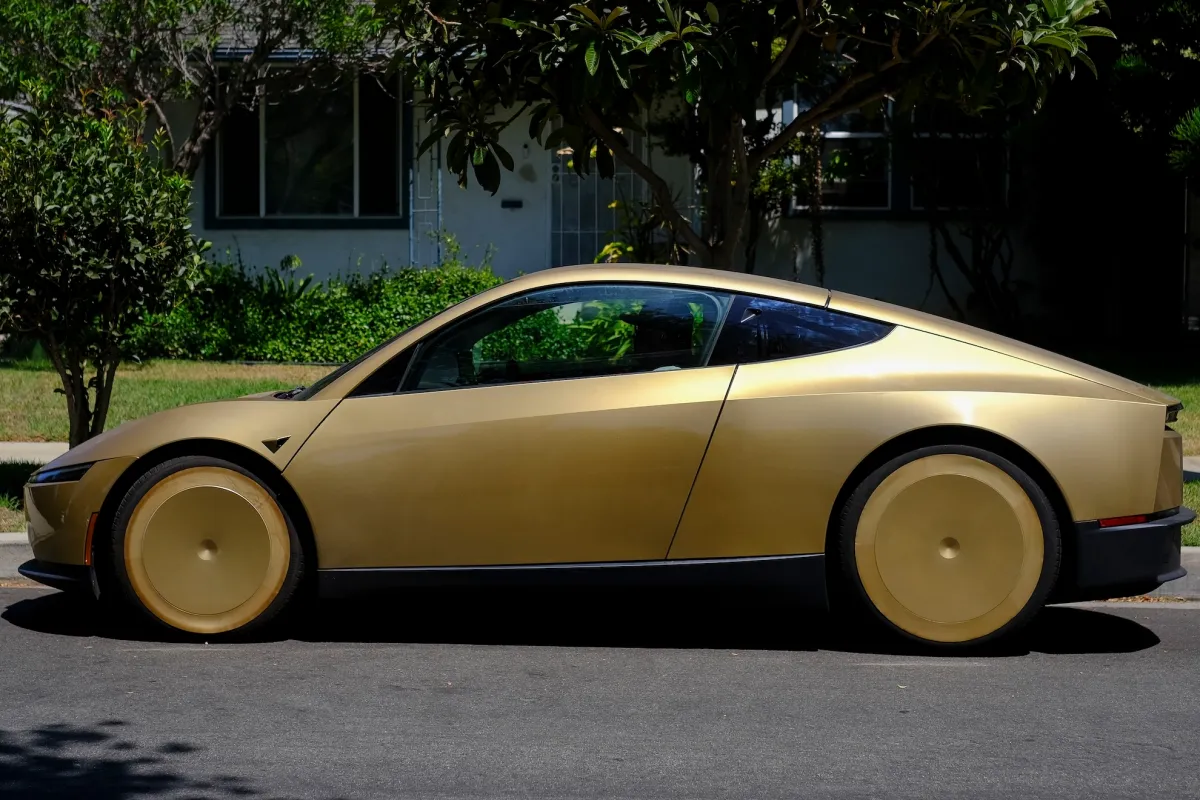
The launch of Tesla’s Cybercab robotaxi service in Austin has been overshadowed by a US safety investigation into the driverless vehicles, which have no steering wheel or pedals.
The National Highway Traffic Safety Administration (NHTSA) opened its inquiry just hours after the first Cybercabs took to the Texas city’s streets. The move has cast fresh doubt over Tesla’s ability to turn Elon Musk’s long-promised autonomous driving ambitions into a large-scale commercial operation.
Tesla has registered 45 Cybercabs in Texas, according to the state’s automated vehicle tracker. That remains a modest fleet compared with Waymo, the Alphabet-owned rival that already operates robotaxi services in several US cities.
The vehicles’ lack of manual controls is at the centre of the regulatory problem. Federal vehicle safety rules require cars to be fitted with equipment such as brake pedals, although the US Department of Transportation has proposed removing those requirements for vehicles designed to drive themselves.
Tesla opted to self-certify the Cybercab, following the route normally used by manufacturers bringing conventional cars to market. The NHTSA’s investigation could allow the company to continue operating while the issue is examined, but it creates an immediate legal and regulatory hurdle for the programme.
Tesla Cybercab launch faces questions over scale and safety
The company’s unveiling event in Austin also failed to generate the enthusiasm associated with previous Tesla launches. Trading sentiment was subdued, while Mr Musk’s absence was particularly notable given his repeated claims that robotics and artificial intelligence will determine Tesla’s future.
The event offered little evidence that Tesla is close to matching the scale of established autonomous vehicle operators. The key test will be whether it can run a robotaxi network safely and reliably beyond a tightly controlled demonstration.
Waymo had sought to underline the differences between its approach and Tesla’s in the run-up to the launch. It argued that fully autonomous vehicles require a combination of sensors, and warned that systems relying solely on end-to-end artificial intelligence were not yet safe enough.
Waymo has meanwhile begun opening its robotaxi service to the public in Denver, San Diego and Tampa. Zoox, another autonomous vehicle company, has expanded its commercial service in Las Vegas to include journeys to and from Harry Reid International Airport.
Tesla has published guidance for Cybercab users indicating that the vehicle is not intended for children. The company is also exploring the possibility of selling autonomous vehicles to fleet operators, a move that could allow it to expand beyond a service operated solely by Tesla.
The NHTSA inquiry leaves the Cybercab facing scrutiny at the moment Tesla is trying to convince investors that it is evolving from an electric carmaker into a robotics and autonomous transport company.
