


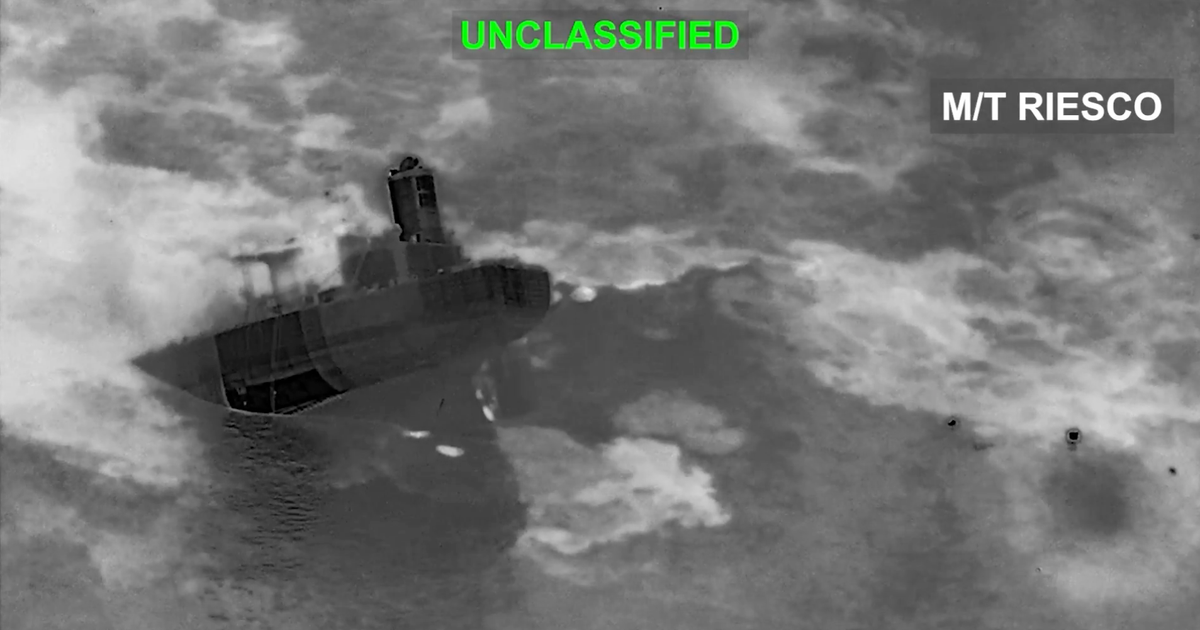
Iran fired 20 ballistic missiles towards Jordan on Wednesday, according to the Jordanian military, in retaliation for a US operation that destroyed five Iranian oil tankers and sharply escalated the conflict across the Middle East.
Jordan’s air defences intercepted 18 of the missiles, while two fell in unpopulated areas, the armed forces said. No casualties were reported, although specialist teams were sent to secure debris and shrapnel from the attack.
Iranian state media said the missiles were aimed at US targets in Jordan following the American strikes. US Central Command said it had no information to provide when asked whether an American air base had been targeted.
Jordan is a close US ally and hosts American military personnel, making its bases a potential target as Tehran and Washington exchange attacks. Iran’s Revolutionary Guard Navy also warned tanker crews near ports in Kuwait and Bahrain to leave their vessels, saying the ships could be hit in retaliation.
US strikes Iranian oil tankers
Central Command said it had destroyed five oil tankers linked to Iran’s Islamic Revolutionary Guard Corps after what it described as unsuccessful ballistic-missile attacks on a US warship over the previous two days.
Four vessels were struck in the Gulf of Oman and a fifth near Kharg Island, Iran’s main crude-export terminal in the Persian Gulf, according to the US military. American forces directed the crews to abandon ship before the vessels were rendered inoperable, CENTCOM said.
Washington alleged that the ships formed part of Iran’s so-called shadow fleet, which Tehran uses to export oil and generate revenue despite international sanctions. The latest operation followed US strikes on three Iranian oil tankers on September 5 after attacks on two American warships, according to CENTCOM.
The tanker strikes have prompted warnings of further retaliation from Iran and raised concerns about the security of commercial shipping in the Gulf. Tehran has effectively closed the Strait of Hormuz, a vital route for global energy supplies, forcing more oil traffic towards alternative routes.
Brent crude, the international oil benchmark, was trading above 99 US dollars a barrel on Wednesday. US crude rose 1.2 per cent to 94.17 dollars.
Before the conflict began in February, about a fifth of the world’s oil passed through the Strait of Hormuz. Traffic has since fallen sharply, with only brief and limited recoveries.
The violence has also spread southwards. Yemen’s Iran-backed Houthi movement said Saudi Arabia had carried out more than 30 strikes across several parts of Yemen, a day after Houthi attacks on Saudi targets injured dozens of people and temporarily disrupted oil facilities.
Saudi Arabia has not publicly commented on the latest Houthi claims. The Houthis said the fighting followed a renewed campaign to seize territory near the Bab al-Mandab Strait, another strategically important route for oil and commercial shipping.
