


Tourism officials are urging visitors to postpone trips to Kauai as the Hawaiian island begins a difficult recovery from Hurricane Lowell, which damaged hotels, roads and power infrastructure and caused major disruption at its main airport.
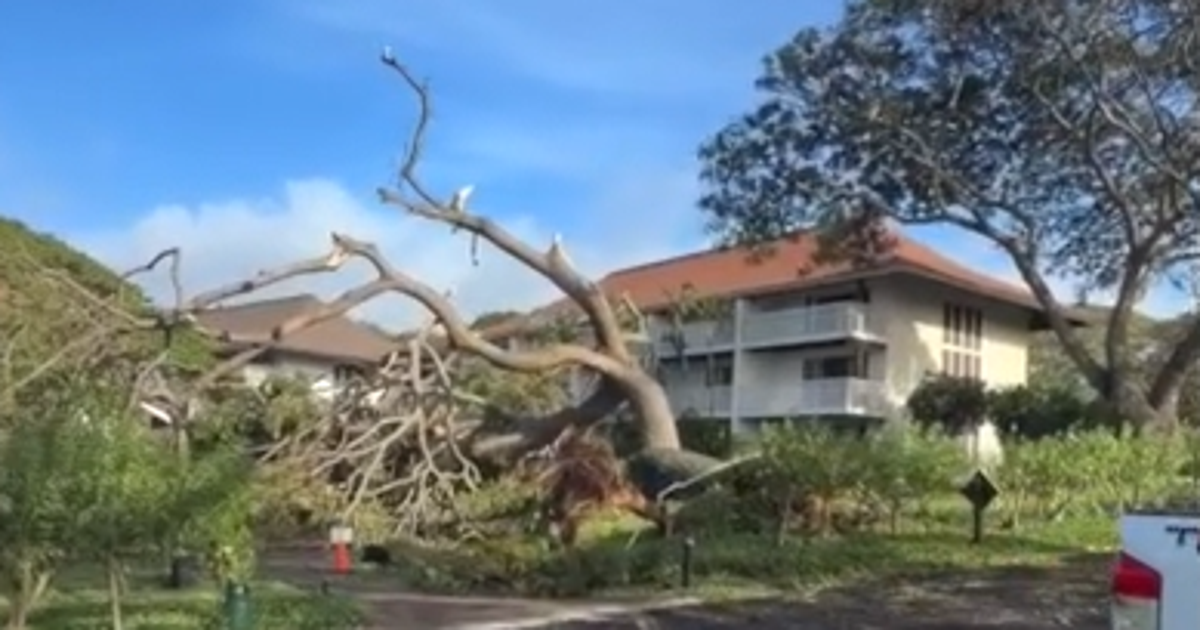
The storm brought hurricane-force winds, torrential rain and powerful waves to Kauai on Monday, September 7, leaving parts of the island without electricity and forcing authorities to close state parks because of flooding, storm surge and blocked access routes.
More than 36,000 customers — around 90 per cent of the local utility’s accounts — were without power at the height of the storm. Downed trees, utility poles and power lines were reported across the island, while crews continued clearing roads and assessing damage.
Hurricane Lowell damage disrupts Kauai travel
Lihue Airport was operating on a single backup generator after the storm damaged its second emergency unit. Security screening was reduced to one line, creating long queues, while airlines spaced out flights to allow passengers more time to get through the terminal.
Hawaii’s Department of Transportation said flights were continuing and that no cancellations were anticipated at the time of its latest update, although passengers faced delays caused by intermittent power failures and the need to reset screening equipment.
The National Weather Service recorded wind gusts of 84mph at Lihue Airport and up to 92mph at a higher-elevation site on Kauai. Some parts of the island also received more than 17 inches of rain during the storm.
State officials said all Kauai island parks remained closed because infrastructure had been severely affected and roads were still obstructed. Visitors were warned not to enter park areas because of the continuing risk of flash floods, storm surge and other hazards.
Caroline Anderson, interim president and chief executive of the Hawaii Tourism Authority, urged travellers to change their itineraries rather than abandon visits to the state altogether.
“Our hope is that visitors will adjust their travel plans instead of canceling their trip to Hawai‘i altogether,” she said. “Adjusting your itinerary allows you to continue your Hawaiʻi vacation while supporting the state’s broader visitor economy as Kauaʻi recovers.”
Kauai is one of Hawaii’s most popular destinations for its waterfalls, cliffs and tropical scenery, but tourism is also a major source of employment on the island. Officials are concerned that prolonged closures and travel disruption could deepen the economic impact of the storm on local businesses.
Hawaii Governor Josh Green has requested an expedited federal disaster declaration for Kauai and Maui counties. The request cited damage to roads, utilities, public buildings and other infrastructure, as well as the need for assistance with debris removal and emergency power.
Hurricane Lowell also damaged Kaumālapaʻu Harbor on Lanai, the island’s main commercial cargo facility, disrupting deliveries of food, fuel and other essential supplies. Officials said the harbour was expected to resume operations on Sunday, September 13, while further repairs continued.
