


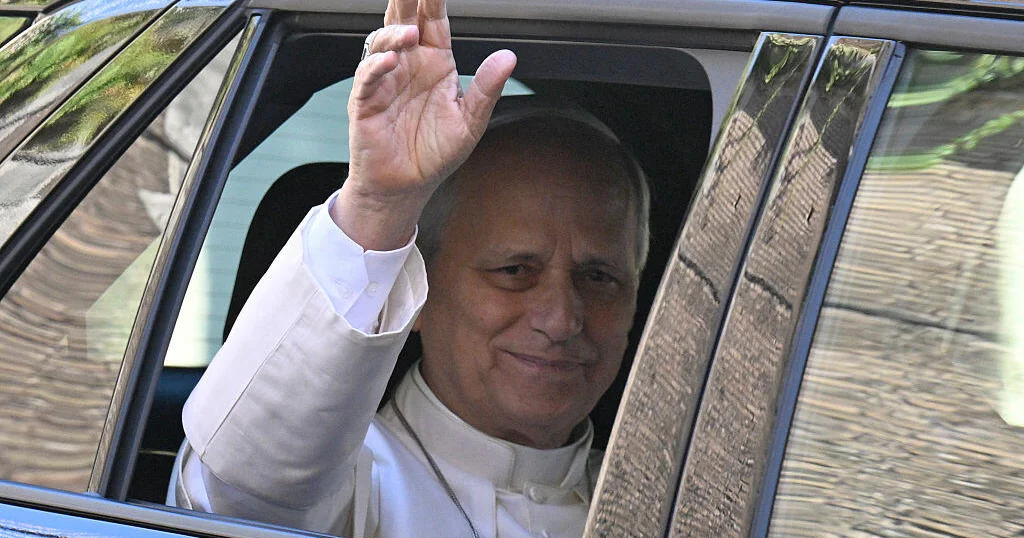
Pope Leo XIV is recovering after surgery to remove a lobe of his right lung, with doctors suggesting the procedure and early progress could indicate that his lung cancer was detected at an early stage.
The Holy See Press Office said blood tests and a chest X-ray showed a “normal post-operative course”, with results “within the expected range for the type of procedure performed”.
The operation removed what the Vatican and the Pope described as a localised nodular lesion. Leo was diagnosed with lung adenocarcinoma, a common form of non-small cell lung cancer.
What the surgery may mean for Pope Leo’s prognosis
Dr Kalvin Lung, a thoracic surgeon at Northwestern Medicine’s Canning Thoracic Institute, said the cancer generally had “a very good prognosis when found early on”. He added that the procedure was commonly performed and patients could recover quickly.
The Vatican has not disclosed the cancer’s stage or said whether it has spread. Doctors said that information would be important in deciding whether the Pope needs further treatment.
Dr Jon LaPook, chief medical correspondent, said the stage might not yet be known. However, the decision to operate promptly could suggest that doctors believed the cancer was confined to the lung.
“The fact that he can have a successful surgery so quickly is all a very good prognosticator of probably an early-stage lung cancer,” Dr Lung said.
If there had been evidence of cancer spreading elsewhere, Leo might have received chemotherapy or immunotherapy before surgery, Dr LaPook said. If the lesion has been fully removed and there is no further involvement, doctors said he may not require additional treatment.
Further tests will establish whether the cancer has reached the lymph nodes. Doctors may also examine its genetic characteristics and identify any markers that could be driving its growth.
Pope Leo XIV’s recovery after lung surgery
The Pope is expected to remain in hospital for a week, while recovery from the operation typically takes several weeks. The Holy See Press Office said he had undergone respiratory physiotherapy, begun walking around his room and resumed a regular diet.
Dr Lung said Leo could experience pain during the first few days and possibly for one to two weeks. Dr David Jones, chief of thoracic surgery at Memorial Sloan Kettering Cancer Center, said he might be able to return to his usual activities within three to four weeks, although he could be moving more slowly at first.
