


Donald Trump’s cost-of-living promises are facing growing scrutiny as American households contend with higher prices for many of the essentials he pledged to make cheaper. With the midterm elections less than a month away, frustration over the economy is being driven largely by the gap between campaign assurances and daily expenses.
Nine in 10 Americans say prices are the most important factor shaping their view of the economy, according to a recent poll. That concern persists despite solid economic growth and low unemployment.
Consumers are still dealing with the cumulative effect of five years of post-pandemic inflation. Economists say some of the pressure predates Mr Trump’s return to the White House, but his promises to reduce household costs raised expectations that prices would fall more quickly.
Several policies pursued by the administration have also added to inflationary pressure. Research from the Federal Reserve Bank of New York estimated that Mr Trump’s tariffs contributed 2.9 percentage points to inflation through February, saying goods prices would otherwise have declined.
The administration’s decision to attack Iran in February has contributed to a prolonged conflict that disrupted oil shipments and pushed up the cost of oil, petrol and diesel.
“It’s undeniable that several of these supply shocks that the US economy has been navigating through come from policy decisions made by the administration — namely, decisions to intervene in Iran and decisions to impose tariffs,” said Greg Daco, chief economist at EY-Parthenon.
Inflation was forecast to have risen at an annual rate of 3.6 per cent in September, up from 3.4 per cent in August and well above the Federal Reserve’s 2 per cent target.
Ryan Bourne, an economist at the Cato Institute, said consumers compared today’s prices with what they paid four or five years ago and were “still shocked by it”. As a result, he said, many believed the economy was performing “very, very badly”.
The White House said Mr Trump’s agenda had “stopped Biden’s inflation crisis” while creating jobs and economic growth. Spokeswoman Taylor Rogers said the administration’s policies would continue to deliver economic gains over the next two years.
She cited tax cuts, lower prescription drug costs, more than one million private-sector jobs, nearly 20 trade deals and record-high 401(k) balances as evidence of progress for American families.
Food and fuel prices remain high
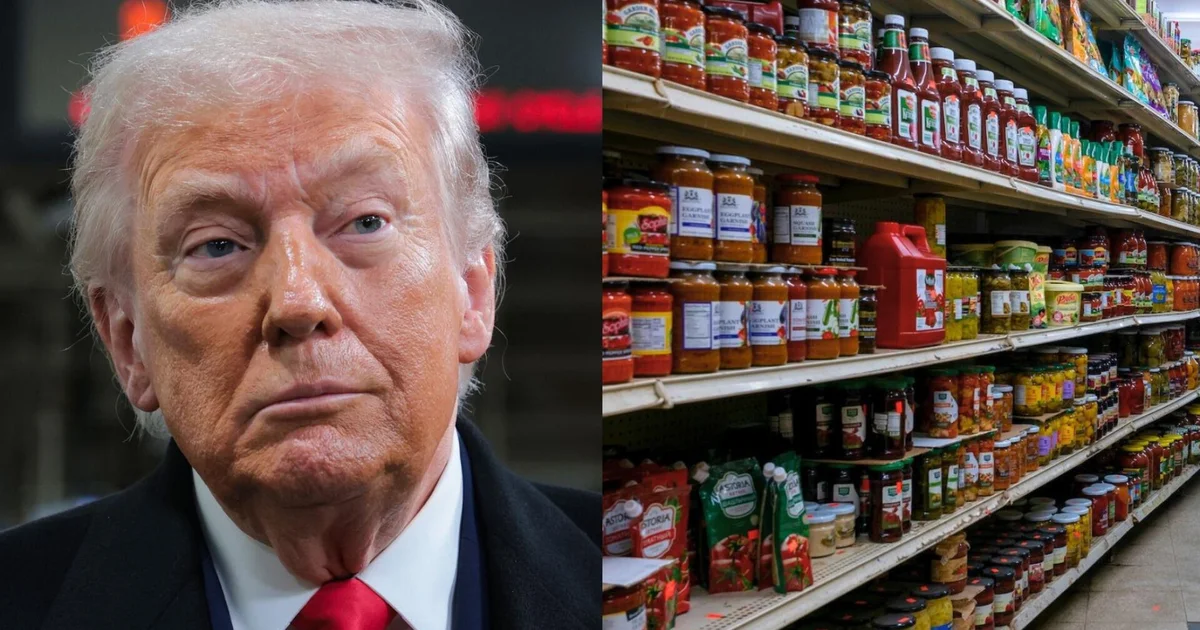
Mr Trump told voters during the 2024 campaign: “A vote for Trump means your groceries will be cheaper.” But the cost of food prepared at home has risen by 4 per cent since November 2024, on top of a 23 per cent increase during the previous four years.
Economists said food costs were being pushed higher by the cost of petrol and diesel used in farming and transport, as well as by tariffs. Each supermarket visit has become a reminder of the accumulated rise in prices, said Mr Daco.
Mr Trump also promised to bring petrol below $2 a gallon. Instead, the national average reached $4.37 a gallon on October 9, up 47 per cent from $2.98 on February 27, the day before the war began.
Diesel reached a record $6.53 a gallon on September 22 and was around $6.28. Because it is widely used in trucking, agriculture and construction, its price affects the cost of goods ranging from groceries to building materials.
Electricity bills rose by 12.5 per cent between December 2024 and July this year, while average monthly residential natural gas prices more than doubled over the same period. A report from advocacy groups said the average US utility bill reached $280 a month in early 2026, 12 per cent higher than at the end of 2024.
Mortgage rates and borrowing costs
Mr Trump pledged to bring mortgage rates down to 2 per cent. The average rate on a conventional 30-year mortgage now stands at 7.28 per cent, compared with 7.04 per cent when he took office in January 2025.
The median listed home price rose from $392,967 when Mr Trump took office to $408,333 in August. The income needed to afford a home reached $126,487, compared with a median US income of $86,490, the widest gap recorded since 2005.
His campaign proposal to cap credit card interest rates at 10 per cent has also failed to take effect. The average rate across commercial bank credit card accounts is 20.94 per cent, only slightly below the 21.58 per cent recorded when he returned to office.
Ted Rossman, a consumer finance analyst at Money Management International, said a 10 per cent cap could reduce access to credit because banks might no longer consider lending profitable.
Mixed results for insurance and healthcare
Car insurance is one area where consumers have seen some relief. Premiums have fallen by 5.5 per cent since reaching a recent high in February, although they remain elevated after sharp increases in the cost of new and used vehicles.
Yelena Shulyatyeva, senior US economist at the Conference Board, attributed the fall to greater competition in the insurance industry and pressure from consumers, rather than government action.
Costs for Affordable Care Act health plans have moved sharply in the opposite direction. Average monthly premiums have risen to $178, or $2,136 a year, up 58 per cent from 2025, while average deductibles increased from $1,027 to $3,786.
The increases followed the expiry of a tax subsidy intended to reduce the cost of plans. The Trump administration began sending $500 payments in September to almost one million participants in 30 states.
Prescription drug prices have fallen by 3.9 per cent since peaking in February 2025. The White House has credited Mr Trump’s policies, including an approach linking US prices to those paid in other developed countries, while experts have also pointed to increased competition among manufacturers and the wider availability of generic medicines.
Air fares have eased from their spring peak but remain 17 per cent higher than in January 2025. Analysts said the conflict in Iran had disrupted oil supplies and increased jet fuel costs, while the shutdown of budget carrier Spirit Airlines was another factor behind higher fares.
The figures leave Mr Trump with a mixed record on the prices he promised to cut, as voters prepare to judge the economy against the cost of the goods and services they buy most often.
