


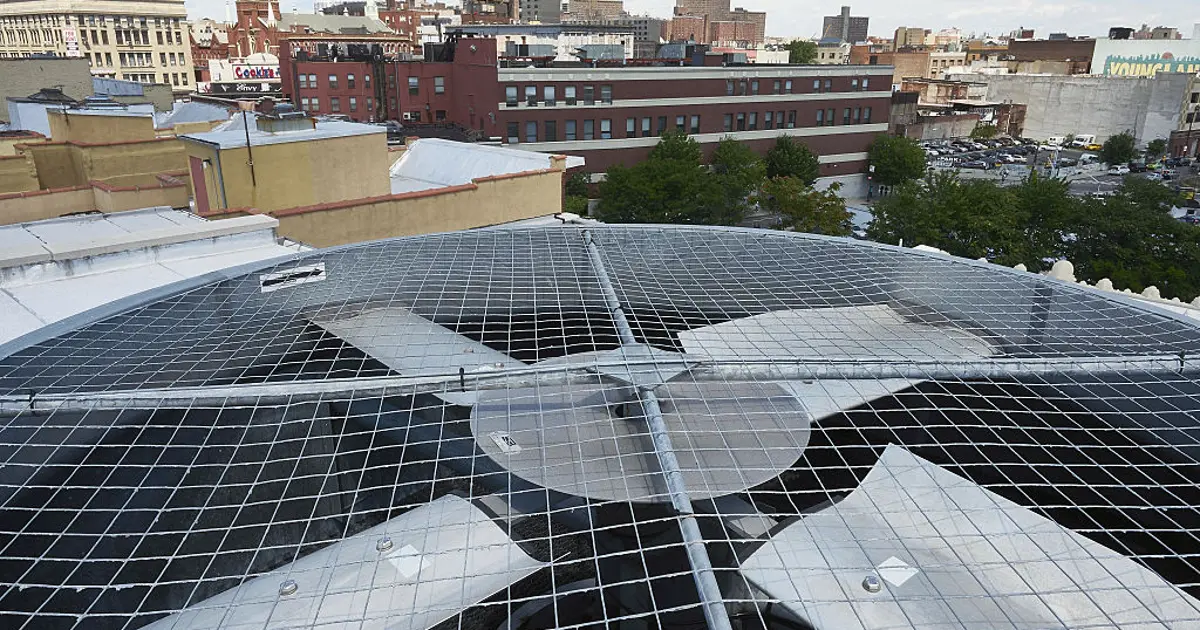
New York City health officials have ordered 10 cooling towers in the South Bronx to be drained, cleaned and disinfected after preliminary testing found Legionella bacteria in the systems amid a cluster of Legionnaires’ disease.
The order covers cooling towers in the Melrose and Morrisania neighbourhoods, within ZIP codes 10451 and 10456. Nine people have been diagnosed, three of whom remain in hospital, while one person has died.
Health inspectors detected Legionella DNA in 10 of 24 cooling towers tested in the area. However, polymerase chain reaction testing cannot establish whether the bacteria are alive, so officials are carrying out culture tests, with results expected to take up to two weeks.
The city has required the affected systems to undergo full remediation by Monday, including draining, cleaning and disinfection, rather than waiting for the culture results. The measure is intended to reduce any potential risk from contaminated mist released by cooling towers.
The towers are at 820 Concourse Village West, 234 East 149th Street, 1 East 161st Street, 470 East 161st Street, 1265 Franklin Avenue, 567 Melrose Avenue, 3339 Park Avenue, 1160 Teller Avenue, 890 Washington Avenue and 1085 Washington Avenue.
Eight of the locations had complied with New York City’s requirement for Legionella testing at intervals of no more than 31 days. The owners of the towers at 820 Concourse Village West and 1265 Franklin Avenue had not provided the required testing information, officials said.
The new cluster was first announced by the New York City Health Department on September 10, when five cases and one death had been reported. The department said it was contacting residents, workers and visitors who had been in the affected area since late August.
Legionnaires’ disease is a severe form of pneumonia caused by breathing in airborne droplets containing Legionella bacteria. It is not spread from person to person, and officials have said that drinking tap water, showering, using air conditioning and being inside the affected buildings remain safe.
Anyone who has lived in, worked in or visited the area since late August and develops flu-like symptoms, including fever, cough or difficulty breathing, has been advised to seek medical attention promptly. People aged 50 and over, smokers and those with chronic lung conditions or weakened immune systems face a higher risk of serious illness.
