


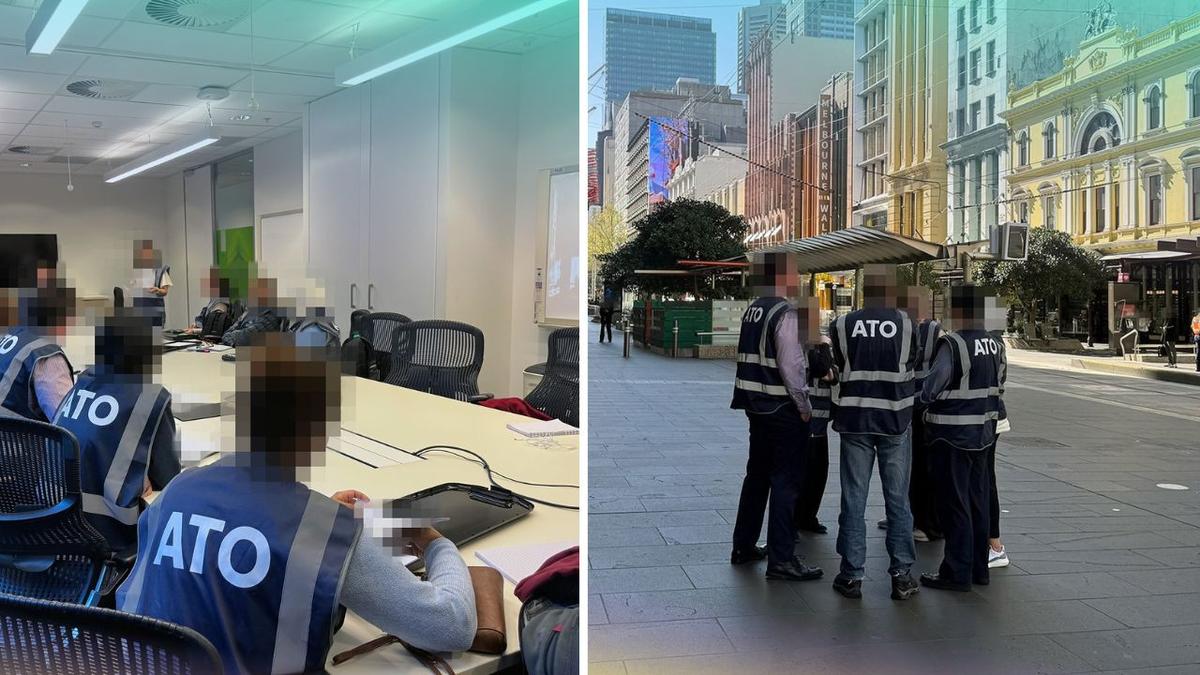
More than 25 restaurants, cafés and fast-food outlets in Melbourne’s central business district have received surprise visits from Australia’s tax office amid an investigation into suspected activity in the country’s $80 billion shadow economy.
The Australian Taxation Office (ATO) carried out the inspections on 22 and 23 September after receiving community tip-offs about alleged cash-in-hand payments, poor record-keeping and unpaid superannuation entitlements.
The businesses involved have not been named, and the ATO said its investigations were continuing.
Tony Goding, an assistant commissioner at the ATO, said the agency would compare the apparent activity at venues with what was recorded in their books.
“Melbourne diners know a busy café when they see one — so do we,” he said.
“When a venue is packed, staff are flat out and the coffee machine never stops, but the books tell a different story, that’s something we’re going to take a closer look at.
“In a city where competition is fierce, some operators can be tempted to look for shortcuts to boost profits.”
ATO investigates reports of shadow economy activity
The shadow economy covers economic activity that is not reported and taxed. It is estimated to have exceeded $80 billion in Australia in 2025, having doubled over the past decade.
Takeaway businesses, cafés, restaurants, pubs, taverns, bars and catering services generated more than 2,500 reports about alleged off-the-books activity during the 2025-26 financial year.
Across Australia, more than 52,000 tip-offs were made in the same period about suspected tax evasion, unpaid superannuation and other shadow economy activity. Building and construction firms, cafés and restaurants, and hairdressing and beauty businesses were the industries most frequently identified.
The ATO said reports were checked against its own data and intelligence and shared with partner agencies through the Shadow Economy Taskforce. More than 83 per cent of reports received last financial year were considered suitable for further review.
“Aussies know when something doesn’t seem right, and they’re increasingly calling it out when they see someone trying to gain an unfair advantage by operating in the shadows,” Mr Goding said.
“Much of our most valuable intelligence comes directly from community tip-offs. Often, it’s a worker, customer or competitor who recognises something that doesn’t seem right.”
More than 360,000 tip-offs about suspected tax evasion and other alleged wrongdoing have been made since mid-2019.
Over the past two years, the ATO has prosecuted more than 350 individuals and entities for non-lodgement shadow economy activity, resulting in fines exceeding $2.7 million.
