


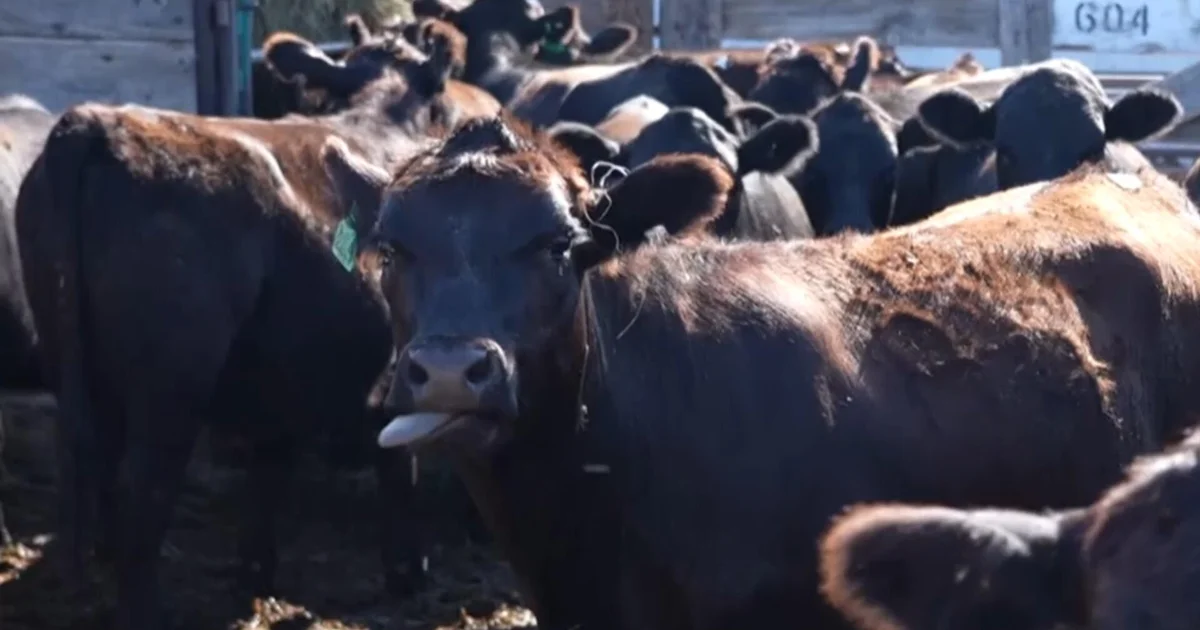
Record beef prices in the United States are being driven by a shrinking cattle supply, as ranchers in Wyoming contend with drought, rising operating costs and the pressure to reduce the size of their herds.
The US Department of Agriculture said there were 86.7 million cattle and calves on farms on 1 January 2025. The number of beef cows stood at 27.9 million, down 1% from the previous year, while the calf crop also fell slightly.
For consumers, the squeeze is being felt at the checkout. The average price of uncooked minced beef reached almost $7 a pound, up from $2.93 in 2021, according to federal figures.
Wyoming ranchers face drought and soaring costs
In Wyoming, prolonged dry conditions have reduced the pasture available for grazing and forced some producers to buy or transport feed. Higher diesel, fertiliser and other input costs have added to the strain.
Mark Eisele, who raises about 1,500 cattle outside Cheyenne, said the value of his animals fell by 10% overnight after the US administration announced plans to allow more imported beef into the country.
“If that was in any other market, it would be earth-shattering. We’re going to have to absorb that,” he told CBS News.
Some ranchers have been forced to sell cattle they had intended to keep for breeding. Lander Nicodemus, who runs Torrington Livestock Markets, said producers had faced difficult decisions as the economics of keeping larger herds deteriorated.
“It’s been a year that I hope we never do it again,” he said. “Guys were forced to make some really tough decisions this year and sell cattle that they didn’t want to.”
The supply problem is unlikely to be resolved quickly. Even if ranchers begin rebuilding their herds, calves typically take between 15 and 24 months to reach slaughter weight, while restoring pasture and securing affordable feed can take longer.
University of Wyoming agricultural economist Chris Bastian said increased imports would represent only a small share of US consumption and might do little to reduce prices. He warned that uncertainty could instead discourage ranchers from investing in new breeding stock, prolonging tight supplies.
