


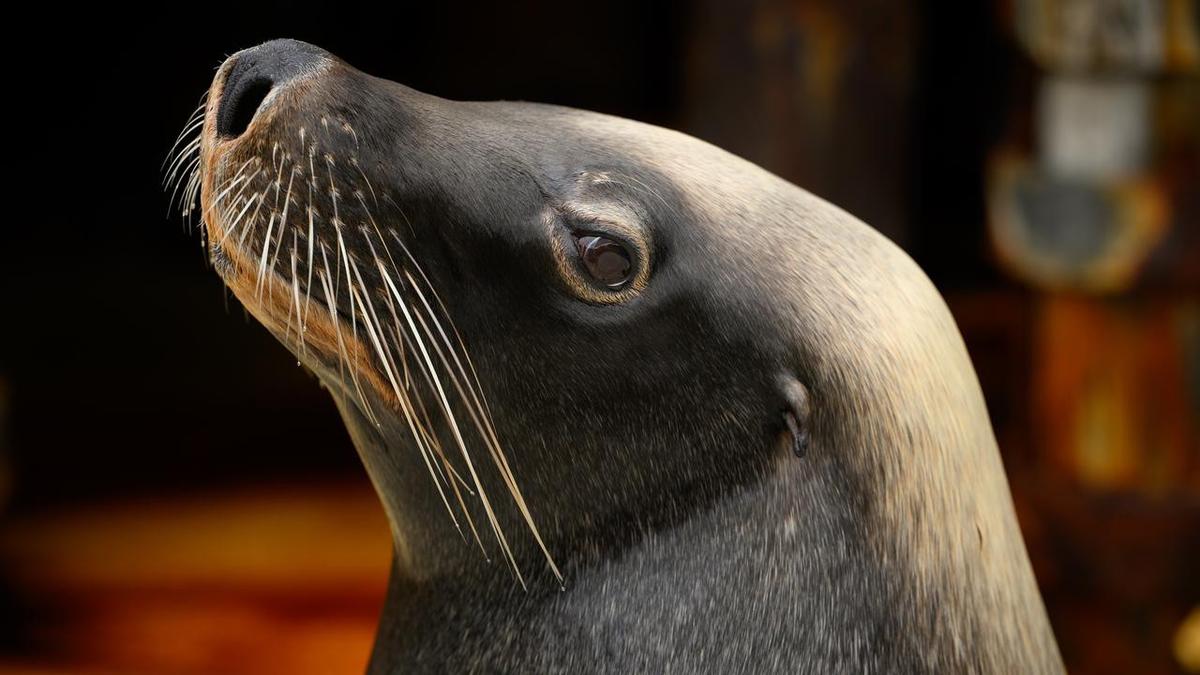
Bird flu has been detected in an Australian sea lion for the first time, prompting concern for the endangered species at South Australia’s Seal Bay on Kangaroo Island.
Authorities confirmed on Sunday that the sea lion had tested positive for the highly transmissible disease. It had also suffered a shark attack and may have been more vulnerable while recovering.
South Australian Environment Minister Emily Bourke said the animal had died from bird flu rather than its injuries.
“We found that it was actually not the shark attack that killed the sea lion; it was the bird flu case,” she told reporters.
Australian sea lions are the country’s rarest seal species, with an estimated population of between 10,000 and 12,000. More than 80 per cent are found in South Australia, while the population on Kangaroo Island was already declining by about 2 per cent a year before the virus was detected.
Ms Bourke said the impact of bird flu on seal and sea lion colonies in other parts of the world had been devastating, with some populations recording falls in pup numbers of up to 95 per cent.
“We know that this is going to be not the first and only case in our sea lions,” she said.
Authorities take steps to protect sea lions
Authorities have trapped hundreds of feral cats around Seal Bay in an effort to prevent them contributing to the spread of the virus.
There are currently no approved bird flu vaccines for mammals. Instead, more than 400 seal pups have been vaccinated against hookworm to improve their ability to withstand infections.
“We just want to take our make our seals as resilient as possible,” Ms Bourke said.
A long-nosed fur seal that died from the virus at nearby Pages Conservation Park in August was Australia’s first recorded case of bird flu in a mammal.
South Australia would be willing to take part in trials of experimental vaccines if they are approved by the federal government, Ms Bourke said. A trial involving monk seals in Hawaii had been recorded as successful.
“We are obviously willing and able and ready to participate in a vaccine program if it can be approved at a national level,” she said.
South Australia has recorded 290 confirmed cases of bird flu since the start of the year, accounting for more than half of the 521 cases recorded across the country.
