


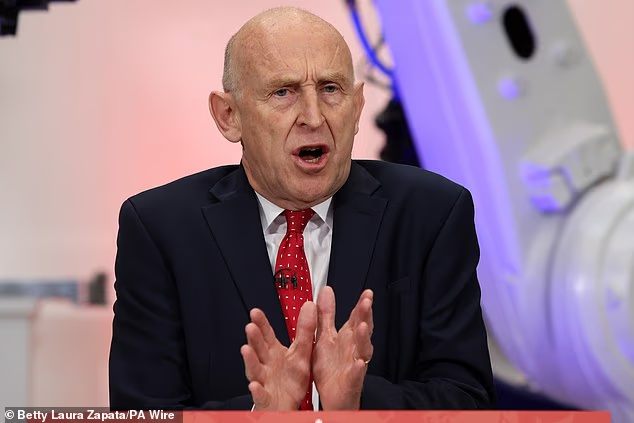
Labour MPs are urging John Healey to introduce a proportional property tax at the Budget, a move that would raise annual bills for many homeowners in London and the South East while reducing them in other parts of the country.
The proposed system would replace council tax and stamp duty with an annual charge based on property value. Campaigners Fairer Share have suggested a rate of 0.48 per cent on all homes.
Under the proposal, the average annual bill for a property in the North East would be about £748, compared with £1,824 for an equivalent home in the South East.
Fairer Share said the reform would cut bills for 77 per cent of households, with average savings of around £550. It also claimed low- and middle-income households could otherwise face a £900 increase in council tax bills over the next decade.
Labour MPs back property tax reform
Several Labour MPs representing constituencies in the North have called for the plan, arguing that the existing property tax system needs a fundamental overhaul.
Luke Myer, Labour MP for Middlesbrough South and East Cleveland, said council tax was “crying out for reform”. Jonathan Hinder, MP for Pendle and Clitheroe, described the property tax system as “broken” and said: “Now is the time to be bold and grasp the nettle.”
Jonathan Brash, the Labour MP for Hartlepool, said a proportional property tax would “end the postcode lottery, make the system fairer and put money back into the pockets of struggling households, giving our high streets a much-needed boost too”.
Andy Burnham has previously backed a tax based on land value, although he has played down the idea since becoming Prime Minister. His Labour MPs are now pressing him to reconsider.
Fairer Share also pointed to polling by JL Partners which found that Labour voters supported a new tax on property values by more than six to one. Green voters backed the proposal by more than nine to one, while Reform voters supported it by more than three to one and Conservative voters by two to one.
The campaign group said the policy could bring political benefits for Labour, claiming the polling suggested it would make supporters of all five parties more likely to consider voting for Mr Burnham’s party.
