


Fears of a fresh regional war mounted on Wednesday after the United States and Iran traded their heaviest attacks since July, with US forces striking Iran’s southern coast and Tehran launching missiles and drones at American positions across the Middle East.
President Donald Trump warned that Washington was ready to carry out further attacks, describing the latest US operation as “very heavy”. Iran’s military command responded by threatening “heavier, more widespread, and devastating responses” against American forces and countries hosting them.
The US Central Command said its forces had struck Islamic Revolutionary Guard Corps targets, including air-defence sites, radar systems, maritime facilities, mine-laying capabilities and communications installations. It said the operation followed attempted attacks on commercial shipping in the Strait of Hormuz and against American personnel.
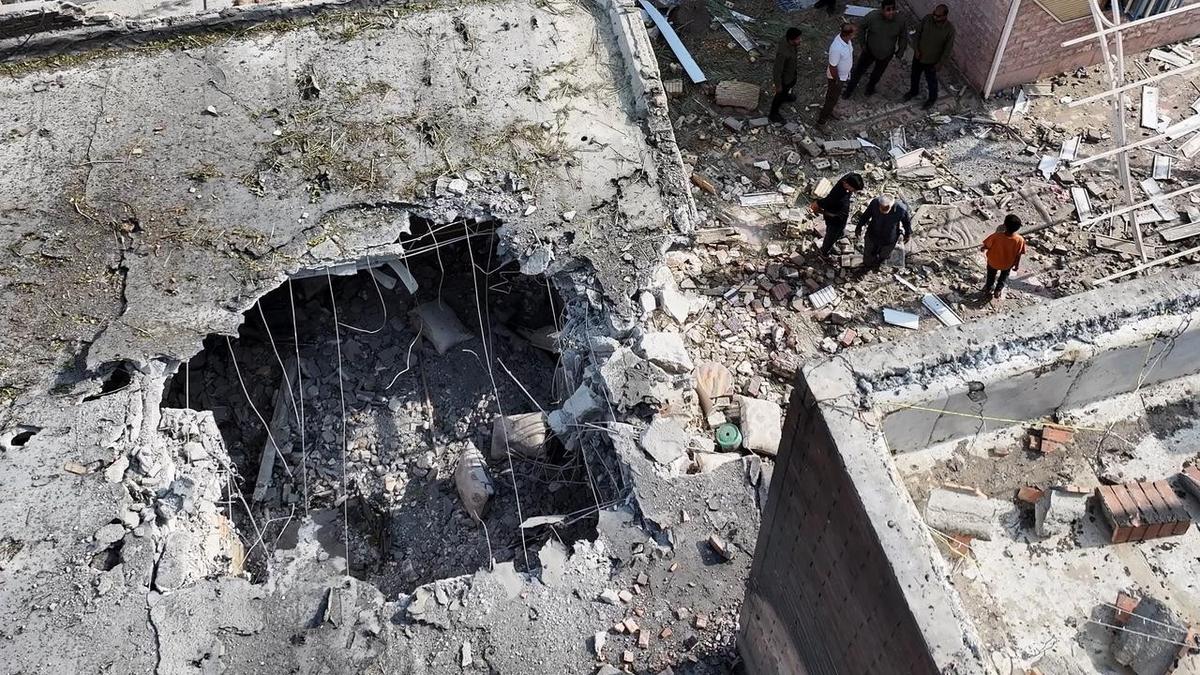
Iran reported explosions and damage near several locations along the strategic waterway, including the coastal town of Sirik, where it alleged that a US strike hit a house hosting a wedding celebration.
Iranian state media initially reported that four people, including a four-year-old child, had been killed and at least 68 wounded at the gathering. The country’s health minister later put the total casualties from the latest wave of US strikes at 18 dead and 108 injured.
The claims could not be independently verified. US Central Command spokesman Captain Tim Hawkins said the military was aware of reports originating from Iranian state media and was examining them, while insisting that the US did not target civilians.
Associated Press reporting on images of debris from the scene found fragments consistent with an American air-delivered guided weapon, although analysts said the precise type could not be confirmed. CENTCOM declined to comment on the assessment.
Iran attacks US positions across the region
Tehran said it had targeted US assets in Bahrain, Jordan, Kuwait and Iraq as part of an effort to force American troops out of their network of military bases in the region.
Iran claimed to have killed US personnel in Jordan and at a base in northern Iraq, but American officials said initial assessments found no casualties. In Kuwait, Iranian forces said they had attacked Ali Al Salem air base and a residential complex used by a US commander. Kuwait’s fire service reported extinguishing a fire at a residential compound hit by a drone.
Bahrain said its forces had intercepted and destroyed Iranian drones. Qatar, which hosts the largest US air base in the Gulf, condemned the attacks on neighbouring states and held Iran “fully and legally responsible” for their consequences.
Qatar’s foreign ministry described the strikes on Jordan, Bahrain and Kuwait as a dangerous escalation that risked undermining diplomatic efforts. It called for an immediate halt to military action and a return to negotiations.
Iran also said two tankers had been struck by mines while being guided through the Strait of Hormuz by US personnel. Washington said it was continuing to escort vessels through the waterway, with Energy Secretary Chris Wright reporting that more than 17 million barrels of oil had passed out of the strait on Monday.
Trump repeated his assertion that the waterway remained open, despite the disruption to shipping. Before the conflict, it carried about a fifth of the world’s oil and liquefied natural gas shipments. Iran has since blacklisted 11 more vessels, bringing the number of ships it says could face fines, seizure or detention to 56.
The latest exchange threatens to deepen a conflict that began with the launch of the US-led “Operation Epic Fury” in February. Washington says it has severely weakened Iran’s conventional military forces and damaged its economy, but the operation has not achieved Trump’s stated aims of ending Iran’s nuclear programme, limiting its ability to strike neighbours and creating conditions for the removal of its rulers.
The fighting has also disrupted energy supplies and intensified political pressure on the White House. Polling cited by Reuters showed that Americans opposed the war by more than two to one ahead of November’s congressional elections, while sources said Trump’s advisers were seeking to prevent the conflict from becoming a dominant issue at home.
