


Google is seeking licensing deals with major Hollywood studios that would allow it to train artificial intelligence models on copyrighted film and television material, offering payments that could reach hundreds of millions of dollars, according to reports.
The company has approached representatives of Disney, Warner Bros Discovery and Universal, although none is understood to have formally agreed to a deal. The proposals, reported by the Los Angeles Times, would give Google access to extensive entertainment libraries as it competes to expand its position in generative AI.
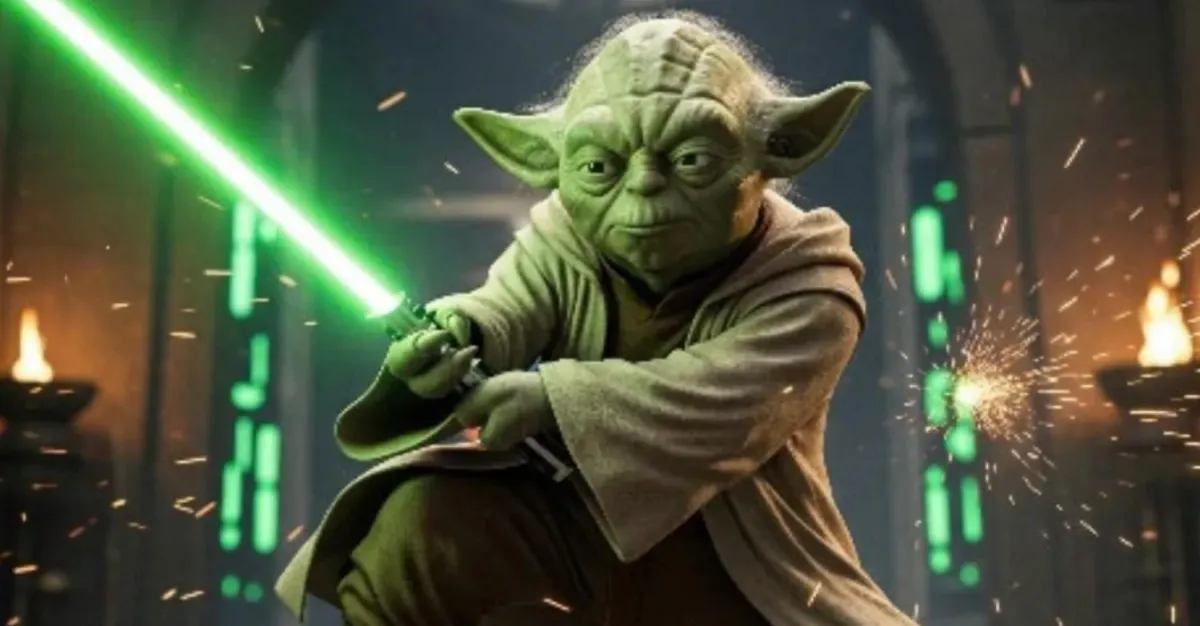
Under one reported arrangement, Disney or Pixar could receive about $40 million for rights connected to generating content featuring a single copyrighted character. The value of a licence could rise into the billions if it covered a large number of characters, while studios could potentially receive a share of advertising revenue from AI-generated material shown on services such as YouTube.
For Google, the attraction extends beyond access to well-known intellectual property. Its Gemini systems producing officially licensed versions of characters such as Darth Vader or Snow White could help present generative AI as a more familiar and entertaining technology to a wider audience.
The approach also comes as the AI industry faces growing public unease over copyright, job losses and the wider impact of rapidly advancing technology. A formal relationship with a major film studio would allow Google to associate its tools with trusted entertainment brands and signal that Hollywood considers the technology commercially viable.
Hollywood weighs the risks of Google’s AI proposals
Studios, however, would be taking on risks of their own. Licensing their libraries could encourage wider use of AI across film and television production, potentially reducing costs and shortening schedules but also threatening jobs among performers, writers, artists and other production staff.
Shareholders may welcome the prospect of making more content for less money, but any move by a leading studio could put pressure on competitors to follow. Lionsgate, which is smaller than the companies Google has approached, agreed a licensing partnership with AI firm Runway in 2024. The companies have said they are working towards AI-generated short films, although no finished project has yet emerged.
A deal could also expose studios to a backlash from audiences who object to undisclosed or prominent use of generative AI. Fans reacted negatively after AI-generated images appeared in official artwork associated with Spider-Man: Brand New Day, illustrating the sensitivity around using the technology in major entertainment franchises.
Disney had previously been linked to plans with OpenAI that would have involved user-generated AI content, but that proposed partnership collapsed. The company has not publicly committed to Google’s reported licensing approach.
Google’s DeepMind division has separately agreed to invest $75 million in film distributor and production company A24, underlining the technology sector’s interest in closer ties with Hollywood. Yet the studios must decide whether the immediate financial gains from licensing their intellectual property outweigh the risk of alienating workers and viewers.
No major Hollywood studio has so far publicly endorsed Google’s reported plan. For the technology company, securing even one landmark agreement could provide valuable training material and a powerful public demonstration; for the studios, it could determine how quickly generative AI becomes embedded in mainstream entertainment.
