


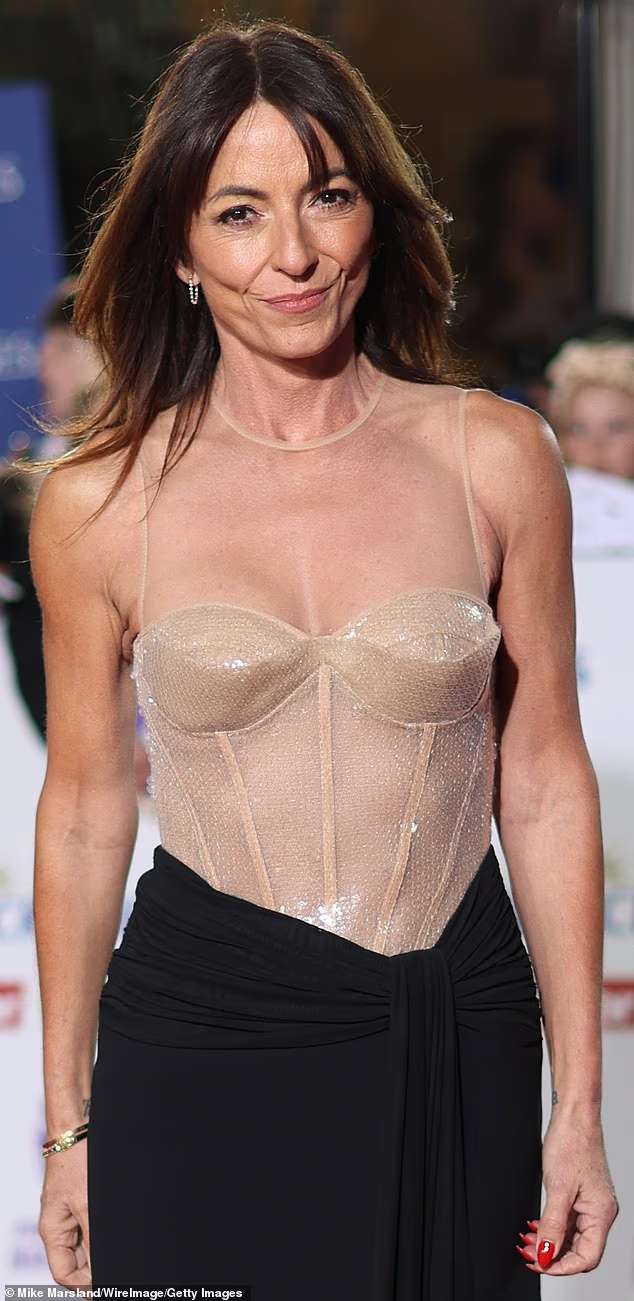
Davina McCall has revealed that she has cardiovascular disease, drawing attention to the often-overlooked risk of heart disease among women after the menopause.
The 59-year-old television presenter said on her podcast, Begin Again, that she had experienced high cholesterol for “quite a long time”. Her disclosure comes after she has spoken publicly about the menopause, a brain tumour and breast cancer treatment in the hope that her experiences might help others.
Cardiovascular disease covers conditions affecting the heart and blood vessels. Its main forms include coronary heart disease, stroke, peripheral arterial disease and diseases of the aorta.
Together, these conditions cause about a quarter of all deaths in the UK – roughly 170,000 each year. More than eight million people in Britain are living with cardiovascular disease, including more than four million women.
Coronary heart disease kills more than twice as many women as breast cancer in the UK, yet heart attacks are still widely viewed as primarily a male health problem.
Research funded by the British Heart Foundation has found that women are 50 per cent more likely than men to receive the wrong initial diagnosis when suffering a heart attack. Women can also wait longer before seeking help.
Why the risk rises after the menopause
Before the menopause, oestrogen provides some protection by helping blood vessels remain supple and assisting with cholesterol control. As oestrogen levels fall, that protection is reduced.
Research tracking women through the menopause has found that levels of LDL, commonly known as bad cholesterol, rise sharply around the time of a woman’s final period.
High blood pressure and high cholesterol usually cause no symptoms, meaning cardiovascular disease may remain undetected until a serious problem occurs.
Chest pain or tightness are the most common signs of a heart attack, but other symptoms can include breathlessness, nausea, sweating, light-headedness and pain spreading to the arm, jaw, neck or back.
Angina – discomfort in the chest that develops during exertion and eases with rest – can be a warning that the arteries are narrowing. Unusual breathlessness or exhaustion during activities that were previously manageable can also indicate a problem.
Untreated cardiovascular disease can lead to heart attack, stroke, heart failure and vascular dementia. However, much of the risk can be changed, particularly when action is taken early.
How women can reduce their cardiovascular risk
A Mediterranean-style diet, including vegetables, pulses, wholegrains, oily fish, olive oil, nuts and seeds, is recommended. Cutting back on saturated fat in processed meat, pastries and cheese, reducing salt and eating plenty of fibre can also help lower cholesterol.
Adults are advised to aim for at least 150 minutes of moderate activity each week, alongside strength exercises twice a week. Sleep, weight around the waist, smoking and alcohol intake are also relevant to heart health.
People aged between 40 and 74 who do not already have a heart condition are entitled to a free NHS Health Check every five years. Those who have not been invited can ask their GP surgery or pharmacy, and should mention if a close relative had heart disease or a stroke before the age of 60.
People with a cardiovascular risk of 10 per cent or more will usually be offered a statin. Anyone experiencing chest pain or other symptoms of a heart attack should call 999 rather than waiting to see if they pass.
