


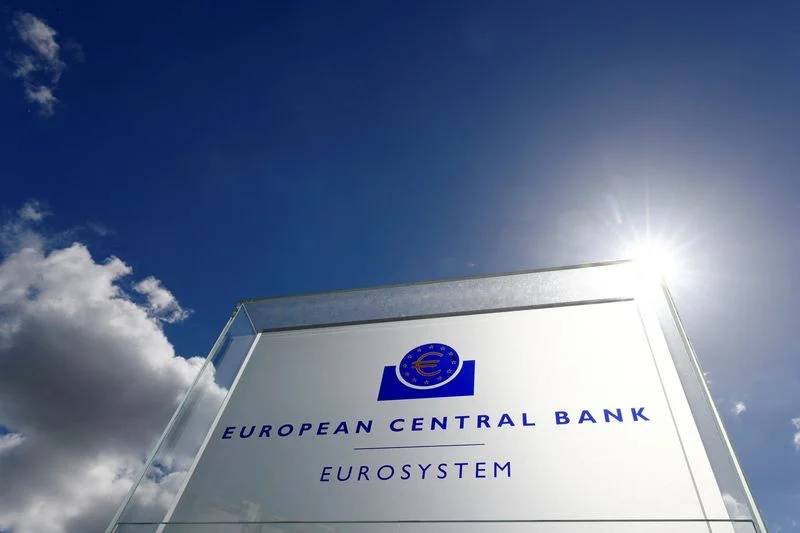
The European Central Bank is expected to raise interest rates on Thursday as the conflict involving Iran drives energy prices higher and threatens to prolong inflation across the eurozone.
Economists widely expect the ECB to lift its policy rate to 2.5 per cent from 2.25 per cent at its meeting in Berlin on 10 September. The decision would mark the second increase this year, after policymakers were confronted with renewed pressure from oil and gas markets.
Military strikes involving the United States and Iran since the end of August have disrupted shipping and energy infrastructure, sending Brent crude above $100 a barrel. The jump has intensified concern that higher fuel costs will feed through into transport, household bills and business prices.
Official figures published by Eurostat showed eurozone inflation rising to an estimated 3.3 per cent in August, up from 2.9 per cent in July. Energy prices rose by 14.3 per cent over the year, making them the largest contributor to the acceleration.
ECB president Christine Lagarde and her fellow policymakers are expected to leave open the possibility of further increases if price pressures continue to build. Financial markets are already pricing in two or three additional hikes by the end of next year.
The central bank’s latest meeting comes against a mixed economic backdrop. The eurozone economy grew by 0.6 per cent in the second quarter, according to Eurostat, while bank lending accelerated in July, suggesting that activity has remained more resilient than many had expected.
That resilience could give the ECB greater scope to tighten monetary policy. At the same time, higher long-term bond yields, concerns over government borrowing and increased corporate debt issuance have already pushed up financing costs across the region.
The bank is also expected to revise its growth forecasts for this year and potentially 2027. However, it may delay its expectation that inflation will return to its two per cent target, particularly because the latest surge in energy prices occurred too late to be fully reflected in its new projections.
Underlying price pressures have so far been less severe. Core inflation, which excludes energy and food, eased to 2.4 per cent last month, while surveys indicated that consumers had reduced their expectations for future price rises and wage growth had moderated.
Analysts have nevertheless warned that pressure may be accumulating beneath the headline figures. Rising prices for core goods and a sharp increase in producer prices could provide a higher base for the effects of the Middle East conflict to spread through the economy in the months ahead.
The ECB’s interest-rate decision is due to be published at 2.15pm Central European time on Thursday, followed by a press conference with Ms Lagarde. The bank’s updated economic projections will be released later that afternoon.
