


Australia’s Labor government is preparing tougher internet laws that could expose major technology companies to fines of up to A$99 million (£50 million), while prompting accusations that ministers are seeking to expand state control over what Australians can access online.
The proposed legislation would strengthen the powers of the eSafety Commissioner to investigate whether social media platforms are taking reasonable steps to prevent children under 16 from holding accounts.
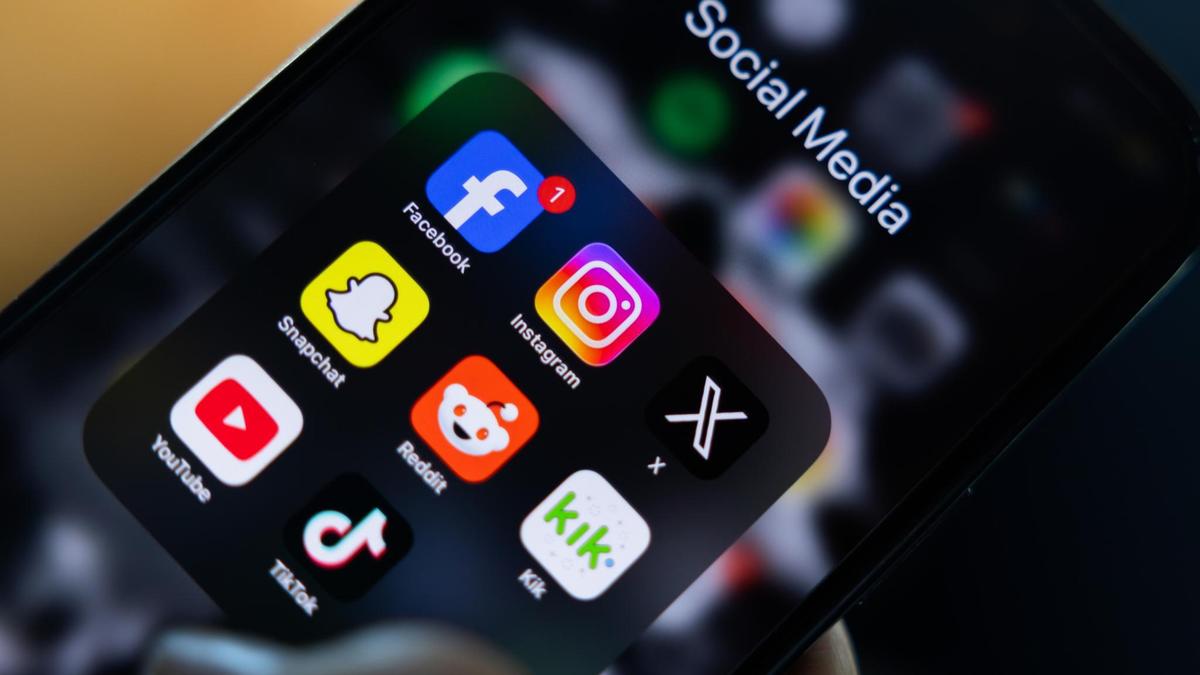
Under the changes, companies including Facebook, Instagram, Snapchat, TikTok and YouTube could be compelled to hand over internal emails, board minutes and instructions issued to teams responsible for enforcing the restrictions.
Platforms or third parties such as age-verification providers that failed to comply with information requests could face fines of up to A$1.65 million.
The maximum penalty for a systematic breach of the under-16 social media law would also rise from A$49.5 million to A$99 million.
Australia’s internet laws face censorship claims
Labor says the measures are needed because the existing rules have not given the regulator enough evidence or enforcement power to hold technology companies accountable.
Prime Minister Anthony Albanese has said more than five million accounts linked to under-16s have been removed, deactivated or restricted since the age restrictions came into force on 10 December. However, officials remain concerned that children are still creating accounts or finding ways around age checks.
Communications Minister Anika Wells accused the platforms of doing the bare minimum to comply and said the government would not retreat from the policy.
“Social media platforms are some of the richest and most powerful companies in the world, and we’re serious about holding them to account,” she said.
The eSafety Commissioner has welcomed the proposed information-gathering powers, saying they would help investigators test claims made by technology companies and examine evidence from outside providers involved in age assurance.
But critics have accused Labor of using child safety as a justification for wider online controls, warning that compulsory age checks and expanded regulatory powers could have consequences for privacy, anonymity and freedom of expression.
The government insists the laws are directed at social media companies rather than ordinary users. It has also indicated that further online safety measures, including a digital duty of care requiring platforms to address foreseeable harms linked to their services, could follow.
No major technology company has publicly accepted that it is failing to comply with the age restrictions. Meta, which owns Facebook and Instagram, has said it is using artificial intelligence to identify accounts believed to belong to under-16s and is developing systems to prevent blocked users from registering again.
Labor wants the legislation passed as quickly as possible, setting up a further confrontation with the technology industry over how far governments should be able to intervene in the operation of online platforms.
