


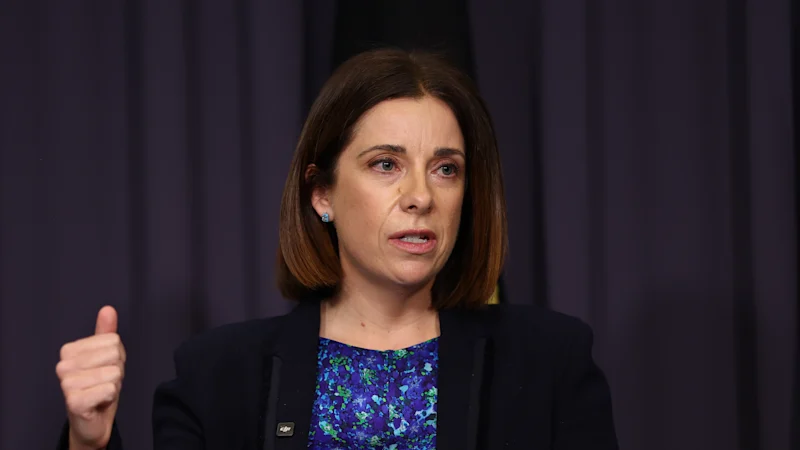
Australia’s Assistant Treasurer Daniel Mulino has mounted a forceful defence of the country’s superannuation system, warning that One Nation’s proposal to give workers easier access to their retirement savings would leave Australians poorer in later life.
Speaking on ABC News Breakfast, Dr Mulino described the plan as “dangerous” and said it threatened to undermine a system that had taken decades to build.
“Superannuation is one of the best retirement income systems in the world, and Australians should rightly be proud of it,” he said. “It took us decades to get to [a] 12 per cent superannuation guarantee, and that’s a level that is going to provide people with a high level of dignity and security in retirement.”
Under the One Nation proposal, workers would be able to access more of their superannuation before retirement to help meet immediate household costs. Pauline Hanson has argued the measure would provide assistance to people struggling with expenses such as rent, mortgages and bills.
Critics say the short-term benefit would come at a significant long-term cost. Analysis cited by the Super Members Council found that a 30-year-old full-time worker earning about A$90,500 could be around A$25,000 worse off in retirement if they opted into the scheme.
Dr Mulino said the policy amounted to taking money from Australians’ future retirement income to ease present financial pressures. He argued that higher wages and tax cuts were a better way to improve household finances.
“To unwind that is dangerous and undermines the whole superannuation system,” he said. “What we’ve suggested over recent years is that the far better approach is to support people getting pay rises.”
The Assistant Treasurer also accused One Nation of failing to support measures that would improve workers’ incomes, saying the party had repeatedly voted against pay rises.
“One Nation and the opposition routinely vote against those pay rises,” he said. “To do what the One Nation party is suggesting, we’ll see somebody who’s 30 years old, $25,000 worse off at retirement, and a couple around $50,000 worse off.”
Dr Mulino said the government wanted to address cost-of-living pressures through “sustained wage increases and tax cuts”, rather than encouraging workers to draw down retirement savings.
