


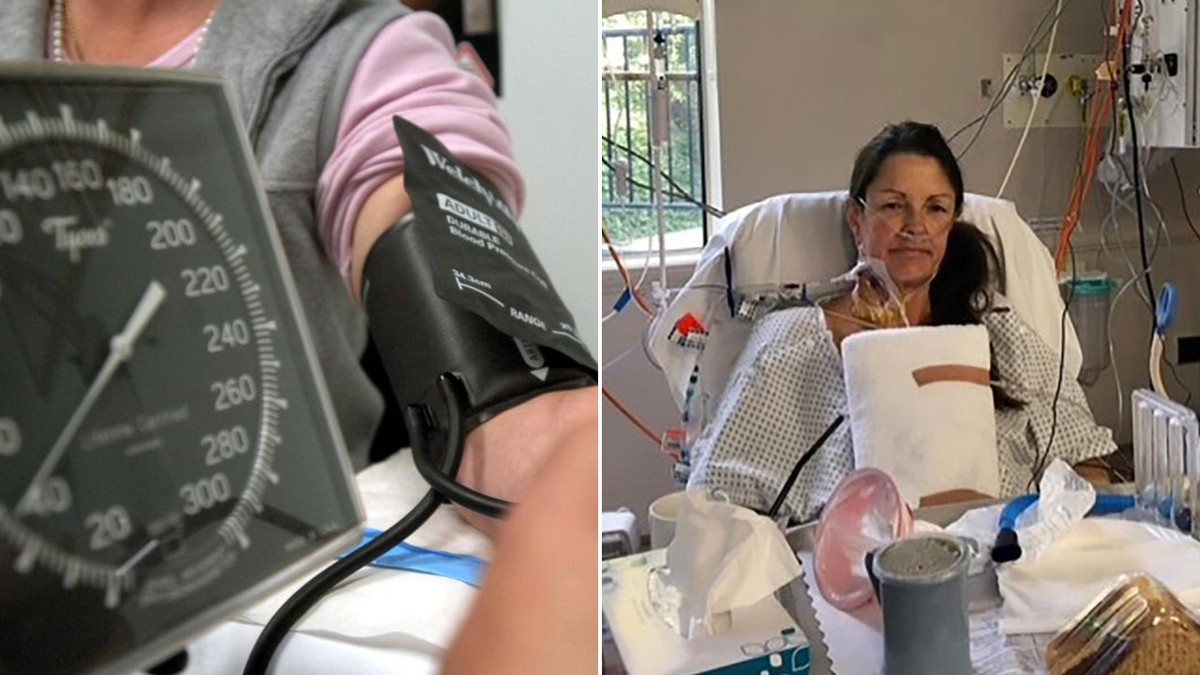
Sharron Yaxley had passed her routine cardiac checks and was preparing for a 3,000km cycling trip through Europe when a friend’s insistence on one further test uncovered a potentially fatal heart condition.
The 60-year-old Tasmanian, who has a strong family history of cardiovascular disease, had been seeing a cardiologist every two years. She was fit, did not smoke or drink, ate well and had no obvious symptoms.
But after a friend suggested a CT coronary calcium scan, Yaxley pressed for the additional investigation despite being told she was “too fit” for it to reveal anything and that she would have to pay about $800 herself.
The scan was carried out after she returned from her European cycling trip. Yaxley was preparing to ride roughly 100km to Launceston when the cardiologist’s practice called with the results.
“He came out of the cath lab and said, ‘Tell her to get off the bike and go and sit on the couch and rest’,” she told the Australian Associated Press.
She was informed that her calcium score was “catastrophically high” and was quickly booked in for open-heart surgery.
“He told me I was a very lucky girl and that I was lucky to be alive,” Yaxley said. “And in all likelihood, I would have just dropped dead.”
Yaxley has since been managing her cardiovascular disease and has urged people with a family history of heart problems to seek more comprehensive testing.
“If you have a family history of cardiac disease, push to get more than the usual tests, because I passed all of those,” she said. “The signs weren’t there, other than my genetics.”
Women’s heart disease symptoms often missed
The Heart Foundation says almost every hour in Australia a woman dies from heart disease, while women’s cardiovascular risks and symptoms can be under-recognised or misinterpreted. ([heartfoundation.org.au](https://www.heartfoundation.org.au/womens-hearts?utm_source=openai))
Chest pain remains the most common symptom of a heart attack in both women and men, but women are also more likely to experience fatigue, nausea, pain in the jaw or back and breathlessness.
Representatives from the Heart Foundation, the National Rural Health Alliance and Her Heart are due to meet federal MPs during Women’s Health Week to discuss shortcomings in the diagnosis and care of women with cardiovascular disease.
Heart Foundation clinical strategy head Natalie Raffoul said women were “falling through the cracks of care” and called for greater attention to the distinct risks and symptoms associated with heart disease in women.
