


Search teams continued combing through mud, debris and flooded hydropower tunnels on Monday as families in Nepal mourned victims of the Nepal-Tibet floods and held on to hopes that missing relatives might still be found alive.
The disaster, which struck on August 26, has killed more than 1,300 people in Nepal and Tibet and left about 5,000 missing, including foreign nationals, according to Nepal’s disaster management agency.
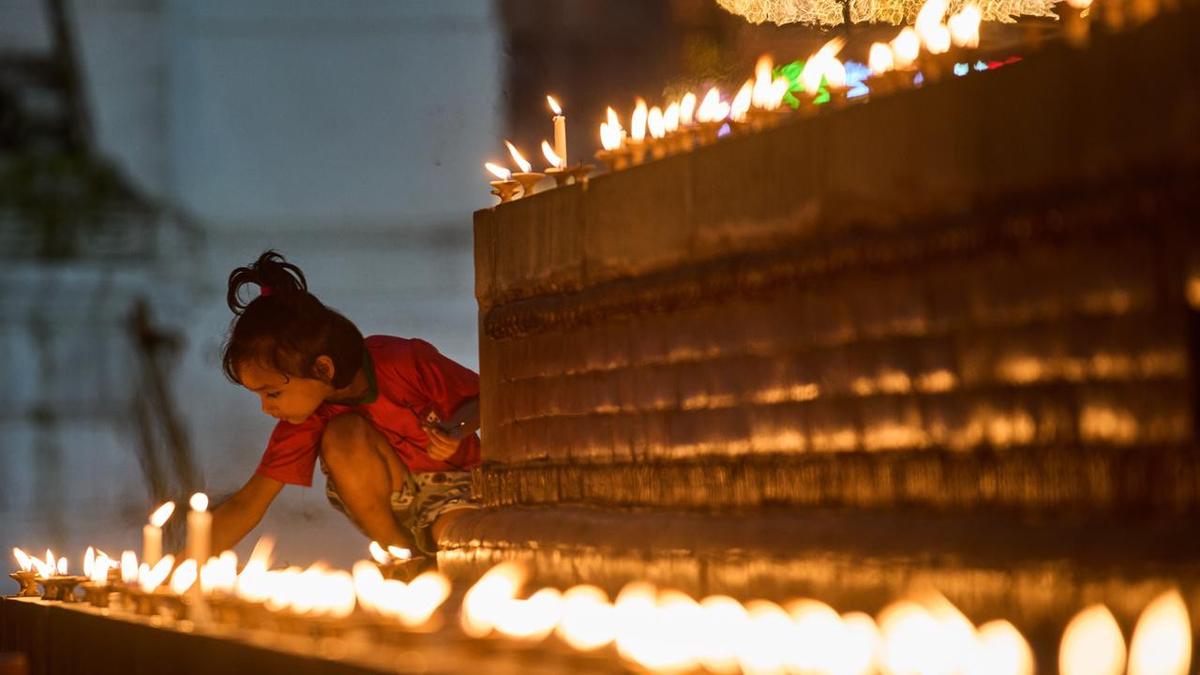
Nepal observed an official day of mourning, with flags lowered at government buildings as families completed the 13-day Hindu mourning period. Some relatives performed symbolic funerals for loved ones whose bodies have not been recovered, while candlelight vigils were held in Kathmandu.
Families of missing hydropower workers also gathered near government offices, demanding faster action. Many of those feared missing were working at facilities along the Bhotekoshi River when torrents of water, mud and rocks swept through the area.
Sumana Shrestha joined the protest with a photograph of her 55-year-old husband, a consulting geologist who disappeared after saying he would return home from a project office at the Trishuli hydropower plant. The building was later buried beneath debris.
“The only thing we have been able to do is pray to God and hope for a miracle,” she said.
Search focuses on hydropower tunnels
Rescue operations have been concentrated on 12 hydropower projects, where about 900 workers are believed to be missing. Authorities estimate that roughly 500 could be trapped inside tunnels filled with mud and rubble.
Specialist teams from India, China, South Korea and the United States have joined Nepali rescuers. Drone operators have been used to search areas that are difficult or dangerous to reach, although many tunnels have been blocked completely.
Drone pilot Manish Maharjan said rescuers had used mounted speakers to call out to stranded people and, in some locations, played music while waiting for a response. The method helped locate survivors in a number of areas, but searches inside the tunnels have proved far more difficult.
“We found tunnels were filled with mud like toothpaste in a tube,” Mr Maharjan said.
Nepal’s foreign ministry said it was working with the Nepali Army, disaster authorities and China to trace missing people, including foreign nationals. Chinese authorities have also helped Nepali citizens return from Tibet through border points including Hilsa.
The ministry said the remains of some victims had been temporarily buried after DNA samples were taken, allowing families to identify them and arrange further religious ceremonies later.
As the search continues, relatives have been left waiting for news amid increasingly slim chances of finding survivors. For many, the vigils and prayers have become a way to honour those lost while keeping faith that some missing family members may yet return.
