


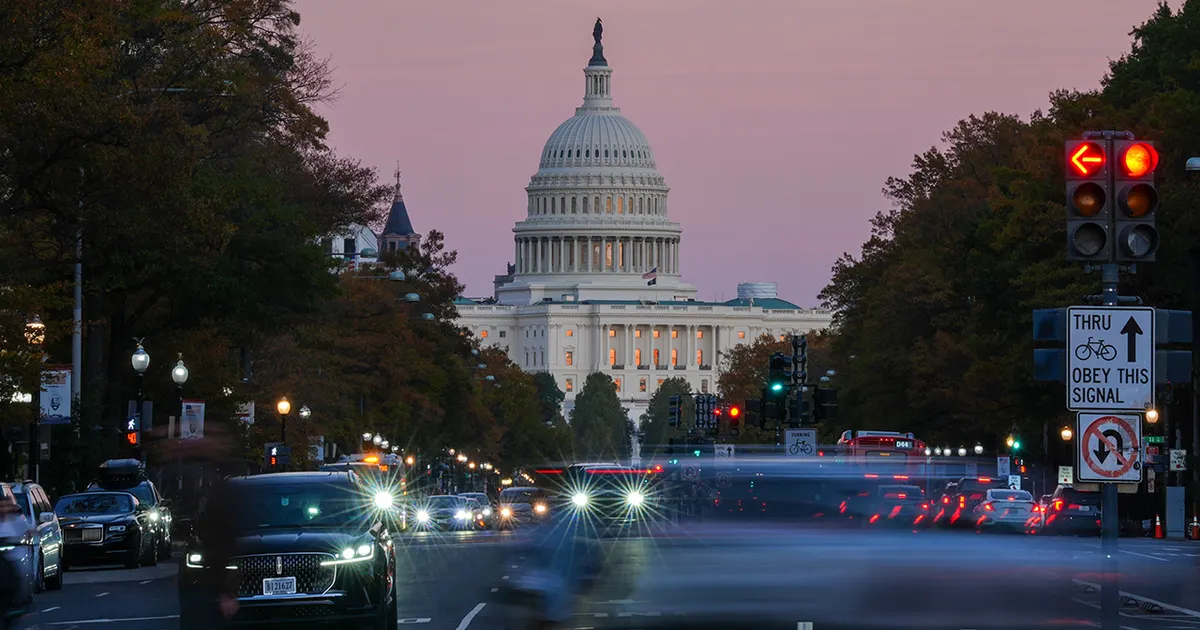
Democrats have seized control of both chambers of Congress in the 2026 US midterm elections, delivering a major setback to President Donald Trump and reshaping the political landscape for the final two years of his term.
The party won a series of closely watched Senate races, including Republican-held seats in Texas, Kansas, Ohio, Iowa, North Carolina and South Carolina. Democrats also retained key seats in Georgia and Virginia, securing control of the upper chamber.
CBS News projected that Democrats would also take the House of Representatives, where all 435 seats were contested. The result gives the party control of congressional committees, as well as the power to launch investigations and issue subpoenas involving the Trump administration.
The scale of the gains extended beyond Washington. Voters chose Democratic governors in a number of major contests, including Texas, where Gina Hinojosa defeated incumbent Republican Greg Abbott, and Ohio, where Amy Acton beat Republican Vivek Ramaswamy.
Several Senate victories carried particular significance. James Talarico became the first Democrat elected to the Senate from Texas in decades, while Adam Hamilton achieved a similar breakthrough in Kansas. In North Carolina, former governor Roy Cooper defeated Michael Whatley, a Trump-backed candidate and former Republican National Committee chairman.
The results followed a campaign dominated by concerns over the cost of living, the economy, government corruption and the consequences of the administration’s foreign policy. Exit polling reported by US broadcasters indicated widespread dissatisfaction with the direction of the country.
Mr Trump had made the election a test of Republican control in Washington, but told The New York Times that he would accept the outcome and work with Democrats. “I am absolutely willing to accept those results,” he said.
Democratic control of Congress is likely to produce a period of confrontation and legislative deadlock. Mr Trump retains the presidential veto, however, and has indicated that he intends to use executive powers to pursue his agenda during the remainder of his term.
