


Australians were charged excessive specialist fees more than 1.24 million times last year, with patients paying over five times the government benchmark for medical services, according to a Department of Health analysis.
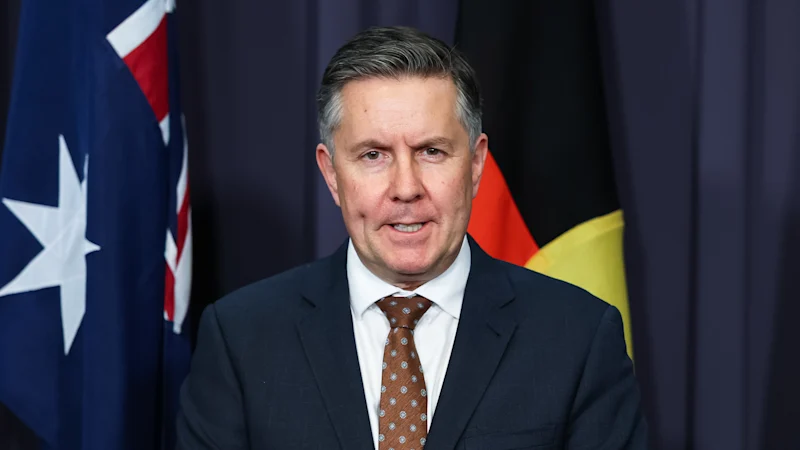
Health Minister Mark Butler has made the costs a priority for Labor’s second term as the government examines measures to curb soaring out-of-pocket bills. The department found specialist fees had risen at twice the rate of inflation over the past decade.
Patients paying for out-of-hospital specialist care were charged an average of $458 more than in 2019, with total out-of-pocket costs rising by more than 75 per cent to $4.17 billion. In-hospital gap payments for people with private health insurance also increased sharply over the same period.
A further six million services were billed at between three and five times the government’s schedule fee, which is the benchmark used to determine Medicare benefits. Doctors and other providers are free to set their own prices above that fee.
Specialist fees and the affordability problem
Dermatologists charged the highest fees above the benchmark for out-of-hospital services and had the largest proportion of patients paying more than five times the schedule fee. Obstetricians, gynaecologists and sports and exercise specialists were next, while anaesthetists recorded the highest above-benchmark charges in hospital.
The department said the sharpest charges came from a small minority of providers, but warned that broader increases were also contributing to affordability pressures. It said limited transparency around pricing and the imbalance between doctors and patients were affecting access to specialist care.
People with chronic illnesses or those requiring ongoing psychiatric treatment could face a particularly heavy burden if they had to return repeatedly to a provider charging high fees, the department said.
Dr Rachel David, chief executive of Private Healthcare Australia, said the government should address more than the most extreme cases as patients delayed or went without treatment because of the cost.
“The government should not stop at the most extreme outliers. Excessive fees are the sharpest edge of a much broader affordability problem: specialist fees and gaps across the market have been creeping up much faster than inflation for years,” she said.
Private Healthcare Australia said one in three people referred to a specialist did not attend, based on its surveys. David said delayed diagnoses could lead to avoidable complications and more invasive and expensive hospital treatment.
The organisation supports measures under consideration by a parliamentary inquiry, including fee caps, incentives to encourage bulk billing and penalties for unreasonable pricing.
Its data showed the median fee for a knee replacement was $1,080 in 2024-25, while 10 per cent of patients were charged more than $5,300. Private health insurance does not cover every medical bill, particularly for out-of-hospital care, leaving patients responsible for charges above agreed gap arrangements.
Butler said he had asked his department to advise on ways to bring the growth in out-of-pocket costs under control. The inquiry into specialist fees is accepting submissions until October.
He also said Labor was improving the former government’s Medical Costs Finder by publishing information about specialists and their billing practices.
“Australians deserve transparency, fair pricing and confidence their premiums are being directed where they are needed most,” Butler said. “I expect private health insurers and hospitals to work hard to bring down costs and keep future price increases to a minimum.”
