


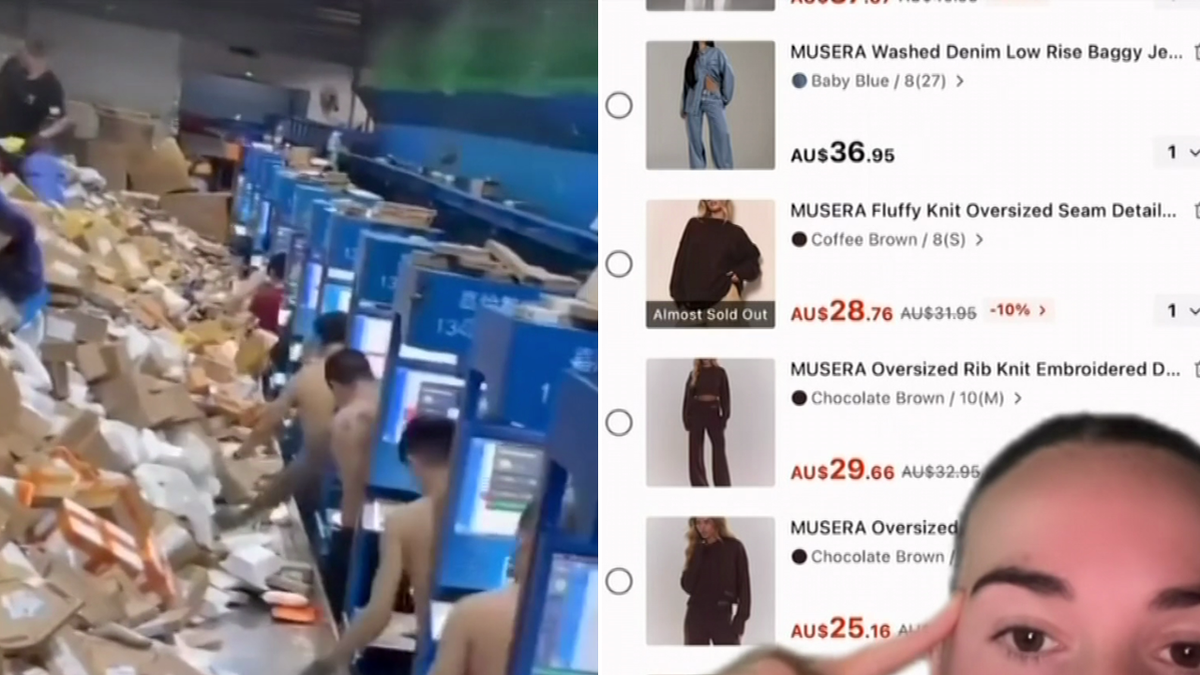
More than seven million Australians are buying ultra-fast fashion from online retailers including Temu and Shein, despite growing concerns over the industry’s environmental impact.
Research cited by RMIT University associate professor Carol Tan suggests the spending is not simply impulsive. Shoppers are reportedly compiling wish lists and waiting for payday or a flash sale before placing their orders.
“So they shop, they build a wishlist, and then when it’s payday or when there’s a flash sale, they are ready to pull the trigger and buy,” Professor Tan said.
Social media is helping drive demand by exposing consumers to trends that can change overnight. Professor Tan said retailers were analysing shopping habits on TikTok and using artificial intelligence to examine consumer behaviour.
The speed of production sets ultra-fast fashion apart from more established high-street chains. Suppliers are producing up to 10,000 garments a day for the online platforms, while retailers such as Zara and H&M typically launch new products every two to four weeks.
The low prices are encouraging consumers to set aside ethical and environmental concerns in favour of buying clothes for immediate events. “It’s more important to buy something for Saturday night,” Professor Tan said.
Australia disposes of about 300,000 tonnes of fashion waste each year, described as the equivalent of three fully laden aircraft carriers being sent to landfill.
One shopper said some consumers were “a little bit sick of seeing fast fashion” and wanted something different. Retail experts, however, said that view was not typical and predicted the ultra-fast fashion market would continue to expand.
