


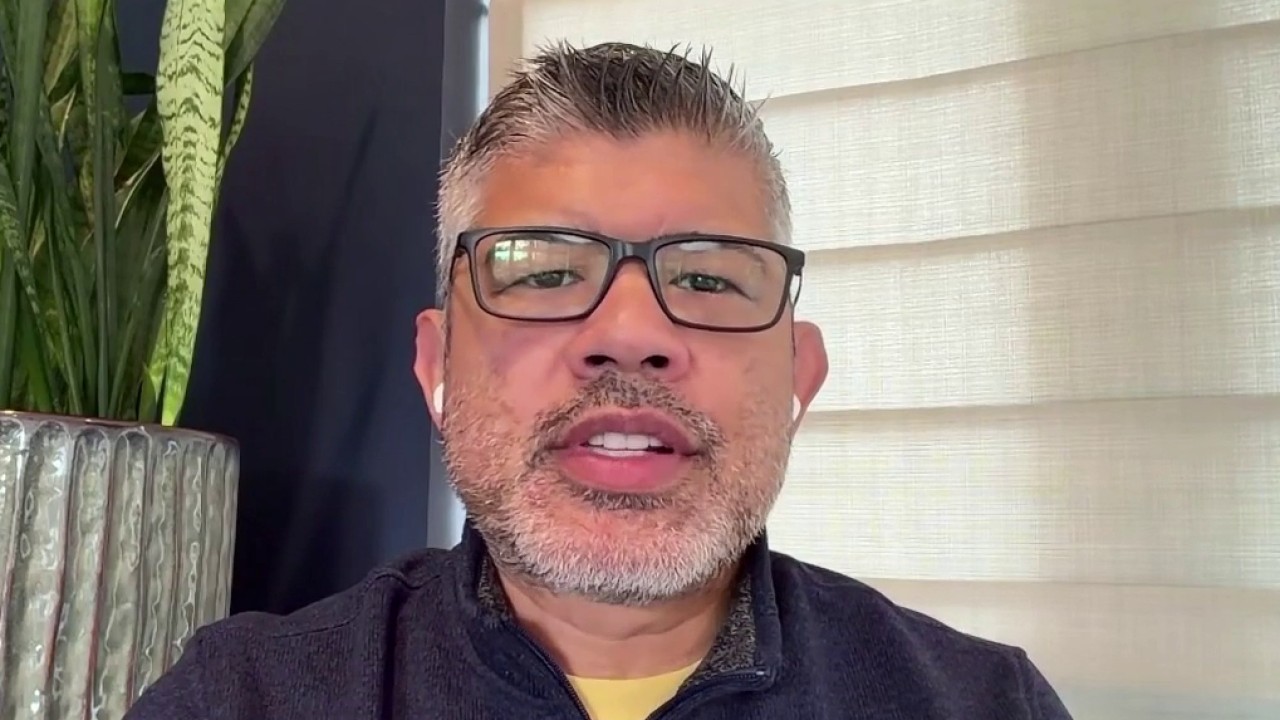
Dozens of downstate Illinois counties have backed non-binding referendums exploring whether to separate from the state, highlighting the deepening political divide between Chicago and rural communities, former Republican lieutenant governor candidate Aaron Del Mar has said.
The latest votes, held during the November 3 election, added 12 counties to a movement that has now secured support in 45 of Illinois’s 102 counties, according to a county-by-county review of election results and local officials.
The ballot questions do not trigger secession or alter any boundaries. Instead, they ask voters whether their county should work with others to examine the possibility of forming a new state separate from Cook County and Chicago.
Supporters argue that state policy is dominated by the Chicago area and that downstate communities are routinely overlooked by lawmakers in Springfield. The issue has become particularly significant for Republicans, whose electoral strength is concentrated outside Chicago even as the metropolitan area determines the outcome of statewide contests.
Illinois county separation votes expose Chicago divide
Del Mar, who ran as Darren Bailey’s Republican running mate in the 2026 governor’s election, discussed the referendums and their implications for the Illinois Republican Party in an interview broadcast by Fox 32 Chicago.
The campaign for separation has been led by Illinois Separation, whose supporters say the proposed new state would give rural and small-town communities greater control over taxation, public services and political representation.
The group’s organisers have acknowledged that any split would face a lengthy legal and political process. A new state could not be created through county votes alone and would require approval from the Illinois General Assembly and Congress.
An opinion issued by Illinois Attorney General Kwame Raoul in 2023 said non-home-rule counties did not have the authority to leave Illinois or join another state. It concluded that referendums on county secession were advisory and had no binding legal effect.
The opinion also cited the US Constitution, which requires the consent of the affected state legislatures and Congress before a new state can be formed from territory belonging to an existing state.
Despite those obstacles, supporters say the votes are intended to demonstrate the depth of dissatisfaction outside Chicago rather than announce an immediate departure from Illinois. Opponents argue that the measures risk overstating what county governments can legally achieve and divert attention from more practical local concerns.
The results leave Illinois Republicans facing a difficult political balance: maintaining support in downstate counties where frustration with Chicago is strong, while also attempting to compete in the state’s densely populated suburbs and metropolitan region.
