


Australians with a rare genetic form of motor neurone disease will gain access to the targeted drug Qalsody at a fraction of its former price after it was added to the Pharmaceutical Benefits Scheme.
The listing of tofersen means around 70 eligible patients with SOD1-associated amyotrophic lateral sclerosis (ALS) will see the cost of each prescription fall from about $28,600 to a maximum of $25. Concession card holders will pay $7.70.
The change represents a 99 per cent reduction in the price of the treatment and has been welcomed as a major step forward for patients with limited options.
Qalsody is designed for adults whose ALS is linked to a mutation in the SOD1 gene. It works by reducing the build-up of the SOD1 protein, which can damage the nerve cells responsible for movement, speech, swallowing and breathing.
The Therapeutic Goods Administration granted the medicine provisional approval in April 2026. It is administered by injection into the lower back and is intended to slow the loss of muscle strength and nerve function, although research into its longer-term benefits is continuing.
Qalsody PBS listing hailed as a game changer
Dominic Rowe, head of neurology at Macquarie University Hospital, said the move would give people living with SOD1-ALS access to a treatment aimed at the genetic cause of their condition.
“Despite advances in care, the impact of MND in Australia continues to grow,” Dr Rowe said.
“For people living with SOD1-ALS, today’s announcement is particularly significant because we now have access to a therapy specifically designed to target the underlying genetic cause of their disease.”
He said the decision followed more than three decades of research since the SOD1 gene was first identified as a cause of inherited MND.
MND is a progressive neurological condition in which nerve cells controlling voluntary movement deteriorate. Over time, people can lose the ability to walk, speak, swallow and breathe, leading to increasing disability and loss of independence.
Health Minister Mark Butler described the PBS listing as a “game changer” for Australians living with ALS.
“MND is a heartbreaking insidious disease that Australians are all too familiar with,” he said.
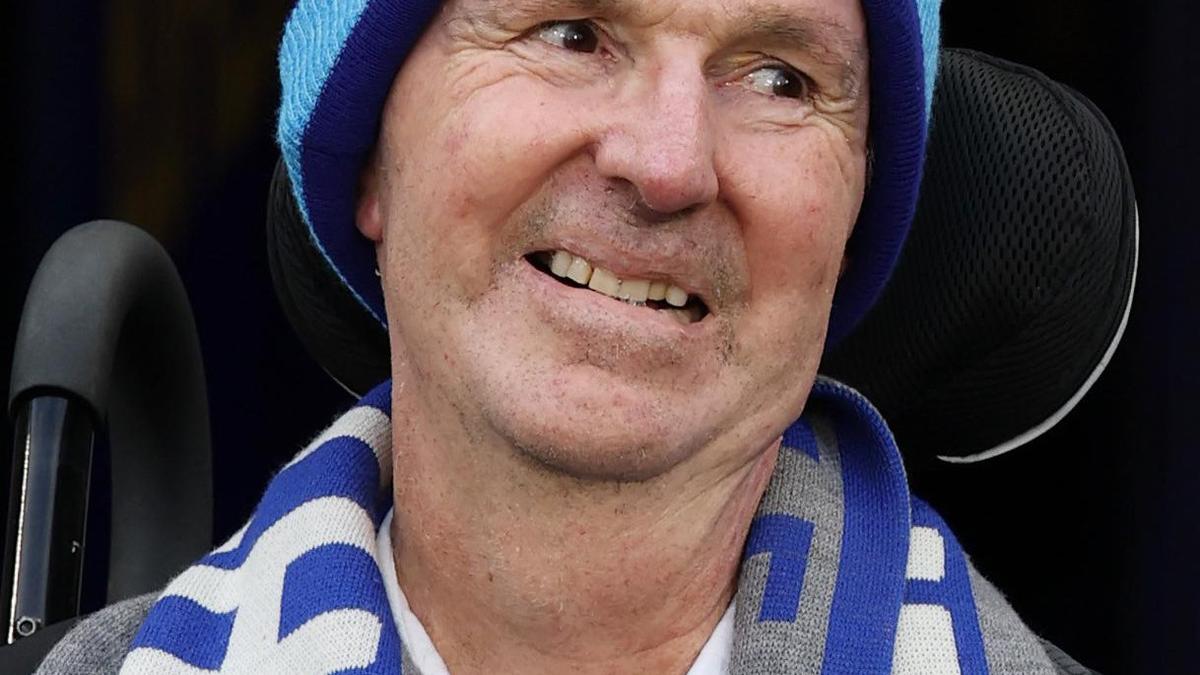
Mr Butler said the government hoped the decision would honour the work of Neale Daniher, who was diagnosed with MND in 2013 and founded FightMND the following year.
The organisation has raised more than $117 million for research and projects supporting people living with the disease. Daniher was named Australian of the Year in 2025 for his advocacy and fundraising efforts.
In January, the Australian Government announced $40.1 million for the Neale Daniher National MND Clinical Network. The network is intended to expand clinical trials, improve access to research for patients in regional and remote areas, and support the development of new treatments.
