


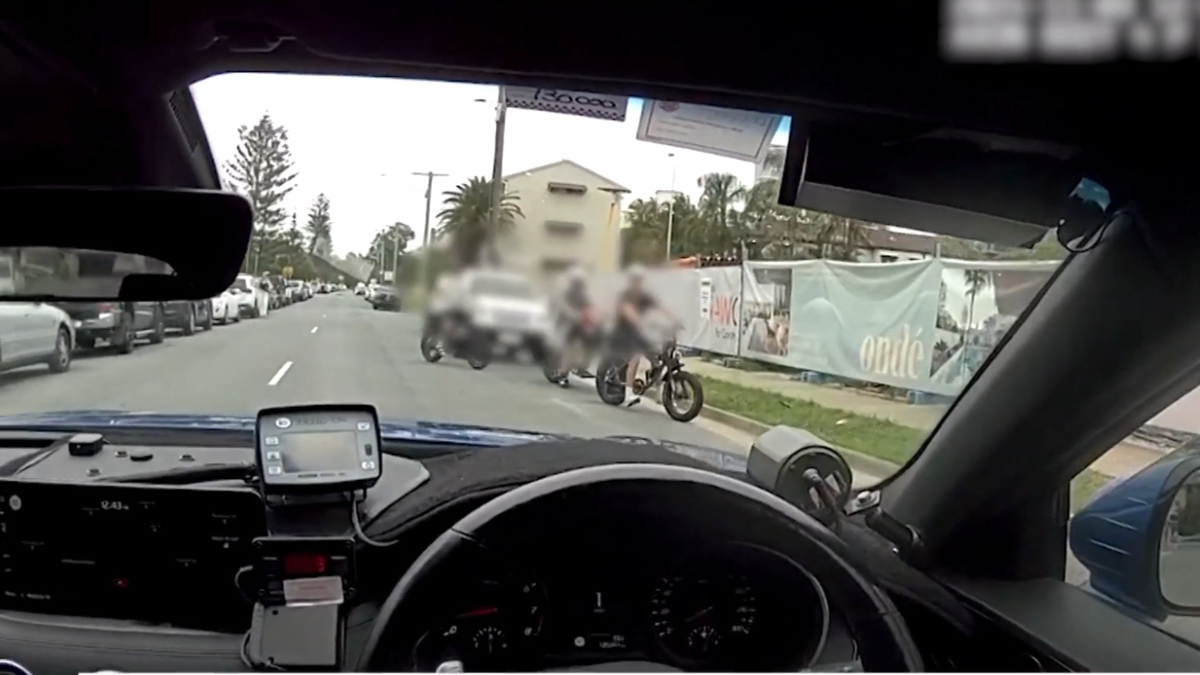
Queensland’s new e-bike and e-scooter laws have come into force, requiring most riders to be at least 16 and hold a valid learner licence, while parents can now be fined if children break the rules. Offenders face infringement notices of up to A$518, with police launching increased patrols and targeted operations across the state. ([statements.qld.gov.au](https://statements.qld.gov.au/statements/105967))
The second phase of the crackdown began on Monday, August 31, after the first tranche of reforms was introduced on July 1. Authorities have warned there will be no general grace period for riders who fail to comply.
Acting Deputy Commissioner Rhys Wildman said police would be visible on Queensland roads and pathways, including through special operations targeting unsafe riding and illegal devices.
“Where riders choose to disregard the law, enforcement action will follow,” Mr Wildman said in a statement issued by the Queensland Government.
Children aged between 12 and 17 can still ride outside designated recreational areas if they are supervised by a parent, grandparent, legal guardian or carer. The supervising adult must remain close enough to give instructions.
Riders who cannot hold a licence because of a medical condition or disability may also qualify for an exemption. Those applying for one must carry a certificate completed by an eligible health professional, although a three-month period has been allowed for eligible riders to obtain the document. ([statements.qld.gov.au](https://statements.qld.gov.au/statements/105967))
Police enforcement of Queensland e-bike laws
Queensland Police have already seized almost 400 illegal e-bikes and e-scooters since July 1 and issued 1,747 traffic infringement notices for offences including speeding, failing to wear a helmet and dangerous riding.
The statewide operation, known as Operation Yankee Surety, also includes roadside breath testing. Police say riders are subject to a 0.05 blood-alcohol limit, while the operation is scheduled to continue until June 30, 2027. ([statements.qld.gov.au](https://statements.qld.gov.au/statements/105967))
The government has also banned devices capable of travelling faster than 25km/h under motor power. E-bikes must have a motor rated at no more than 250 watts and must be primarily pedal-powered, while modified or high-powered models can be seized, impounded and destroyed.
E-scooters and other personal mobility devices may be used in some bicycle lanes on roads with speed limits of up to 60km/h, but riders must not exceed 25km/h. A 12km/h limit applies on footpaths and when passing pedestrians on shared paths. ([qld.gov.au](https://www.qld.gov.au/government/news-and-publications/newsroom/police-target-unsafe-e-mobility-use-across-queensland))
Mandatory compliance labelling for electrically power-assisted cycles is due to take effect on February 28, 2027. The Queensland Government says the requirement is intended to identify e-bikes that meet the European EN 15194 safety standard. ([qld.gov.au](https://www.qld.gov.au/government/news-and-publications/newsroom/police-target-unsafe-e-mobility-use-across-queensland))
The measures follow a series of fatal and serious crashes involving e-bikes and e-scooters in Queensland. Six people have died in such incidents this year, while thousands more have been treated in hospital, according to the source material.
Last week, a 13-year-old boy died in hospital three days after being thrown from an e-scooter at Childers, near Bundaberg. Police are continuing to investigate the crash.
Safety campaigners have welcomed the focus on dangerous devices but warned that illegal models remain readily available from shops and online retailers. Bicycle Queensland chief executive Dr Matthew Burke said police were removing about six illegal devices from the roads each day, but questioned whether enforcement could keep pace with sales.
Authorities have said the success of the new laws will ultimately be judged not by the number of fines issued, but by whether they prevent serious injuries and save lives.
