


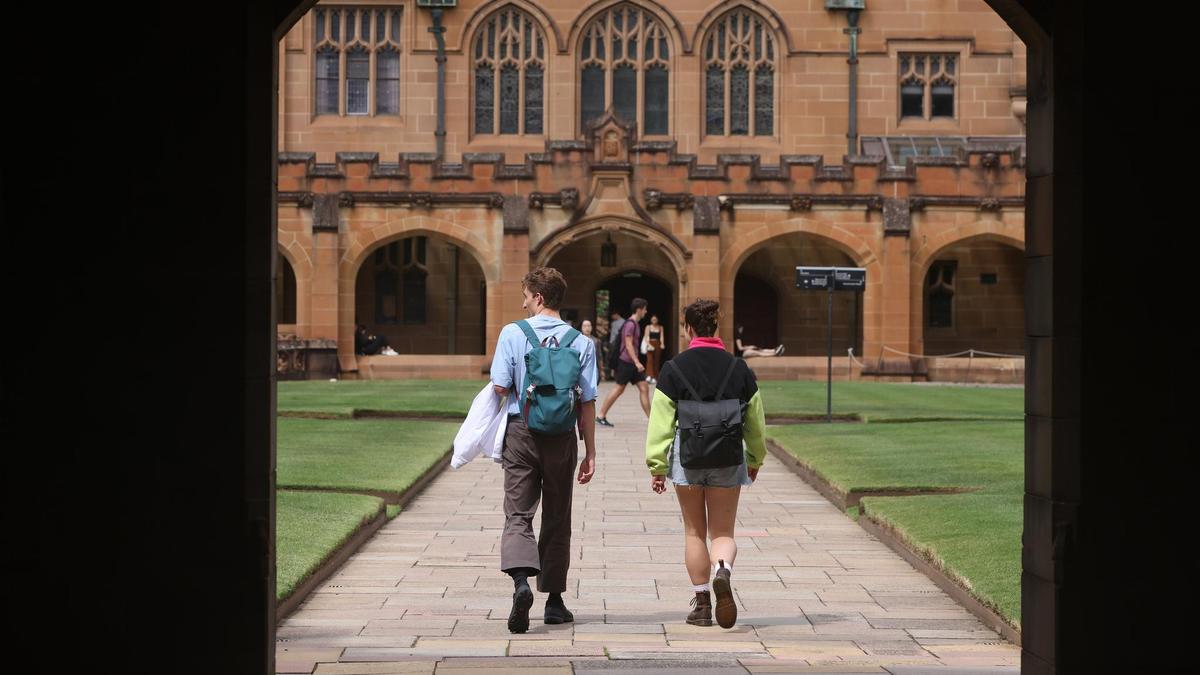
University of Sydney staff will take part in a 24-hour strike on Wednesday 2 September after negotiations over a new enterprise agreement broke down, with job security and safeguards around artificial intelligence at the centre of the dispute. ([sydney.edu.au](https://www.sydney.edu.au/study/student-life/student-news/2026/08/24/planned-industrial-action-wednesday-2-september-2026.html))
Members of the National Tertiary Education Union (NTEU) are expected to walk off the job as bargaining reaches an impasse over casual employment, redundancy protections, disability rights and the impact of AI on university work.
The university has advised staff and students to work and study from home where possible. Almost all scheduled classes are expected to move online, although some laboratory sessions and other activities that cannot be delivered remotely may be cancelled. ([sydney.edu.au](https://www.sydney.edu.au/study/student-life/student-news/2026/08/24/planned-industrial-action-wednesday-2-september-2026.html))
Campuses will remain open, but access to buildings will require a valid student or staff identity card. Picket lines are expected near entrances, with the university saying its protective services officers will be present to support safety.
Online assessments will not be affected, according to the university, although students sitting in-person examinations or assessments have been told to contact their unit coordinator. Some in-person services, libraries and student facilities will also operate with reduced hours. ([sydney.edu.au](https://www.sydney.edu.au/study/student-life/student-news/2026/08/24/planned-industrial-action-wednesday-2-september-2026.html))
University of Sydney strike centres on AI protections
Vince Caughley, secretary of the NTEU’s New South Wales division, said the strike followed the failure to resolve key claims on “decasualisation, job security, protections around AI and disability rights”.
“At its heart, this dispute is about job security and who gets to decide the future of our universities,” Mr Caughley told NewsWire.
He said union members wanted stronger guarantees over the introduction of significant AI systems, including consultation, transparency in decision-making and safeguards for staff members’ voices, images and intellectual property. The union is also seeking protection against AI contributing to job losses or major changes to existing roles. ([aapnews.aap.com.au](https://aapnews.aap.com.au/news/hundreds-of-university-staff-to-strike-over-ai-changes))
“Our members have watched secure jobs disappear through years of restructures, casualisation and cost-cutting,” Mr Caughley said.
The NTEU has accused university management of moving too quickly on AI and says staff should have a greater say in decisions affecting employment and teaching. It has also raised concerns about the creation of new employment categories and the weakening of consultation requirements.
A university spokesperson said the industrial action was premature and would not change its approach to bargaining.
“Industrial action won’t influence the way we reach agreement with the NTEU and we believe their stop work action is premature,” the spokesperson said. The university added that it supported eligible members’ right to take protected industrial action and would continue negotiating at the bargaining table. ([sydney.edu.au](https://www.sydney.edu.au/study/student-life/student-news/2026/08/24/planned-industrial-action-wednesday-2-september-2026.html))
The University of Sydney is negotiating a replacement for its existing enterprise agreement with representatives from both the NTEU and the Community and Public Sector Union. The agreement sets out pay and employment conditions for staff, while protected industrial action is permitted under Australia’s Fair Work Act during negotiations when the required legal process has been followed. ([sydney.edu.au](https://www.sydney.edu.au/study/student-life/student-news/2026/08/24/planned-industrial-action-wednesday-2-september-2026.html))
