


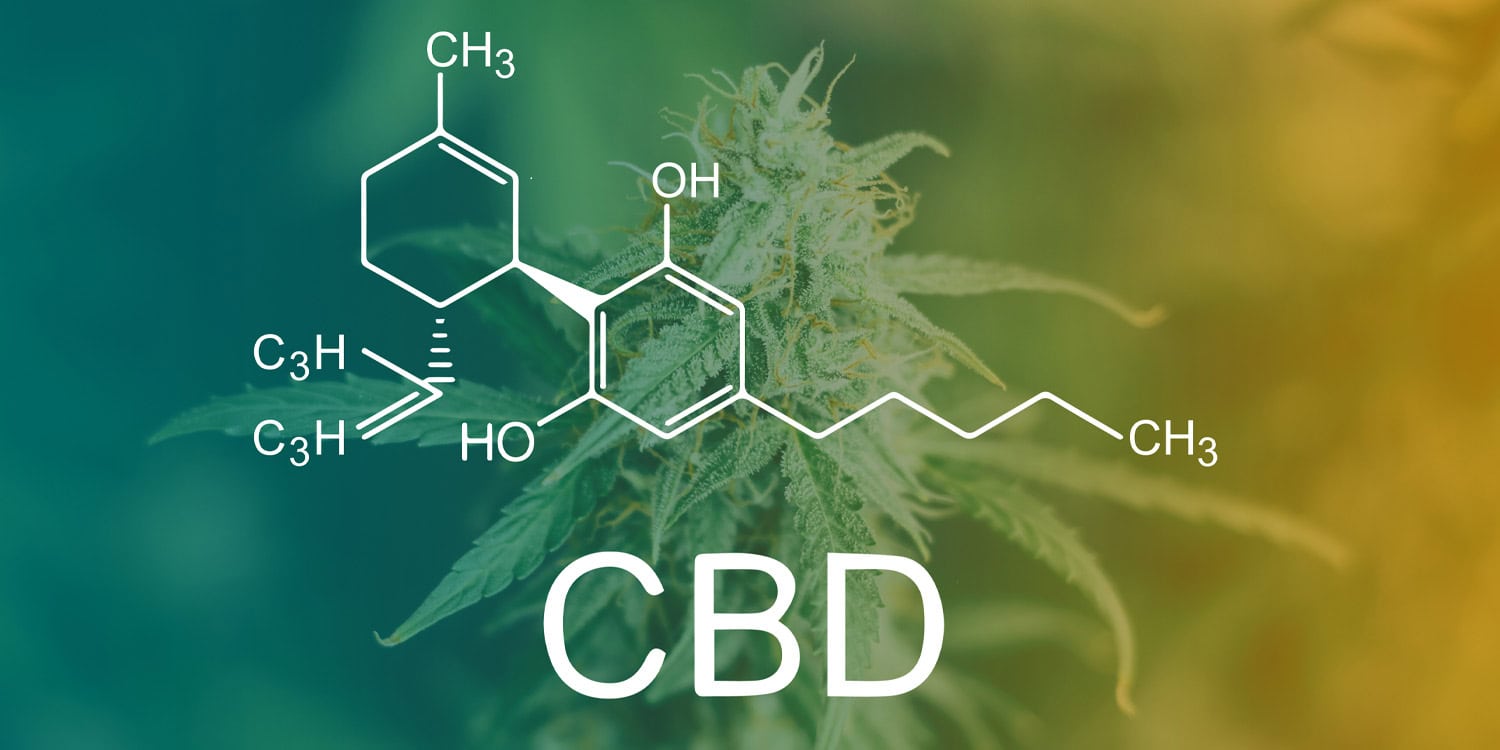
A new synthetic derivative of cannabidiol (CBD) with an elongated molecular tail has shown promising anti-seizure effects in mice, reducing seizure severity and supporting healthier brain cell development without causing sedation. The compound, known as (+)-CBD-oct, was developed by researchers at the University of Nevada, Las Vegas, and published in Neuropsychopharmacology.
Developmental epilepsy syndromes are rare genetic disorders marked by recurrent seizures and delays in development in children. A key problem in these conditions is a loss of inhibitory control over brain activity, and benzodiazepines—common anti-seizure drugs—can slow the nervous system but often produce tolerance, dependence and adverse side effects in children, including sleepiness and cognitive issues.
CBD, a major constituent of cannabis that does not induce a high, has emerged as a potential alternative to traditional anti-seizure medications. While purified CBD has gained FDA approval for certain rare seizure disorders, broader use of natural CBD for other forms of epilepsy remains limited, prompting researchers to seek improvements to the natural molecule.
The Nevada team began with carvone, an extract from caraway seeds, to avoid any potential contamination from THC. They designed a library of synthetic CBD derivatives by altering the alkyl side chain—the carbon tail attached to the main CBD ring—to test how chain length might influence interactions with brain receptors.
In a small study with freely moving mice, the researchers administered several synthetic CBD molecules with carbon chain lengths ranging from three to eight atoms and monitored brain activity via electroencephalography (EEG). They observed distinct effects on brain wave frequencies as the chain length changed.
The derivative with an eight-carbon chain, named (+)-CBD-oct, stood out by increasing electrical power in the delta and theta bands—low-frequency brain waves associated with relaxation, sleep and memory processing—and was selected as the lead candidate for anti-seizure testing.
To assess potential sedation, adult mice received either a water placebo or (+)-CBD-oct and were then placed in an open arena for an hour while their movements were tracked. The treated mice explored at similar speeds and distances as the placebo group, indicating no acute sedative effect, a notable contrast to traditional benzodiazepines.
In a subsequent seizure model, mice were pre-treated with placebo, natural CBD, or (+)-CBD-oct, and seizures were chemically triggered by kainate injections. The synthetic derivative delayed the onset of seizures and reduced the EEG peak of seizure activity, with higher survival observed in the (+)-CBD-oct group compared with placebo.
The researchers also tested the compound in a genetic model designed to mimic aspects of developmental epilepsy. Mutant mice with disrupted inhibitory control received (+)-CBD-oct or placebo before kainate exposure. The synthetic CBD derivative lessened behavioral seizure severity, delayed seizure onset, and reduced the total number of seizures, while improving survival after the chemical challenge.
Exploring the drug’s effects on brain development, the team treated normal mouse pups and mutant epilepsy pups with (+)-CBD-oct or placebo for five days and examined dendritic spines—the tiny protrusions that form neuronal connections. In normal mice, the treatment did not alter spine development, but in mutant mice it helped normalise the structure by reducing immature spines in the cortex and hippocampus and promoting mature spines in the cortex.
The authors caution that the study relied on a single chemical model of seizure and used small animal groups, with adult tests conducted only in male mice. They acknowledge that the model may not capture the full spectrum of human epilepsy mechanisms, and it remains unknown whether female mice would respond similarly.
Mechanisms by which the synthetic compound prevents seizures remain to be fully characterised. While the drug altered brain cell connections, the researchers did not determine exactly which receptors are targeted, and further work is needed to establish how this translates to electrical activity at synapses.
The study, titled Carvone derived cannabidiol enantiomers as novel anticonvulsants, is credited to Rochelle M. Hines, April Contreras, Adriana Carrillo, Alexandra Paton, Antonio J. Tenorio, William A. Maio and Dustin J. Hines.
