


Starbucks has explored a potential acquisition of Chipotle Mexican Grill, in a deal that would unite two of the biggest restaurant chains in the United States, although investors remain divided over whether the transaction would benefit either business.
The coffee company has been working with advisers on a possible takeover proposal in recent months, according to a report. It remains unclear whether Starbucks will make a formal approach.
Shares in Chipotle rose by about 7 per cent after the report, while Starbucks shares fell roughly 4 per cent. D.A. Davidson analyst Matt Curtis estimated that the chances of a completed deal were “relatively low” at about 20 per cent.
Starbucks declined to comment. Chipotle did not immediately respond to a request for comment.
Why Starbucks and Chipotle could fit together
The proposed acquisition would bring together a chain with about $31 billion (£23.3 billion) in annual US sales and Chipotle, which generates more than $11 billion in annual system-wide sales in its home market.
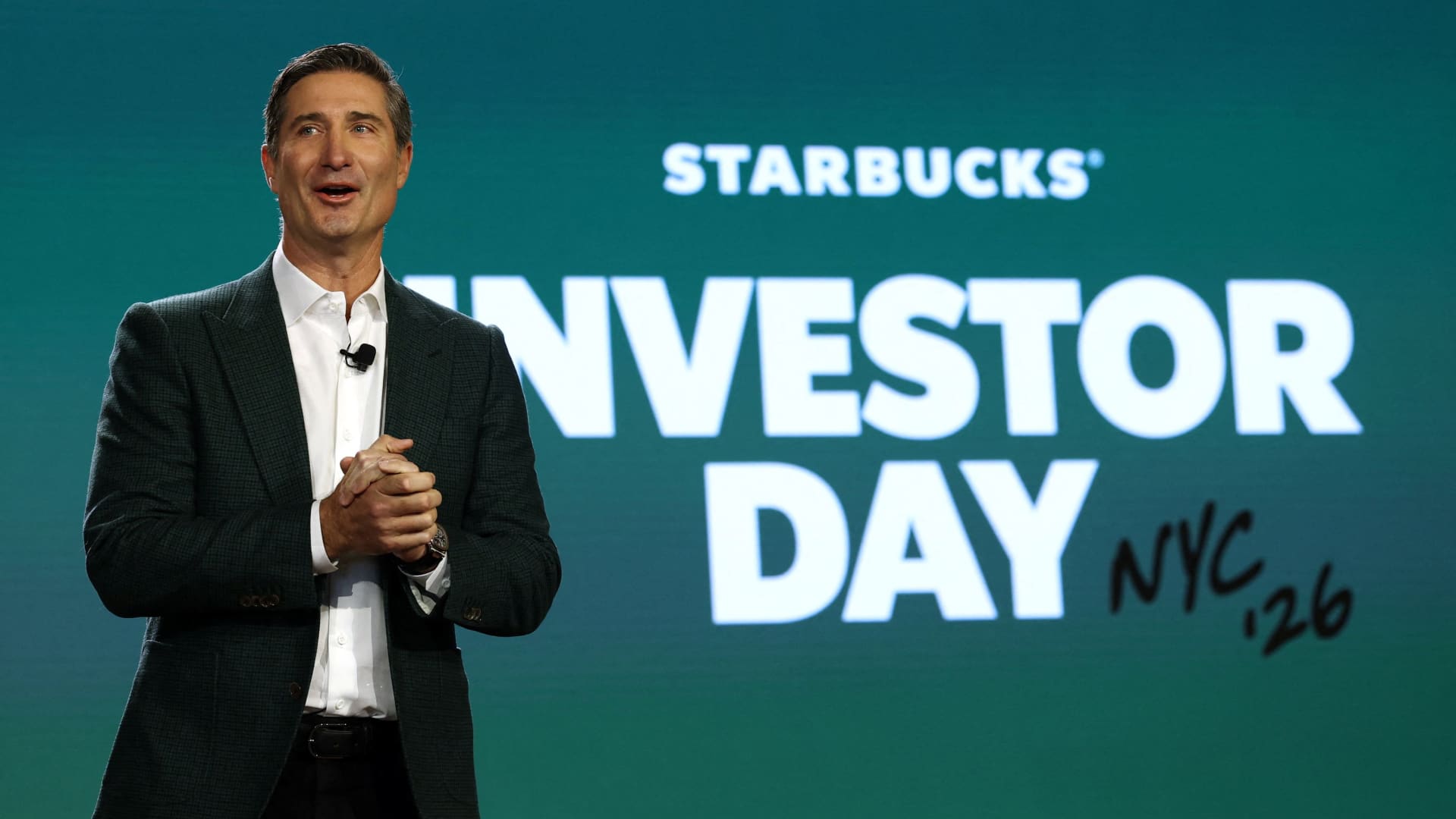
Starbucks chief executive Brian Niccol has particularly close knowledge of Chipotle. Before joining Starbucks in 2024, he spent more than six years running the Mexican-inspired restaurant chain and led its recovery after a series of food-borne illness outbreaks.
Chipotle struggled after his departure, with customer traffic falling in 2025 as more budget-conscious consumers visited its restaurants less often. The company has since reported signs of “encouraging progress”, although its shares remain about 20 per cent below their level a year ago, even after the latest rise.
A takeover could also give Starbucks a broader restaurant portfolio, similar to the multi-brand models operated by Yum Brands, Restaurant Brands International and Inspire Brands. A combination of coffee shops and fast-casual restaurants could help offset weak performance in one category with growth in the other.
International expansion is another potential attraction. Chipotle has only about 100 restaurants outside the US, compared with roughly 23,000 Starbucks locations. Starbucks’ international experience could therefore help accelerate Chipotle’s overseas growth.
There may also be opportunities to reduce costs and share expertise. About 90 per cent of Chipotle restaurants are within one mile of a Starbucks café, creating overlap in their property networks. Analysts have suggested that the companies could potentially share development resources, improve operating efficiency and eventually link their loyalty programmes.
Both businesses also operate most of their US restaurants themselves, unlike many large restaurant groups that rely heavily on franchising. That could make the businesses more compatible than Chipotle was with its former strategic owner, McDonald’s.
The obstacles facing a Starbucks takeover of Chipotle
Starbucks is still attempting to complete its own turnaround under Niccol, with investment in staff, café refurbishments and equipment weighing on earnings. Integrating a second major restaurant chain could divert senior management attention from that effort.
“Starbucks is still executing its turnaround strategy, and acquiring Chipotle could consume significant senior management time on financing, integration, organizational design, systems, and personnel,” BTIG analyst Pete Saleh wrote. “Why introduce another major strategic initiative before demonstrating that Starbucks can deliver sustainable margin recovery?”
The price would also be substantial. Chipotle’s market value is roughly $42 billion, despite the recent weakness in its shares, making the potential transaction the largest restaurant takeover ever if completed.
Starbucks had about $9.4 billion of debt at the end of June. William Blair analyst Sharon Zackfia estimated that its leverage could rise to about six times if it paid a 20 per cent premium and financed the deal largely through borrowing. An all-share transaction would reduce the pressure on earnings, but could still dilute earnings per share by about 10 per cent.
Niccol’s experience of turning around both companies may not amount to experience of managing a deal on this scale. Combining two large restaurant businesses could create pressure on both brands, while staff may gravitate towards whichever business is seen as offering stronger performance or career prospects.
The sector has also produced examples of restaurant acquisitions failing to deliver. Jack in the Box bought Del Taco for $585 million in 2022, but later sold the chain to a franchisee for about $119 million after a sharp fall in its own share price, restaurant closures and prolonged declines in Del Taco’s same-store sales.
