


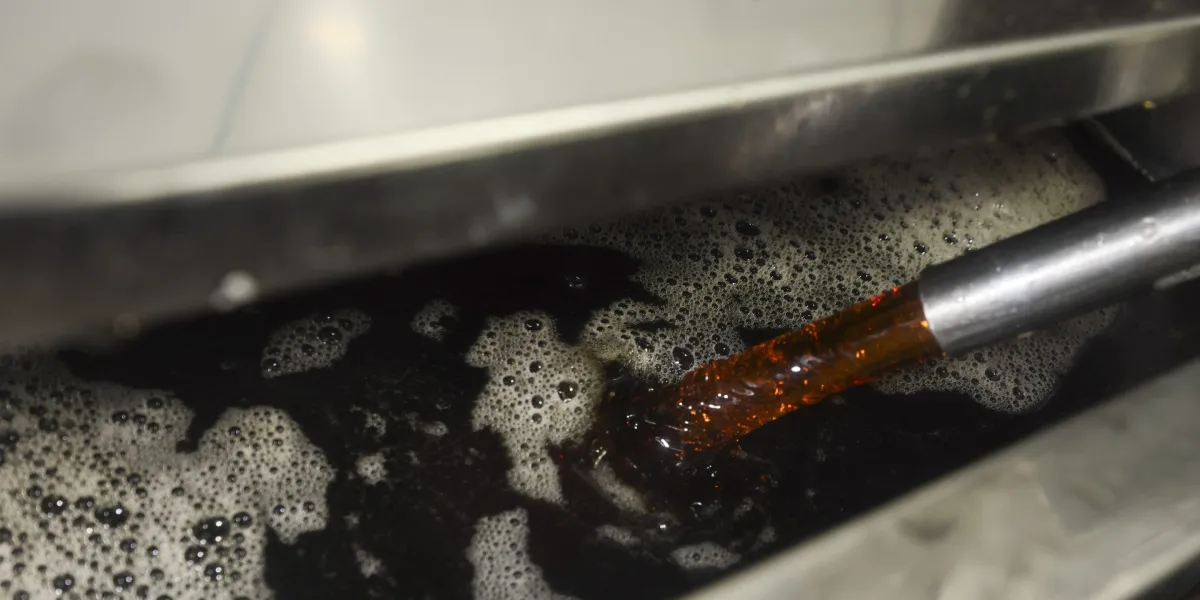
Canada’s maple syrup strategic reserve is expected to be completely depleted by February, leaving Quebec with little stockpiled supply to cushion future swings in production.
The reserve is managed by the Quebec Maple Syrup Producers and is held across three warehouses capable of storing about 218,000 barrels. New syrup will continue to be produced, but the stockpile will no longer be able to provide a buffer if weather disrupts the harvest.
Maple syrup production is heavily dependent on conditions during the tapping season, making output vulnerable to sharp fluctuations. Canadian production fell by 5% last year, while exports rose by almost 16% following 9% growth in 2024.
Demand surged after Donald Trump launched his global trade war, with American buyers moving to secure Canadian syrup supplies ahead of anticipated tariffs. The United States still takes about 65% of Canada’s syrup exports, although that proportion has fallen from 80% two decades ago as producers have expanded into other markets.
Export growth slowed significantly during the first eight months of 2026, increasing by just 2.5% year on year. Canada nevertheless remains the dominant producer, accounting for more than 75% of global output in 2025, with Quebec responsible for 90% of the country’s production.
Simon Doré-Ouellet, deputy general manager of the Quebec Maple Syrup Producers, said the market’s supply was secure for the coming year despite the possibility of unfavourable weather affecting the next production season.
“It is clear, however, that the strategic reserve will need to be replenished over the next few years,” he said. “And a good production year in 2027 would be welcome even though we have little control over that.”
Quebec has increased its production capacity by 50% over the past six years, adding more than 21 million taps where sap can be collected from maple trees. A strong harvest could therefore help rebuild the depleted reserve, although the timing and scale of production remain dependent on weather.
Other countries have also drawn down reserves of essential commodities. Oil-consuming nations have tapped crude stockpiles during the Iran war, while the United States Strategic Petroleum Reserve has fallen to its lowest level since 1982.
Japan reduced its rice reserve last year as prices rose amid poor weather, natural-disaster concerns and panic buying, before moving to a record surplus this year. China also maintains a strategic pork reserve, which was used after swine fever drove prices higher in 2019; more recently, pork prices have fallen by 39% over four years amid weak consumer demand and oversupply.
