


Western Australia’s failure to act early enough on threatened wildlife has been laid bare by the extinction of five Australian marsupials, conservation campaigners have warned.
The International Union for Conservation of Nature confirmed the species as extinct in its Red List update in July, following a taxonomic review. None has been recorded for at least 60 years.
They include the crested-tailed mulgara, a small carnivorous marsupial once found across much of arid Australia, from the Nullarbor to the southern Kimberley, as well as the southern, northern and little mulgaras and the little bettong.
The IUCN said predation by feral cats and foxes had been a major factor in the decline of the species, while climate change was adding pressure to those that remain.
Warnings about the crested-tailed mulgara were missed
The loss of the crested-tailed mulgara was not without warning. Since it was recognised as a distinct species in 2005, researchers had identified habitat loss linked to mining and development, deteriorating environmental conditions and predation as significant threats.
Concerns were also raised over plans connected to the Fortescue Metals Group railway line, with research warning that translocation and trapping operations could fail to capture many animals before major clearing took place.
Despite evidence of population decline, the species remained listed as near threatened on Western Australia’s threatened and priority fauna list. It was removed from the Commonwealth threatened species list in 2019 after the relevant scientific committee concluded that monitoring and population estimates did not provide sufficient grounds for federal protection under the Environment Protection and Biodiversity Conservation Act.
No national or state recovery plan was established for the crested-tailed mulgara. In 2023, researchers studying mulgara declines warned that several species could already have disappeared, suggesting the losses among Australia’s small carnivorous marsupials might be considerably greater than previously understood.
Kelly Boden-Hawes, a senior nature campaigner with the Conservation Council of Western Australia, said the extinctions demonstrated the danger of waiting until species were already in serious trouble before intervening.
“It’s not enough to act only once a species is already in trouble,” she said, arguing that governments needed to tackle the causes of biodiversity loss before wildlife reached the brink.
Conservation can still reverse decline
The IUCN’s assessment also highlighted the numbat as evidence that sustained conservation work can deliver results. The Western Australian emblem has been reclassified from endangered to near threatened after decades of predator control, captive breeding and translocation programmes.
The species was reduced to about 300 animals by the late 1970s. The IUCN said there were now between 2,000 and 3,000 numbats, with at least five additional self-sustaining populations established through conservation programmes involving the Western Australian Government, Perth Zoo and the Australian Wildlife Conservancy.
However, the numbat occupies only a fraction of its former range and remains vulnerable to feral cats and foxes. Bruce Webber, conservation manager at Bush Heritage Australia, compared the improvement to stopping less than a metre from the edge of a cliff rather than reaching safety.
Campaigners say a similar contradiction can be seen in efforts to protect other species. Western Australia is preparing for the threat posed by H5 bird flu, with the state responding to detections in wild migratory seabirds, while habitat clearing and forest mining continue to place pressure on native wildlife.
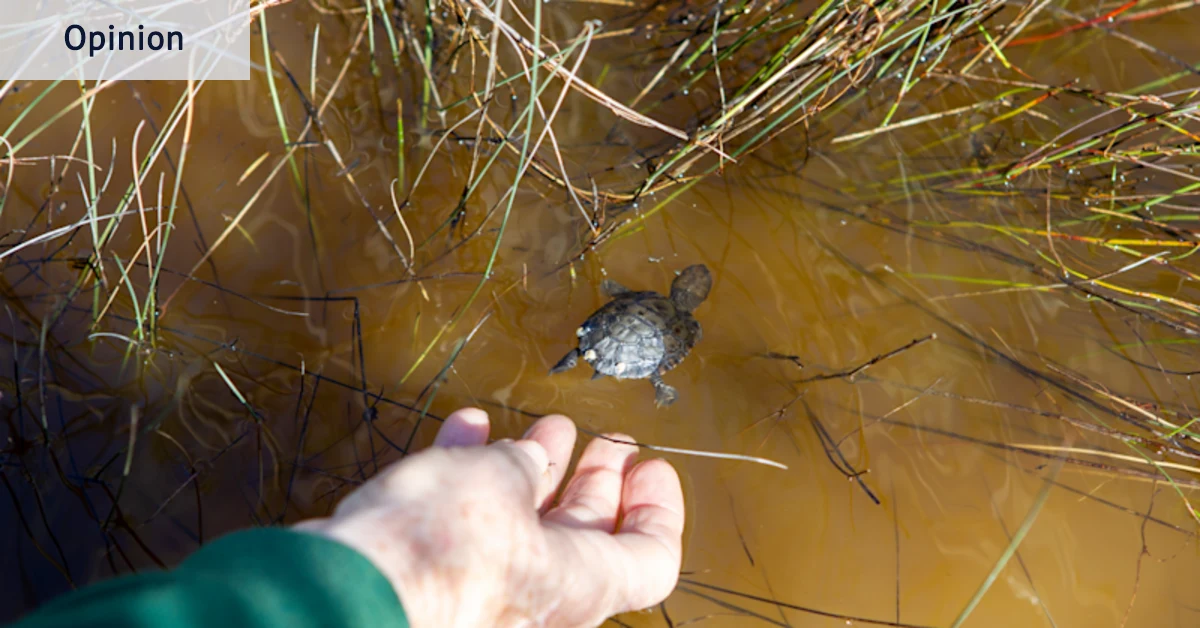
The critically endangered western swamp tortoise faces comparable risks. Its survival depends on vulnerable wetland and groundwater systems around Perth, while development proposals close to critical habitat have prompted concerns over flooding and contamination.
The Conservation Council’s Back from the Brink: A Protection Agenda for Nature calls for stronger biodiversity laws, better assessment and listing of threatened species, properly funded recovery plans and greater consideration of the cumulative impact of development.
It also urges governments to improve monitoring, compliance and enforcement, with measurable targets for halting and reversing biodiversity loss.
The warning comes ahead of National Threatened Species Day on September 7, which commemorates the death of the last known thylacine in captivity. Conservationists say the latest extinctions should serve as a reminder that preventing species from reaching the point of no return is more effective than attempting to rescue them afterwards.
