


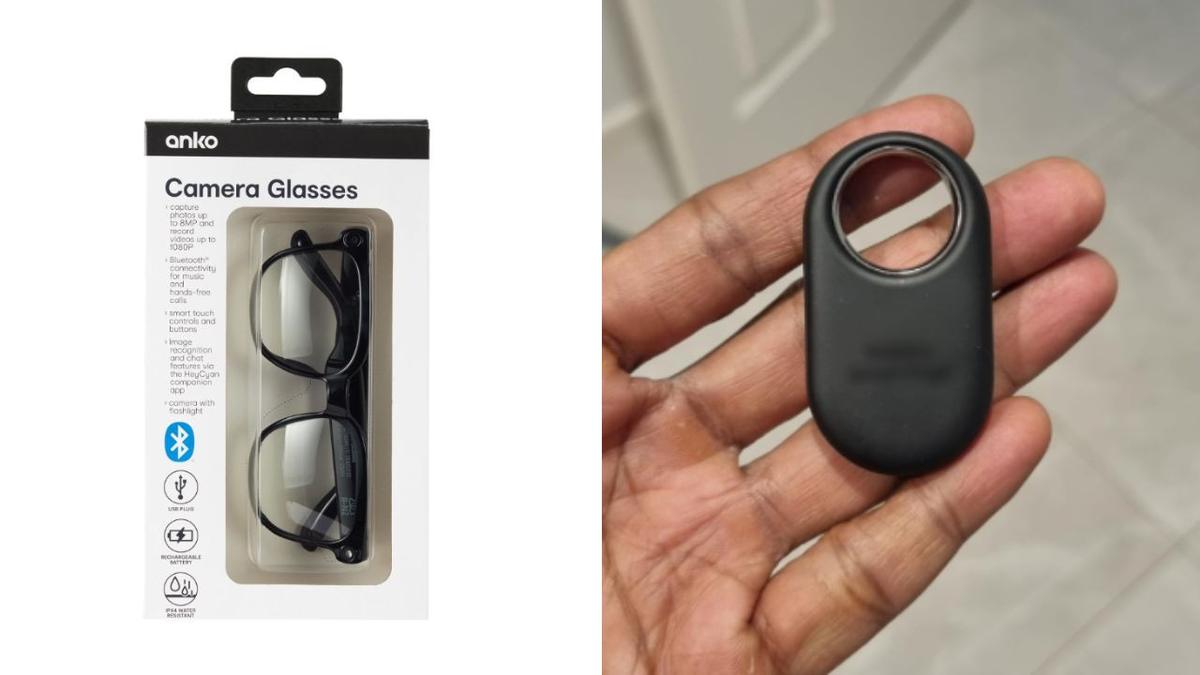
Domestic violence advocates have warned that cheap tracking devices and camera-equipped smart glasses are being used to monitor, stalk and control victims, with technology-facilitated abuse increasingly outpacing Australia’s laws.
Some covert devices are no larger than a coin and are sold online as “nanny cams” or “pet trackers” for as little as $20. Buyers are not required to undergo age checks or provide identification, while there are few restrictions on how the products are used.
Advocates say perpetrators can hide trackers in handbags, cars, prams and children’s toys, while smart glasses may be used to record private conversations or film people without their knowledge.
Micaela Cronin, Australia’s Domestic, Family and Sexual Violence Commissioner, said connected devices were becoming an increasingly common tool of abuse.
“Technology-facilitated abuse is an increasingly common tactic of domestic, family and sexual violence, with people using violence weaponising connected devices and digital platforms to monitor, stalk and control,” she said.
Ms Cronin said manufacturers should consider how products might be misused before they reached consumers, rather than waiting until harm had occurred.
“Governments, regulators and industry all have a role in ensuring technologies are designed to be safe and harder to weaponise – not solely responding after the harm has occurred,” she said.
Human rights lawyer and domestic violence advocate Kon Karapanagiotidis said the lack of safeguards around emerging consumer technology was already causing harm to women.
“This is appalling and shocking and shows the urgent need for reform, oversight and safeguards with new technology which is being exploited and weaponised by violent men to continue their cycle of violence, control and intimidation of women,” he said.
He called for government intervention over products including Meta’s smart glasses and covert tracking devices.
Government consults on smart glasses and privacy
The federal government has opened consultation on proposed privacy reforms covering emerging technology, including wearable information-processing devices such as smart glasses.
Attorney-General Michelle Rowland said the draft legislation did not include an import ban, but the consultation would examine how privacy protections should respond to new devices. The government’s proposals, released on August 31, also address wider risks linked to artificial intelligence and the handling of personal information.
“We haven’t ruled anything out; this is very much a good-faith consultation,” Ms Rowland said.
The Greens plan to introduce legislation aimed at banning the importation of glasses capable of recording people without their knowledge or consent.
Senator David Shoebridge, the party’s digital rights spokesman, said existing laws failed to deal adequately with covert recording through wearable technology.
“These covert wearables are a disturbing technology. They’re built to let someone film you without your knowledge in a change room, on the street, or at your kid’s swimming lesson, and our law does nothing about it,” he said.
Police and courts are also being forced to respond to cases involving devices that can be bought quickly and used without specialist knowledge.
South Australia Police said a 31-year-old man was arrested on September 1 after officers found a tracking device attached to the underside of a car belonging to a woman known to him. He was charged with installing a tracking device on a vehicle without consent and stalking, and was issued with an interim intervention order.
Authorities say covert surveillance may breach intervention orders, privacy laws and stalking offences, depending on the circumstances.
Australia’s eSafety Commissioner lists tracking movements, monitoring online activity and controlling access to devices or accounts among the warning signs of technology-facilitated domestic and family violence.
Police have urged anyone who believes they are being tracked or recorded to seek help immediately and avoid removing a device themselves, as this could compromise an investigation.
