


Egypt is considering a limited military role in support of Saudi Arabia as Houthi attacks intensify, but President Abdel Fattah el-Sisi has stressed that any deployment would be defensive and would not involve direct attacks on Yemen’s rebels.
The Egyptian parliament is due to vote on Monday on the possible deployment of troops outside the country. The vote was delayed by a week while lawmakers considered the proposal.
Cairo’s National Defence Council said on October 18 that Egypt was prepared to provide “all necessary and possible support to Saudi Arabia to defend its safety and stability”. Egypt’s foreign minister, Badr Abdelatty, subsequently called for a political solution to the conflict.
Why Egypt is wary of military involvement in Yemen
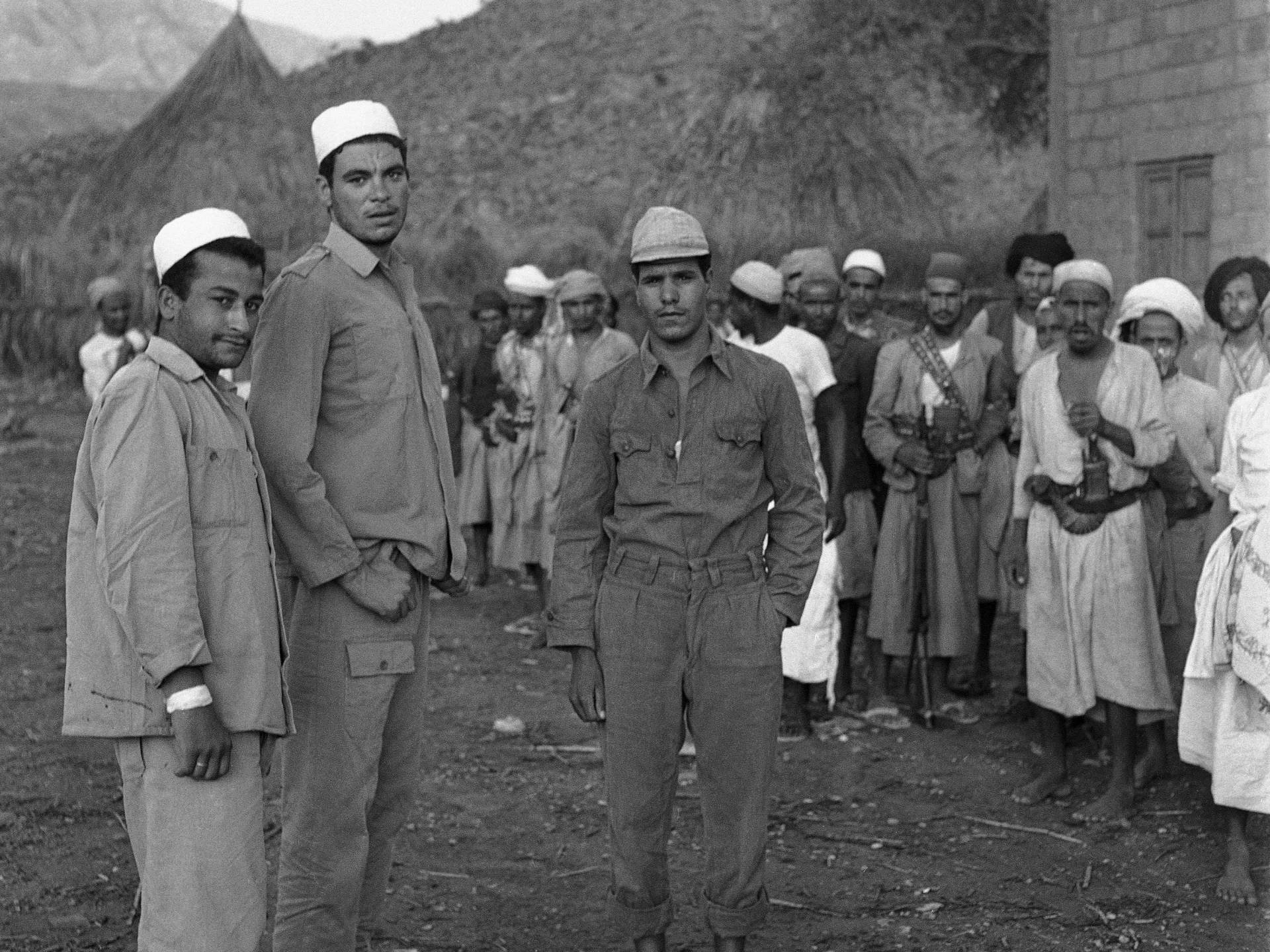
The prospect of intervention has revived memories of Egypt’s costly involvement in Yemen’s civil war in the 1960s. Egyptian forces backed republican fighters against royalists supported by Saudi Arabia after a 1962 revolution overthrew Zaidi Imam Mohammad al-Badr.
The republican side eventually prevailed, but Egyptian troops suffered heavy losses. Egypt withdrew after its defeat by Israel in the 1967 war, and some blamed the Yemen campaign for weakening the military’s readiness for that conflict.
“There is the memory that [Egypt] went to Yemen and faced forces supported by Saudi Arabia, and Egyptian troops were killed there,” said Ahmad Dahshan, editor-in-chief of the Center of Arabic Eurasian Studies.
“Then [the mentality is] that Egypt will send troops to Yemen once again, where they would also be killed, but this time on behalf of Saudi Arabia.”
Egypt is also concerned that taking part in attacks against the Houthis could invite retaliation from the group or Iran. Houthi forces have demonstrated their ability to strike important civilian and military targets in Saudi Arabia.
Any escalation around the Red Sea could also damage Egypt’s economy. A fall in shipping through the waterway would reduce revenue from the Suez Canal, while disruption to energy supplies through the Bab al-Mandeb could push up oil prices.
El-Sisi has said Egypt has already lost 20 billion dollars in potential revenue over recent years because of regional instability, including attacks on Red Sea shipping and turmoil in the Strait of Hormuz.
What support could Egypt provide?
Egypt has not specified the form of assistance under consideration. It could involve operating air-defence systems and interceptors to protect Saudi Arabia from missiles and drones, guarding sensitive installations or helping to secure shipping in the Red Sea.
Egyptian forces could also be stationed near the Saudi-Yemeni border. Such a mission would still carry risks, since Houthi attacks have targeted strategically important sites and border positions inside Saudi Arabia.
“These troops would only be deployed, if they are deployed at all, to contribute to the protection of Saudi territory,” Mr Dahshan said. He added that the discussion may be linked to the possibility of ground forces being used to protect the Saudi border against a Houthi incursion.
Egypt was formally part of the Saudi-led coalition that intervened in Yemen in 2015, although its role in military operations was limited. Saudi Arabia and the United Arab Emirates carried out extensive air raids and deployed forces to work with the Yemeni military and anti-Houthi groups.
Some Yemenis opposed to the Houthis have criticised foreign involvement, accusing the UAE of undermining the independence of the Yemeni government through its alleged support for the Southern Transitional Council. The UAE was forced out of Yemen at the start of the year after a Saudi-backed government offensive against southern secessionists.
Mohammed al-Qadhi, an independent Yemeni political and conflict analyst, said the government needed weapons, economic assistance, logistics and improved command rather than more fighters.
“The Yemeni government just needs political support and economic support, and that has been the case since the war started,” he said. “It needs better coordination and command and control for the forces on the ground.”
Mr al-Qadhi said many Yemenis continued to respect Egypt’s historic support for the republic, but he dismissed the prospect of the Egyptian army playing a similar role today.
