


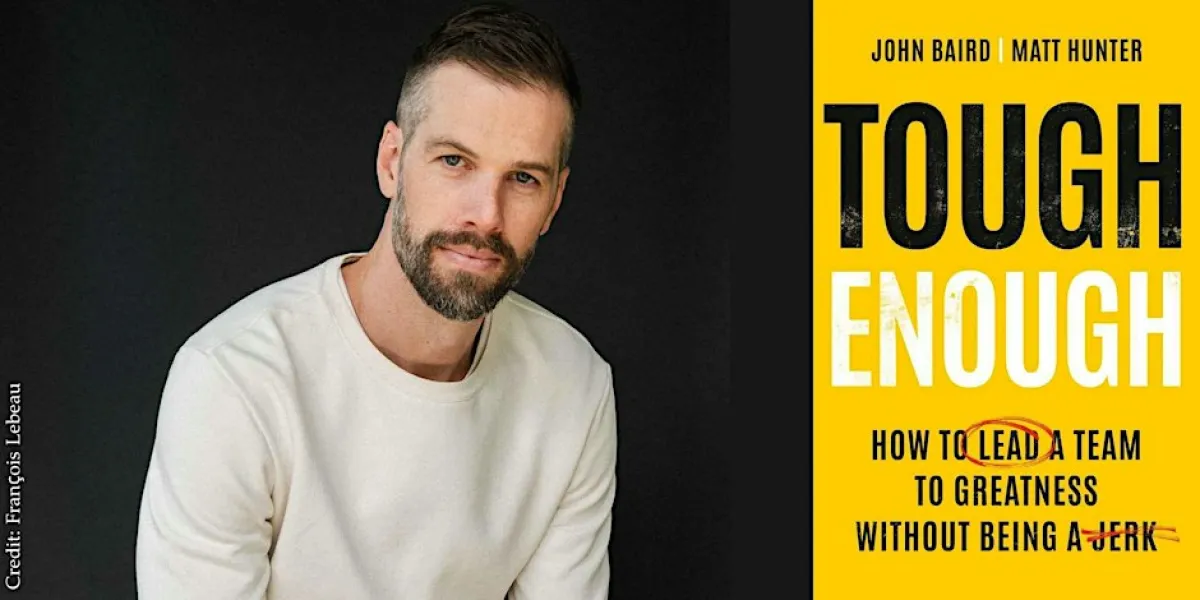
Tough leadership should not be confused with bullying or emotional suppression, according to a commentary arguing that organisations can maintain high standards without creating a culture of fear.
The piece says leaders are often presented with a false choice: act as a ruthless “jerk” to secure results or become so passive that standards decline. It argues that performative hardness is not strength, but a sign of insecurity.
Drawing on experience coaching executives at companies including Apple, Nike and General Motors, as well as fast-growing unicorns, the authors describe genuine toughness as the ability to commit to an ambitious mission, remain self-assured, confront uncomfortable truths and help others produce their best work.
They identify comfort as a barrier to effective leadership. Leaders who avoid difficult conversations, offer vague praise or repeatedly give underperformers more time risk allowing mediocrity to take hold, the commentary says.
Building a culture of accountability
One recommended approach is to create a clear and compelling narrative about an organisation’s purpose. The authors argue that teams facing uncertainty need more than targets: they need a shared sense of belonging and a clear standard of excellence.
Leaders are also urged to assemble teams of capable people who believe in the mission and are willing to work within an environment of high expectations and mutual accountability. The commentary says cultural alignment should not be sacrificed when hiring.
Emotions, it adds, should be used constructively rather than suppressed or unleashed on colleagues. Leaders are encouraged to regulate their own reactions so that passion and urgency can motivate action without creating fear.
Honesty about mistakes is another central theme. The authors say teams should be able to challenge assumptions, admit errors early and provide frank feedback without fearing retaliation.
High standards, they argue, must be supported by clear systems. Expectations, ownership of goals, progress tracking, regular feedback and consequences for work that remains off course should form part of the organisation’s daily rhythm.
The commentary concludes that toughness is not an inborn personality trait but a way of operating that can be developed. Its central argument is that leaders can pursue strong performance while preserving the humanity and dignity of the people they manage.
