


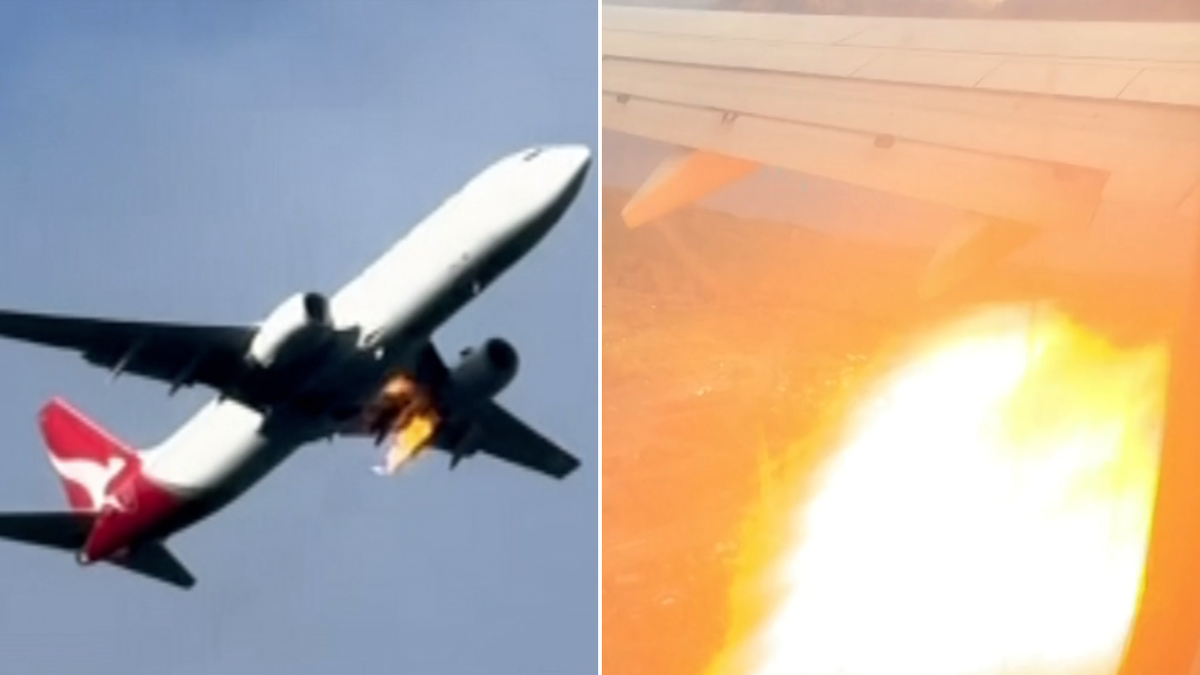
Air traffic restrictions have been imposed across parts of Australia after Airservices Australia activated TIBA procedures, raising fresh concerns about a shortage of air traffic controllers just one day after a Qantas flight was diverted when flames appeared from an engine.
The emergency measure was used for two 45-minute periods on Sunday, beginning at 5pm and 7.45pm AEST. It affected airspace covering routes between Sydney, Melbourne and Canberra, with some Brisbane services also expected to be disrupted.
TIBA, or traffic information broadcasts by aircraft, is used when normal air traffic control services are limited. Pilots must broadcast their positions and intentions to other aircraft, while airlines adjust their flight plans to avoid the affected areas or wait until normal services resume.
The restrictions were expected to cause delays and force some aircraft to take longer routes, increasing journey times and fuel consumption. At least one airline reportedly declined to operate through the TIBA area, citing safety concerns.
Air traffic controller shortage under scrutiny
The measure has rarely been used in metropolitan airspace in recent years and is understood to be linked to staffing pressures at Airservices Australia, the government-owned organisation responsible for managing the country’s air traffic.
Airservices chief executive Rob Sharp said in August that staffing problems had led to measures designed to reduce traffic levels and protect safety, but acknowledged that the approach could result in delays. The organisation has said it expects to endorse 95 new air traffic controllers during 2026, with 55 already operational by August. ([airservicesaustralia.com](https://www.airservicesaustralia.com/statement-from-airservices-australia-ceo-rob-sharp/?utm_source=openai))
Transport minister Catherine King said Airservices had committed to improved rostering practices for Sydney controllers from early September, following widespread disruption at Sydney Airport. ([minister.infrastructure.gov.au](https://minister.infrastructure.gov.au/c-king/media-release/meeting-airservices?utm_source=openai))
The latest restrictions came after Qantas flight QF122 was diverted to Christchurch on Saturday shortly after leaving Queenstown for Sydney. The aircraft landed safely after passengers reported loud bangs, warning lights and flames appearing from the left engine.
Qantas said the aircraft had experienced a suspected engine issue, but both engines remained operational throughout the flight and neither was shut down. The airline said its pilots were trained to manage such incidents and that the plane made a priority landing in Christchurch. ([abc.net.au](https://www.abc.net.au/news/2026-09-05/sydney-bound-qantas-flight-diverted-as-flames-come-from-plane/107120414?utm_source=openai))
Passengers later described hearing repeated explosions around 10 minutes after take-off. One traveller said the aircraft appeared to shake as people screamed, while another reported seeing fire from the engine after crew initially suggested the problem could involve the landing gear.
Specialist engineers have since been flown from Australia to investigate the cause. Aviation experts have suggested a compressor stall as one possible explanation, although no definitive finding has been announced.
A replacement aircraft carrying passengers from the disrupted service returned to Sydney on Sunday, about 24 hours after the original flight was diverted.
