


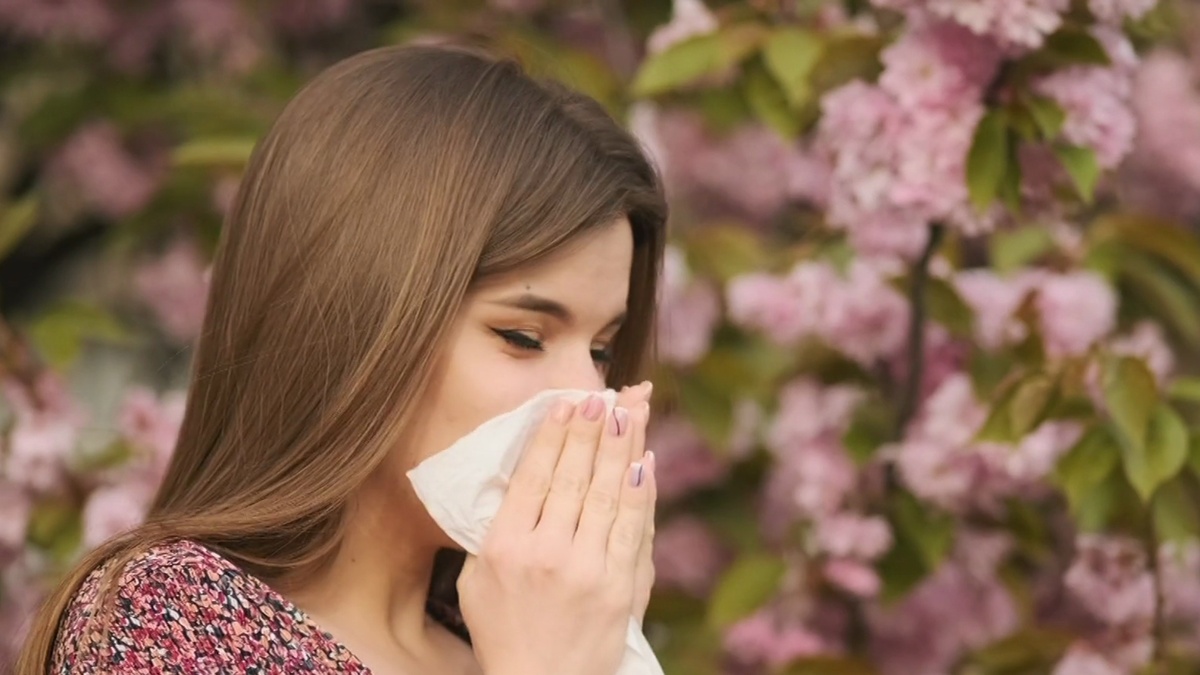
Australians with hay fever have been warned to prepare for an earlier and potentially more severe pollen season, as hot, dry and windy conditions threaten to intensify symptoms across the country.
The arrival of spring is already prompting many sufferers to rely on antihistamines for relief from sneezing, blocked noses and watery, irritated eyes. Some say the condition is so disruptive that they can spend hundreds of dollars each month on medication.
Almost one in four Australians reported having allergic rhinitis — commonly known as hay fever — in the 2023 National Health Survey, according to the Australasian Society of Clinical Immunology and Allergy (ASCIA).
Grass pollen levels typically rise from late September and remain high through December, with the season usually peaking around early November. This year, experts fear the peak could arrive sooner and bring heavier concentrations of pollen.
“Especially because there has been a super El Nino declared. When the conditions are hot and dry and also windy, that’s the perfect time for plants to release their pollen,” aerobiologist Dr Kira Hughes said.
The Bureau of Meteorology says El Niño events often bring drier conditions to central and eastern Australia during winter and spring, as well as higher daytime temperatures in southern areas.
Long-term treatment for hay fever
For people whose symptoms are persistent or difficult to control, allergy specialists are offering immunotherapy — a treatment designed to gradually reduce the immune system’s reaction to a specific allergen.
Dr Aaron Chambers, from Allergy First, said the treatment could involve a monthly injection over three to five years. Daily drops placed under the tongue are another option, although neither treatment is covered by Medicare.
“Well north of 50 to 60 per cent of people have very significant improvement. It’s really the best treatment that’s available for hay fever,” Dr Chambers said.
ASCIA says allergen immunotherapy can reduce the frequency and severity of allergic rhinitis symptoms and may be considered for people whose condition remains severe despite standard treatment.
High pollen levels can also pose a risk to people with asthma. During some thunderstorms, moisture causes pollen grains to burst and release smaller particles capable of travelling deep into the lungs, potentially triggering a serious attack.
People affected by hay fever or pollen-related asthma are advised to remain indoors on windy days and immediately before, during and after thunderstorms. ASCIA also recommends speaking to a doctor or pharmacist about appropriate treatment and ensuring any asthma action plan is up to date.
