


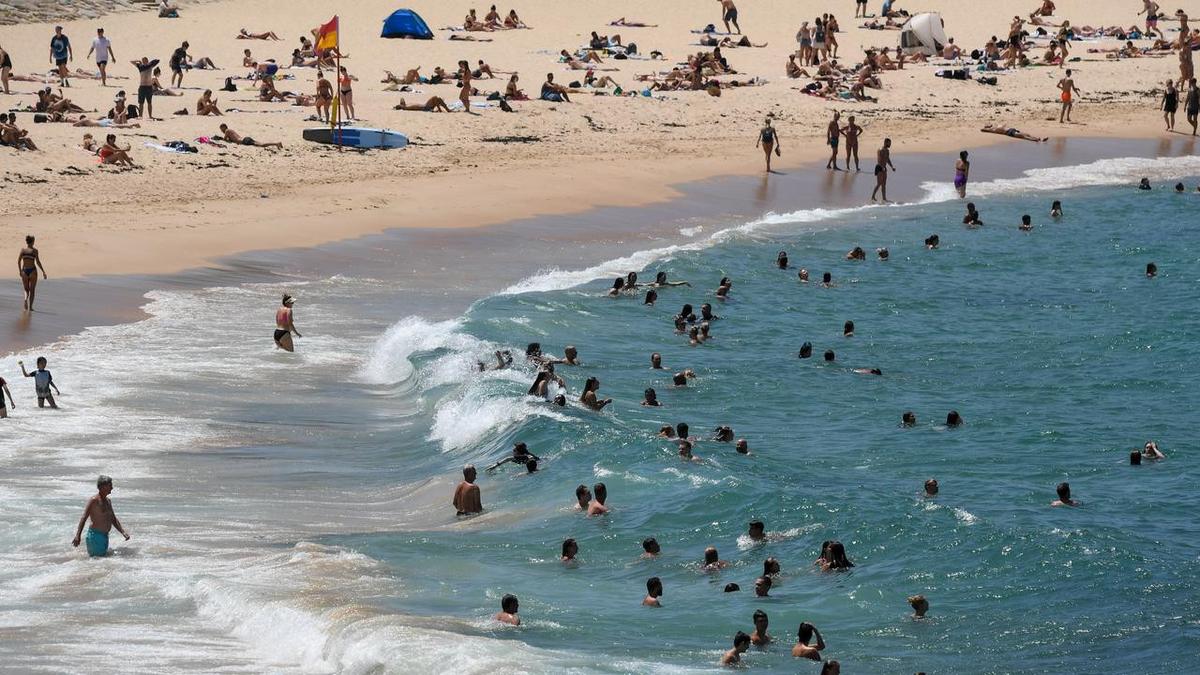
Summer-like heat is set to sweep across eastern Australia this weekend, with Sydney facing an extreme fire danger rating and a total fire ban as temperatures climb towards record levels for early September.
Parts of the city are forecast to reach 33C on Saturday, up to 13 degrees above the usual September average. The Bureau of Meteorology is forecasting 32C for Sydney Olympic Park, while southern Queensland is expected to see temperatures rise into the mid-30s.
Meteorologist Tom Saunders said a strong north-westerly airflow drawing hot air south from the interior would drive the sharp rise in temperatures, with the greatest departures from average expected along the New South Wales coast.
“For Sydney, it’s likely to be the hottest day this early in spring on record,” he told ABC News. He said the first five days of September were on course to average a maximum of 27C, matching Sydney’s midsummer average.
The heat comes after an exceptionally warm winter in south-eastern Australia, with forecasters warning that spring temperatures could average as much as 3C above the baseline recorded in recent decades. That would raise the prospect of the country’s hottest spring on record.
Extreme fire danger forecast for Sydney
Warm, dry and gusty conditions have prompted the New South Wales Rural Fire Service to impose a total fire ban across the Greater Sydney region for Saturday, when the fire danger rating is forecast to be extreme.
The ban covers a wide area including the Blue Mountains, Central Coast and numerous metropolitan council regions. Under the restrictions, fires cannot be lit or maintained in the open, while activities likely to create sparks or flames are also prohibited.
The Rural Fire Service warns that fires are more likely to spread rapidly during hot, dry and windy weather. The service says total fire bans are generally declared when conditions reach the extreme or catastrophic categories.
Australia’s national council for fire and emergency services has also identified an elevated bushfire risk across northern and south-eastern New South Wales, south-east Queensland, north-eastern Tasmania, parts of Western Australia, South Australia and Victoria, as well as large areas of the Northern Territory.
AFAC chief executive Rob Webb said the heightened risk reflected dry conditions in eastern Australia and heavier fuel loads across parts of central and northern regions. He cautioned that bushfires could still occur in areas with a normal seasonal outlook and urged communities to remain alert to local warnings.
