


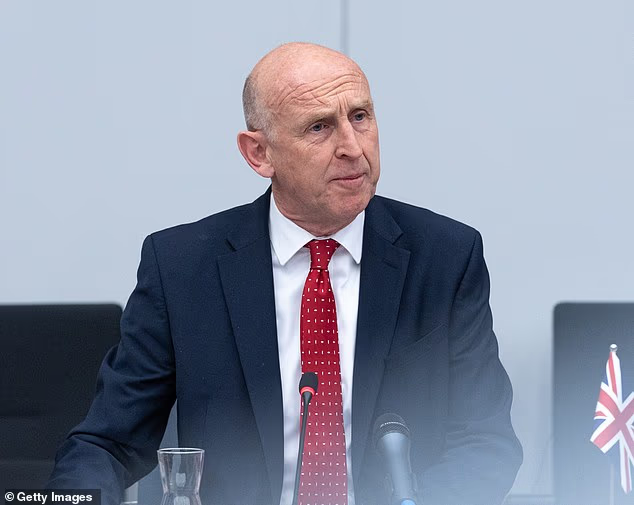
John Healey is planning to deploy 2,000 anti-fraud experts in Jobcentres in an effort to tackle benefit fraud and save taxpayers £1.4 billion.
The officials are expected to work alongside Universal Credit work coaches, identifying suspicious claims at an early stage. The move is expected to be announced at the Budget.
Stricter checks on claimants who travel abroad are also planned, targeting people accused of failing to report that they have left the country while continuing to receive payments.
New data-led checks will be used to identify possible breaches of benefit travel rules and expose claims believed to be bogus. Officials have also identified cases involving altered documents and false addresses.
One claimant received almost £39,000 while living in Zimbabwe and collecting rent from a property in the UK, according to the details released ahead of the Budget.
In another case, a Universal Credit claimant in the Midlands applied for help with childcare costs but gave the address of a derelict building.
A Treasury spokesman said: “We need to make the most of every pound of taxpayers’ money and cut fraud to ensure the welfare system is fair and sustainable.”
“At the Budget, we’re rooting out those who abuse the welfare system, while protecting those who need it most.”
Benefits bill expected to rise
The crackdown comes as the benefits bill is forecast to increase by £5.5 billion next year, more than the Treasury had budgeted for under Office for Budget Responsibility forecasts.
An analysis by the Institute for Fiscal Studies estimated that total welfare spending would rise by about £5.5 billion in 2027, as much as £2.2 billion above the amount previously forecast.
Many benefits are increased each April in line with the Consumer Prices Index inflation rate recorded the previous September. Official figures showed inflation had reached 3.5 per cent in September, compared with an OBR forecast of 2.3 per cent across 2026.
The rise, from 3.1 per cent in August, was attributed to higher fuel costs linked to the war in Iran.
The Prime Minister has said he will “bring the welfare budget down”, while Andy Burnham has rejected what he called “crude” cuts to benefits.
The Government is expected to publish reports on youth unemployment and disability benefits before introducing wider welfare reforms next year. Ministers are understood to be preparing for the initial cost of measures aimed at tackling youth inactivity to outweigh planned benefit reductions for the next two years, until 2029.
That could leave the benefits bill, currently estimated at about £160 billion, continuing to rise into the 2030s.
Helen Whately, the Conservative shadow work and pensions secretary, said: “Higher inflation means higher benefit bills, piling more pressure on the public finances while families and businesses are already struggling with rising costs.”
“Labour’s tax rises and red tape are driving up costs for businesses. At the same time, the Government are handing out billions more in welfare, leaving hardworking taxpayers to foot the bill.”
