


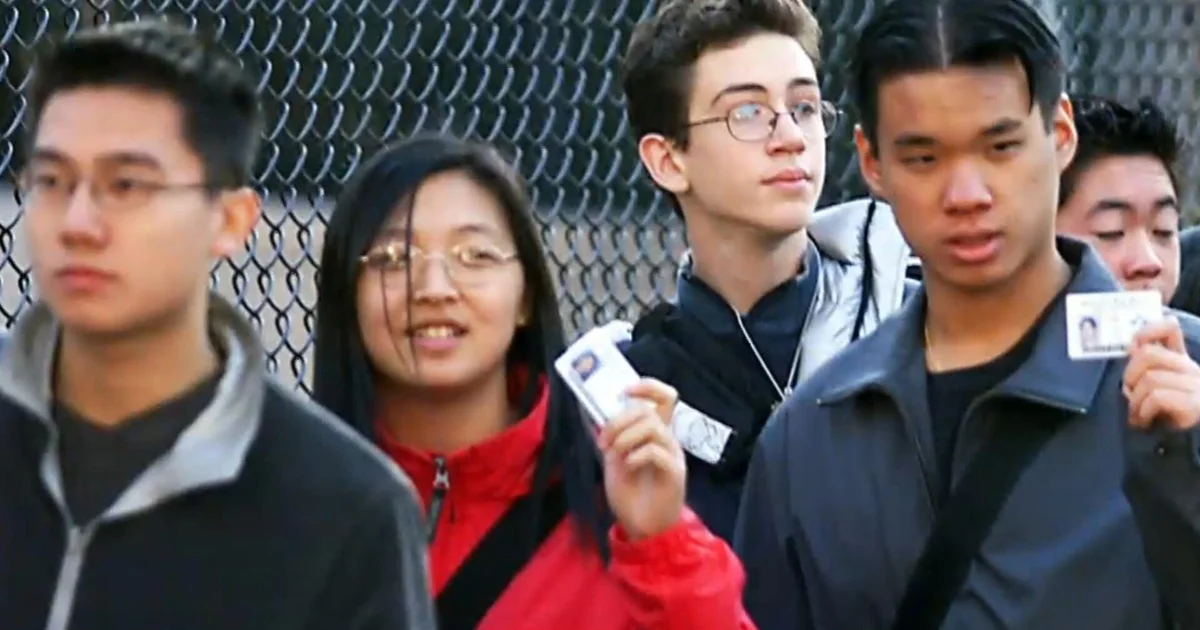
Students who were inside Stuyvesant High School, just three blocks from the World Trade Center, when the September 11 attacks took place are being revisited 25 years later, as questions over the lasting health effects of toxic dust continue to shape their lives.
Among them is Lila Nordstrom, who was a 17-year-old senior at the Manhattan school in 2001. She later became an advocate for former students and others exposed to contamination around Ground Zero, and wrote Some Kids Left Behind: A Survivor’s Fight for Health Care in the Wake of 9/11.
Nordstrom has described watching the planes hit the Twin Towers from the classroom before a dust cloud swept towards the school. She was among the first pupils to leave when the evacuation order was issued, stepping outside as the second tower collapsed and then walking for hours towards Queens.
Stuyvesant was subsequently used as a command centre during the rescue and recovery operation. Students were temporarily moved to another school, but returned to the building on October 9, less than a month after the attacks, while fires were still burning at the World Trade Center site.
In testimony to Congress, Nordstrom said the school had not been adequately cleaned before pupils came back. She said ventilation filters were not replaced until January 2002, while air vents containing World Trade Center dust were not cleaned until the following summer.
She also raised concerns about the debris operation immediately outside the school. Trucks carrying material from Ground Zero passed the building throughout the clean-up, with barges positioned close to its air-intake system, exposing pupils to smoke and dust for months.
Nordstrom founded StuyHealth in 2006 to represent former students who had been exposed as children during the clean-up. The organisation has pressed for young survivors to receive greater recognition and access to medical support through the World Trade Center Health Programme.
Twenty-five years on, the experience of Stuyvesant’s students remains a reminder that the consequences of September 11 did not end when the towers fell. For many of those who returned to Lower Manhattan as teenagers, the health crisis emerged gradually and has continued long after the site itself was cleared.
