


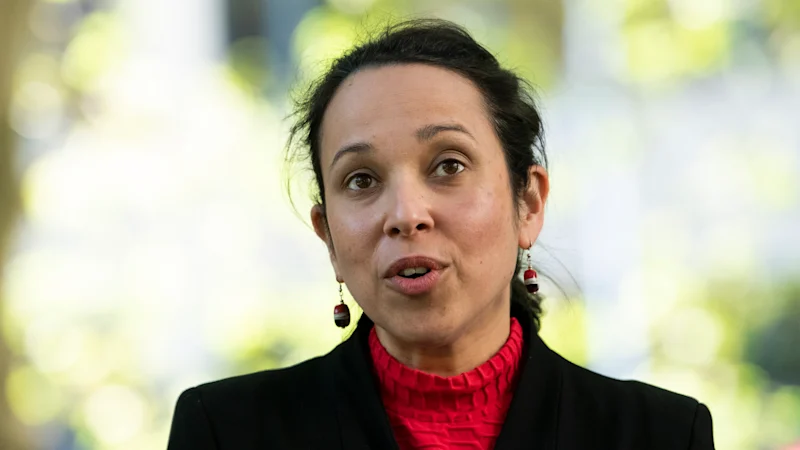
Influenza cases in Queensland have reached their highest weekly level of the year, prompting the state’s Chief Health Officer, Dr Marianne Gale, to urge residents to get vaccinated before the free programme ends on September 30.
There have been 20,876 cases recorded so far in 2026, with infections rising sharply over the past six weeks. Queensland Health reported 2,930 cases in the week ending August 30, up 44 per cent on the previous week and the highest weekly total recorded this year. ([health.qld.gov.au](https://www.health.qld.gov.au/newsroom/news/cho-calls-for-more-vaccinations-ahead-of-later-flu-peak?utm_source=openai))
Unvaccinated people have accounted for 84 per cent of flu-related hospitalisations since March 1, according to the state health authorities.
Dr Gale said the delayed peak had made this an unusually shaped flu season, possibly because last year saw a record number of cases and because a second wave of the so-called “Super-K” strain from Europe circulated during December and January.
“These factors change the population’s immunity to flu, which is likely why we’re seeing a different-looking flu season this year,” she said.
Free Queensland flu vaccinations continue until September 30
About 1.7 million Queenslanders have received a flu vaccine this year, including 31,260 more children and adolescents than at the same point last year. Queensland Health said vaccination coverage among young children had risen by nearly 8 per cent. ([health.qld.gov.au](https://www.health.qld.gov.au/newsroom/news/cho-calls-for-more-vaccinations-ahead-of-later-flu-peak?utm_source=openai))
Everyone aged six months and over is eligible for a free influenza vaccination in Queensland until September 30. The jab is available through GPs, pharmacies, community clinics and other registered providers, and residents do not need a Medicare card to take part in the state-funded scheme. ([health.qld.gov.au](https://www.health.qld.gov.au/clinical-practice/guidelines-procedures/diseases-infection/immunisation/schedule/2026-free-flu-vaccination-program?utm_source=openai))
Annual vaccination is particularly recommended for children, older people, pregnant women, Aboriginal and Torres Strait Islander peoples and those with medical conditions that increase the risk of serious complications.
Dr Gale also advised people with flu symptoms to remain at home and seek medical help if they were concerned or considered themselves at increased risk of becoming seriously unwell.
