


Rescue teams drill into Nepal tunnels as hopes rise for trapped workers
Rescue teams in Nepal are working to reach workers believed to be trapped inside hydropower tunnels after catastrophic flooding swept through the Himalayan country, raising hopes that some may still be brought out alive.
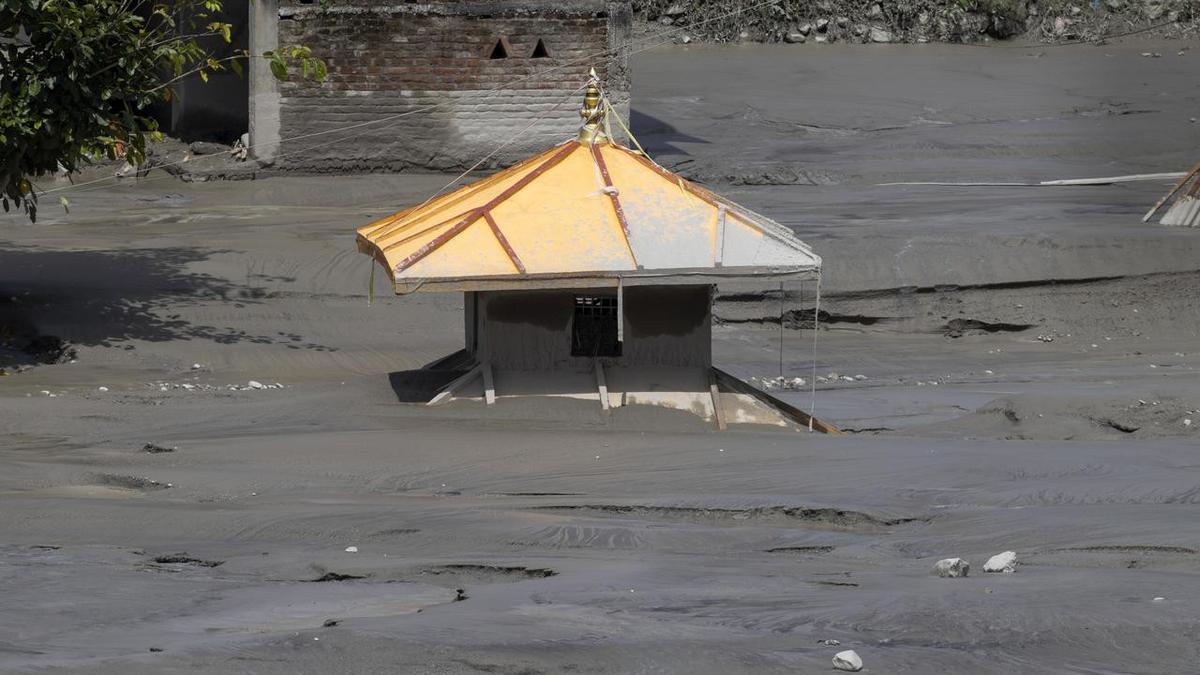
The floods struck the Bhote Koshi River area of Rasuwa district on Wednesday, 26 August, sending torrents of water, mud and debris through several hydropower construction sites near the border with Tibet. More than 100 workers are still thought to be trapped across multiple tunnels, according to Nepalese authorities.
The Nepali Army has already rescued about 350 workers and local residents from a tunnel at the Upper Trishuli hydropower project. Soldiers reached those stranded in extremely dangerous conditions, using helicopters and moving through unstable, mud-filled terrain.
At the Trishuli 3A and 3B projects, teams have resumed efforts using drilling machines, excavators, hydraulic cutters and other heavy equipment. Nepal’s energy ministry said four holes had been drilled at one site, with preparations under way to enter the tunnel directly. Rescuers have also been preparing to pump air inside and use cameras to search for survivors.
Rain and rising river levels have repeatedly disrupted the operation, while thick mud and damaged infrastructure have made the main tunnel entrances difficult to reach. Nepal has deployed thousands of troops to the rescue effort and is working with specialists from India and China.
The floods have devastated communities along the Nepal-Tibet border, destroying roads and bridges and damaging hydropower facilities. Officials say hundreds of people have died and thousands remain missing, while the scale of the destruction continues to emerge as rescue teams reach isolated areas.
Authorities have warned of further flooding in some areas, adding urgency to the search for those underground. Families of the missing are awaiting confirmation as rescuers race against time to determine whether air pockets or sheltered sections of the tunnels may have allowed workers to survive.
