


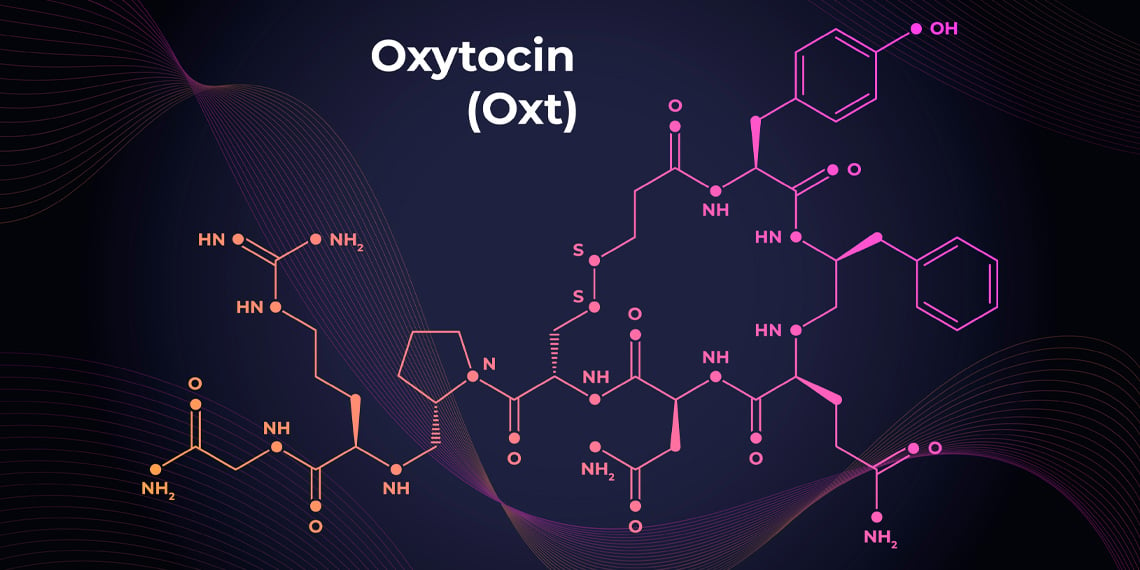
A new study explores whether the body’s oxytocin system acts as a biological risk factor for Functional Neurological Disorder. The findings suggest that while genetic variations in the oxytocin receptor gene do not directly cause the condition, interactions between genetics, epigenetics and circulating hormones may help explain how patients process physical sensations and their history of childhood trauma. The research appears in Comprehensive Psychoneuroendocrinology and was led by Natascha Stoffel of the University of Fribourg in Switzerland.
Functional Neurological Disorder sits at the boundary between psychiatry and neurology. Patients experience genuine physical symptoms such as tremors, weakness, or non-epileptic seizures, yet these symptoms are not produced by traditional structural brain disease. A notable feature among many patients is a history of adverse life events, including childhood trauma or emotional neglect, often accompanied by difficulties with interoception—the brain’s ability to sense internal bodily signals.
Interoception refers to how the brain processes signals like hunger, heart rate, and changes in breathing. In several stress-related conditions, this internal sensory system can become disrupted, making it harder for individuals to recognise or interpret bodily states.
The researchers focused on the oxytocin system, a hormone and neural messenger known to regulate stress, emotion and social behaviour. They hypothesised that altered processing of oxytocin could influence a person’s stress response and their awareness of internal bodily signals.
Three components of the oxytocin system were examined: genetics, specifically variations in the oxytocin receptor gene; epigenetics, the chemical tags that regulate gene activity without altering the DNA sequence; and actual circulating oxytocin levels measured in saliva.
The study analysed data from 89 adults, after three of the original 92 participants were excluded due to missing genetic data. The cohort comprised 41 patients diagnosed with Functional Neurological Disorder and 48 healthy controls. Blood samples were used to extract DNA and determine oxytocin receptor gene variants, while two regions of the gene were assessed for methylation. Saliva samples were collected four times daily to gauge oxytocin levels.
When comparing the two groups, the researchers found no differences in the distribution of oxytocin receptor gene variants, nor in baseline epigenetic methylation rates between patients and controls.
However, an interaction emerged when salivary oxytocin data were included. Patients with Functional Neurological Disorder who carried a particular variant of the oxytocin receptor gene—the GG genotype—exhibited higher salivary oxytocin levels than healthy controls with the same genotype.
In healthy individuals, oxytocin typically increases in response to social bonding, parenting or physical activity. In the patients studied, the elevated oxytocin appeared to occur independently of these usual triggers, suggesting a genetic vulnerability that could drive abnormal oxytocin release in daily stress for those with the disorder.
In the second stage, researchers explored whether combining genetic and epigenetic data with salivary oxytocin could help explain interoceptive abilities. Participants undertook a breathing task to assess sensitivity to respiratory resistance and completed a questionnaire on perceived bodily sensations. Statistical models showed that adding the biological markers did not improve predictions of interoceptive performance for either group.
The team then examined whether these biological markers related to self-reported childhood trauma. Using a standard trauma questionnaire, they found that incorporating the oxytocin receptor genetics, methylation data and salivary oxytocin levels improved the model’s fit to trauma scores. Specifically, higher methylation at a region of the oxytocin receptor gene was associated with lower reported trauma scores.
The researchers cautioned that the findings should be interpreted carefully. The sample size of 89 adults limits statistical power, and simulations suggested a study would require around 400 participants to reliably detect the genetic effects observed.
Limitations also include using blood samples to measure epigenetic markers, which may not perfectly reflect brain tissue methylation, and saliva-derived oxytocin levels, which might not exactly mirror concentrations acting within the central nervous system. Moreover, the study design cannot determine the direction of causality between trauma, oxytocin system changes and symptom reporting, underscoring the need for longitudinal research.
The study, The Oxytocinergic System in Functional Neurological Disorder: Preliminary Testing of Associations with Interoception and Childhood Trauma, was authored by Natascha Stoffel, Juan Ansede-Bermejo, Cristina Concetti, Ángel Carracedo and Selma Aybek.
