


Pacific leaders have formally registered concern over China’s recent intercontinental ballistic missile test, after the weapon passed over several member states without adequate warning.
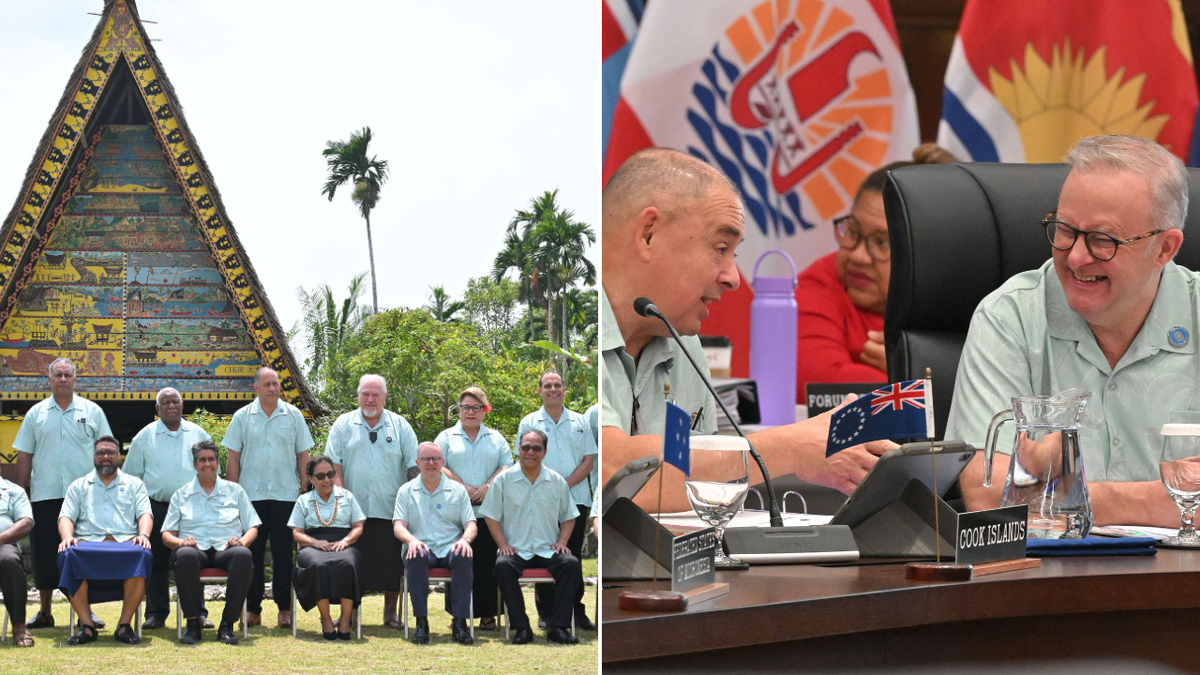
The position was set out in the final communiqué of the 55th Pacific Islands Forum in Koror, Palau, which called on countries conducting such tests to provide at least 24 hours’ advance notice.
The communiqué did not name China directly, but the statement followed a July test which reportedly crossed parts of the airspace of the Philippines, Palau and the Federated States of Micronesia before landing in the Pacific.
It said the test had “overflew a number of Members without adequate notice” and called for greater transparency and reassurance in line with international practice.
Nauru dissented from the wording, while Kiribati was absent from the final leaders’ retreat. The disagreement exposed divisions within the 18-member forum over how directly to address Beijing’s actions.
Australian Prime Minister Anthony Albanese defended the decision to criticise China, despite the United States also conducting missile tests in the Pacific.
“The US gives proper notice and has an agreement with the Marshall Islands,” Mr Albanese said.
He said the Chinese missile had been launched from a submarine with “very little notice” and travelled across the region before landing near Nauru and Tuvalu.
“That is why it brought such a strong response from the Pacific, including from Australia,” he said.
Palau’s President Surangel Whipps Jr said the test had threatened the region’s sense of security and sovereignty.
“Why does it have to come to the middle of the Pacific when last year we just signed a declaration of peace for the Pacific,” he said. “We don’t want our backyard and our homes to be threatened – and really, disrespected.”
Pauline Hanson threatens to scrap Pacific climate funding
The dispute over missile testing came as One Nation leader Pauline Hanson vowed to abolish Australian funding for climate-related projects in the Pacific if her party entered government.
Australia delivered $3.9 billion in international climate finance between 2020 and 2025, including about $1.3 billion for Pacific countries, largely to help them adapt to the effects of climate change.
Mr Albanese said the support would continue, arguing that climate change remained the overriding concern raised by Pacific leaders.
“We know when we talk to our Pacific friends, always the first, second and third priorities are climate change, climate change and climate change,” he said.
Ms Hanson said One Nation would scrap the programmes, claiming there was insufficient accountability.
“I wouldn’t give the Pacific Islands any funding whatsoever towards climate change,” she said. “That would not happen under One Nation. We’d scrap the whole lot.”
