


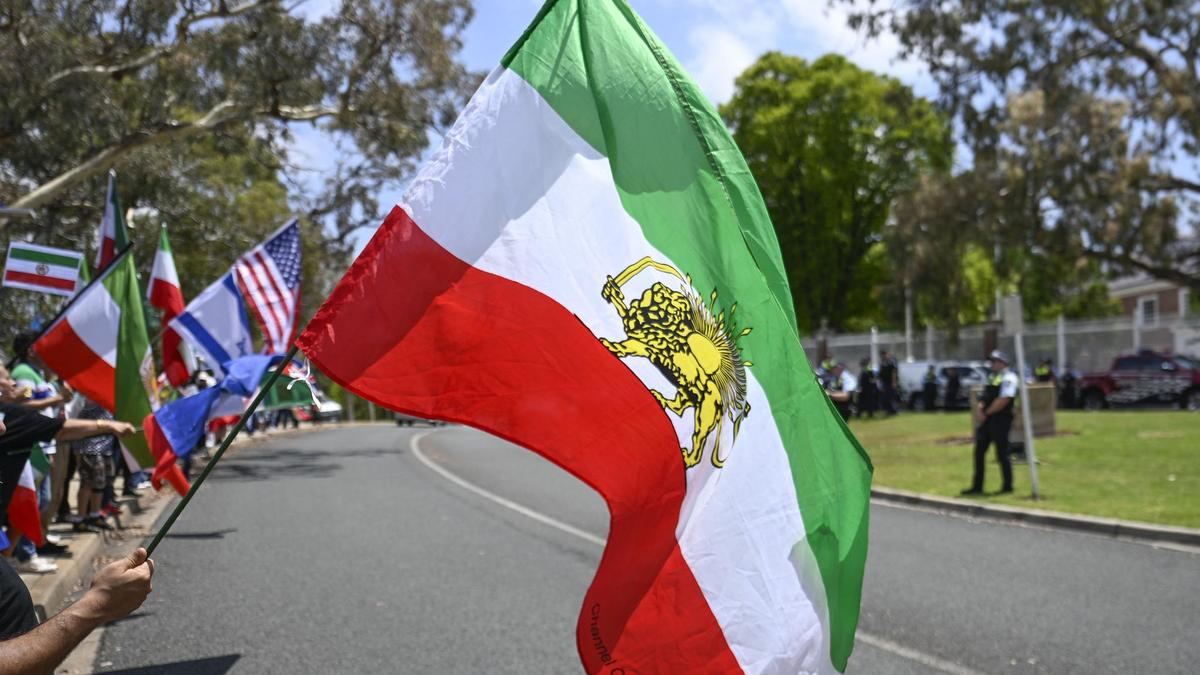
Iran’s exiled crown prince Reza Pahlavi has accepted an invitation from Australia’s opposition Coalition to visit the country, opening the way for talks with politicians and members of the Iranian-Australian community.
The visit is expected to follow an initial virtual meeting with Ted O’Brien and Coalition colleagues in the coming weeks. No date has been fixed, and the invitation was made without prior consultation with the Albanese government.
Mr O’Brien, the Coalition’s foreign affairs spokesman, said the move was a response to Iranian-Australians seeking a greater say in discussions about Iran’s future.
“Many Iranian-Australians look to Mr Pahlavi as an important voice of hope for a different future and the Coalition believes those calls for engagement deserve to be heard,” he said.
Mr Pahlavi is the son of Mohammad Reza Pahlavi, the former shah of Iran, whose family fled the country during the 1979 Islamic Revolution. He has lived in the United States since leaving Iran and has become a prominent advocate of secular and democratic reform.
Mr O’Brien stressed that the invitation did not amount to support for a particular form of government or an endorsement of Mr Pahlavi as Iran’s future leader.
“It is not for Australia to determine who should lead Iran or what form its future government should take,” he said. “Iran’s future belongs to the Iranian people.”
He said Australia should nevertheless be willing to hear from figures campaigning for a peaceful alternative to the Islamic Republic, which the Coalition accuses of repressing its citizens and supporting violence overseas.
A spokeswoman for Foreign Minister Penny Wong said Australia stood with Iranians “across all segments of society” in opposing oppression. The government has also described the Iranian regime as a destabilising force because of its nuclear programme, backing for armed proxies and alleged acts of violence and intimidation at home and abroad.
Mr Pahlavi’s supporters have urged Australia to increase pressure on Tehran, including by closing Iran’s embassy in Canberra and taking further action against networks linked to the Islamic Revolutionary Guard Corps.
However, the former royal remains a divisive figure among Iranian opposition groups, with some rejecting the prospect of a return to monarchy and others retaining bitter memories of his father’s rule.
Suren Edgar, vice-president of the Australian Iranian Community Alliance, said Mr Pahlavi was nevertheless one of the opposition’s most recognisable international figures and could help bring rival groups together during any transition.
“That support is not limited to monarchists – there are also people who may ultimately prefer a republic but nevertheless see him as an important figure in bringing different parts of the opposition together during a transition,” he said.
Mr Edgar welcomed the proposed visit and called for Mr Pahlavi to meet parliamentarians from across the political spectrum, as well as members of the Iranian-Australian community.
Australian government officials are understood to be open to meeting Mr Pahlavi if arrangements can be made, although the government has not committed to a formal visit programme.
