


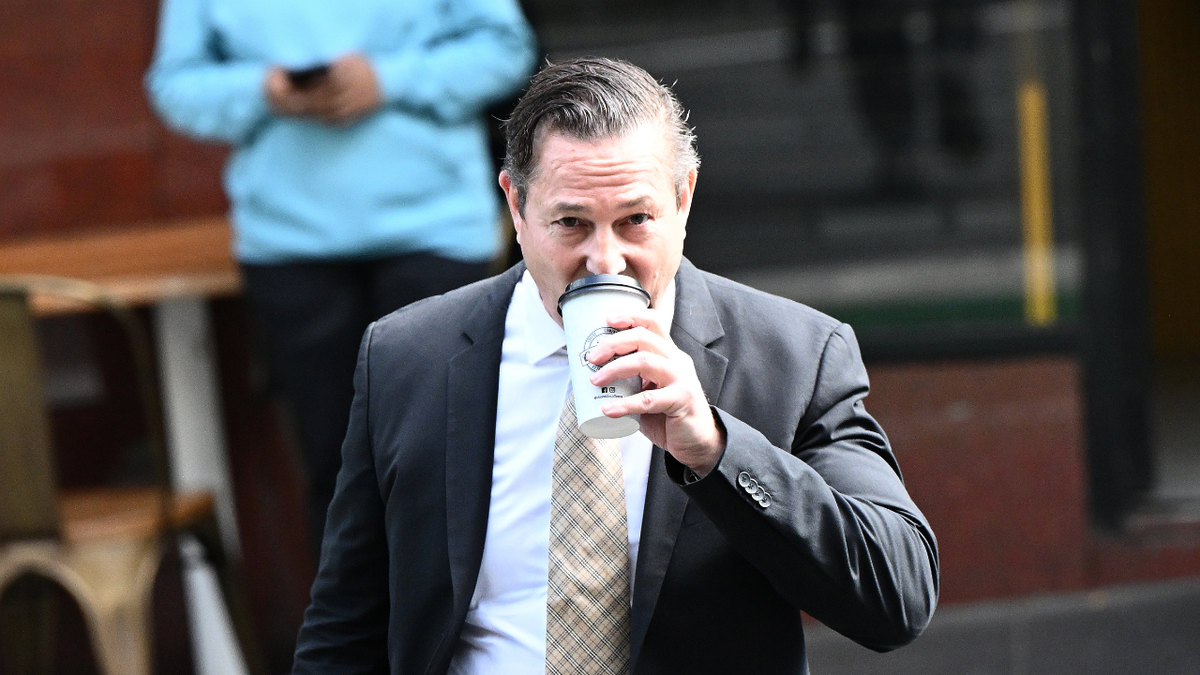
Sydney businessman Alexander Csergo has been jailed for three-and-a-half years after being found guilty of recklessly interfering on behalf of suspected Chinese spies.
The 59-year-old was convicted in the New South Wales District Court of providing reports on Australian mining, politics, defence and security to two people he knew as “Ken” and “Evelyn”. He is expected to be eligible for parole next month after time already spent in custody.
Csergo ran a consultancy in Shanghai and first made contact with the pair through LinkedIn in November 2021. The relationship continued for about 16 months, during which he met them in cafes and restaurants, sometimes in almost empty venues, and handed over printed reports and USB drives.
In return, he received cash in envelopes, with payments rising from about A$1,000 to as much as A$6,000. The subjects requested included lithium mining, defence, the Quad security dialogue and the AUKUS submarine agreement between Australia, Britain and the United States.
Prosecutors said Csergo should have realised the pair were linked to China’s Ministry of State Security. The jury heard that he exchanged about 2,800 messages with Ken and kept a handwritten “shopping list” of topics to investigate after returning to Australia.
That list was discovered when officers from the Australian Security Intelligence Organisation and Australian Federal Police raided his Bondi home in March 2023. Csergo was arrested the following month after returning from Shanghai and spent about 15 months on remand before being granted bail in June 2024.
His lawyers argued that the material he supplied had been gathered from open sources and that he had deliberately presented fabricated or exaggerated information. The court also heard that he falsely claimed to have interviewed people including former Australian prime minister Kevin Rudd, who denied ever meeting or speaking with him.
Csergo told police he believed he was under surveillance in China and said he suspected the consultancy was connected to the authorities. Prosecutors argued that he could have alerted Australian officials but continued the arrangement because of the money involved.
The case is the first conviction for reckless foreign interference, an offence introduced in Australia in 2018 and carrying a maximum sentence of 15 years. Csergo had previously complained about the search of his home in an email to Foreign Minister Penny Wong.
