


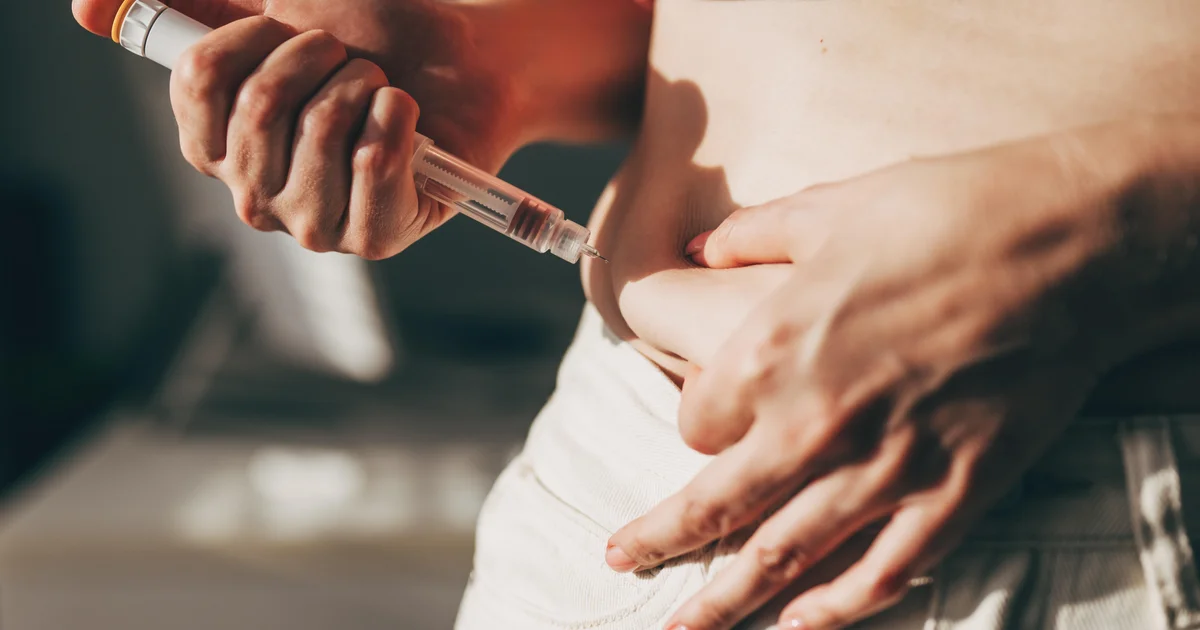
More Americans are now taking GLP-1 weight-loss drugs than using them for diabetes and other medical conditions they were originally prescribed to treat, new research suggests.
About 54% of people taking semaglutide medicines such as Ozempic and Wegovy said they were using them to lose weight, according to EY-Parthenon. The finding comes from a survey of almost 15,000 people, including 3,602 current or former GLP-1 users.
The growing use of the medicines for weight management is also influencing what consumers eat and buy. Among GLP-1 users, 63% said they had reduced their consumption of sweet snacks, while 57% reported eating fewer salty snacks.
Food manufacturers, supermarkets and other retailers are responding by expanding their ranges of protein-enhanced products, GLP-1-focused foods and smaller portion sizes.
“We are finding that manufacturers and retailers are making more room on store shelves for GLP-1-diet-specific foods, or protein-enhanced items, and smaller portion sizes,” Don Johnson, a principal in EY-Parthenon’s consumer strategy practice, said.
“Some consumer packaged goods makers thought this was a blip or fad. Now I don’t hear that. Everyone accepts that this is a structural change that’s not going away.”
GLP-1 use reshapes clothing and fitness spending
The impact is extending beyond food. EY-Parthenon found that 72% of GLP-1 users had moved into smaller clothing sizes after losing weight, prompting many to refresh their wardrobes.
Users were also reported to be choosing more fitted clothing, swimwear and sportswear. Around half increased their spending on fitness services such as gym memberships, while 46% switched clothing brands.
“You’re losing a lot of weight on the drugs, so you’re needing to buy differently,” Mr Johnson said.
Wider availability and lower prices are helping to broaden use of GLP-1 medicines, the research found, with more younger, lower-income and male consumers taking them. The drugs are also available in more forms, including pills.
A deal between the Trump administration and manufacturers Eli Lilly and Novo Nordisk lowered the monthly cost of Ozempic and Wegovy to between 150 and 350 dollars, down from about 1,000 dollars, according to the research. A Medicare GLP-1 Bridge programme provides eligible beneficiaries with access to the medicines for 50 dollars a month.
Researchers at the Wharton School of the University of Pennsylvania are separately studying whether GLP-1 drugs could influence other behaviours. Their study will examine the medicines’ effect on the brain’s reward system and whether they reduce temptations including luxury spending and gambling.
