


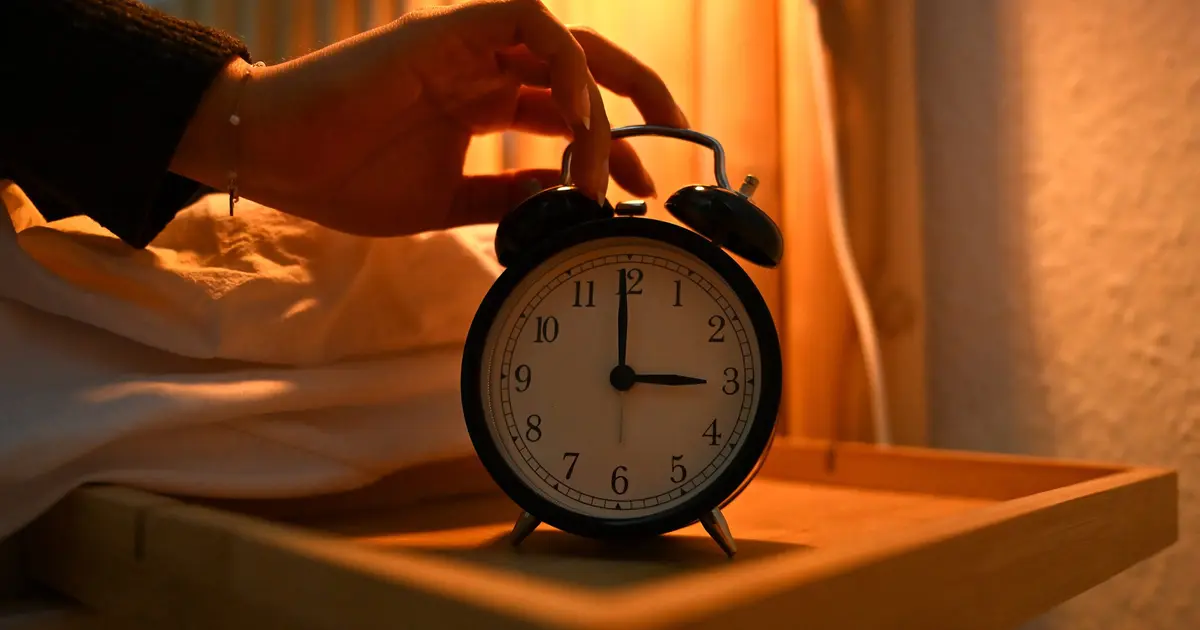
Millions of Americans will turn their clocks back by one hour on Sunday 1 November, after efforts to make daylight saving time permanent stalled in the US Senate.
The change will take place at 2am local time in most parts of the country, when clocks return to 1am. Smartphones and other connected devices are generally expected to adjust automatically, although ovens, microwaves and some household clocks may need to be reset manually.
Daylight saving time bill remains stalled
The annual switch is going ahead because Congress has not approved the Sunshine Protection Act, which would end the twice-yearly clock change by keeping daylight saving time in place throughout the year.
The House of Representatives passed the measure by 308 votes to 117 on 14 July. However, the Senate left Washington without holding a vote and is not due to return until after the 3 November midterm elections, making a change before this year’s switch impossible. ([marketscreener.com](https://www.marketscreener.com/news/trump-push-to-end-us-clock-switching-hits-dead-end-ce785ddad08ef223?utm_source=openai))
Florida Republican Senator Rick Scott, one of the bill’s leading supporters, has continued to argue that it could still pass during the post-election session. But Louisiana Republican Senator John Kennedy told Reuters that the proposal was “dead as disco” and appeared unlikely to secure enough support.
President Donald Trump has also backed permanent daylight saving time, saying that later sunsets would give Americans more usable light during the evening. Supporters have pointed to potential benefits for outdoor activities, tourism and businesses.
Opponents, including senators from northern states, have warned that permanent daylight saving time would mean darker winter mornings, leaving some children waiting for school buses and workers travelling in darkness. Senate Majority Leader John Thune has said there is no clear path forward for the legislation. ([deseret.com](https://www.deseret.com/politics/2026/10/05/daylight-savings-bill-stalls-in-senate/?utm_source=openai))
Where daylight saving time is not observed
Daylight saving time is observed in most of the United States, but Hawaii and most of Arizona remain on standard time all year. The Navajo Nation, which spans parts of Arizona, does observe the clock change.
American Samoa, Guam, the Northern Mariana Islands, Puerto Rico and the US Virgin Islands also do not observe daylight saving time. Under the Uniform Time Act, states may opt out of daylight saving time, but they cannot adopt permanent daylight saving time without a change in federal law. ([transportation.gov](https://www.transportation.gov/regulations/time-act?os=os&utm_source=openai))
The current system dates from federal legislation introduced in 1966, although the practice itself was first adopted nationally during the First World War as a way of conserving fuel. Unless Congress acts after the elections, Americans who observe daylight saving time will continue to move their clocks forward in March and back again in November.
