


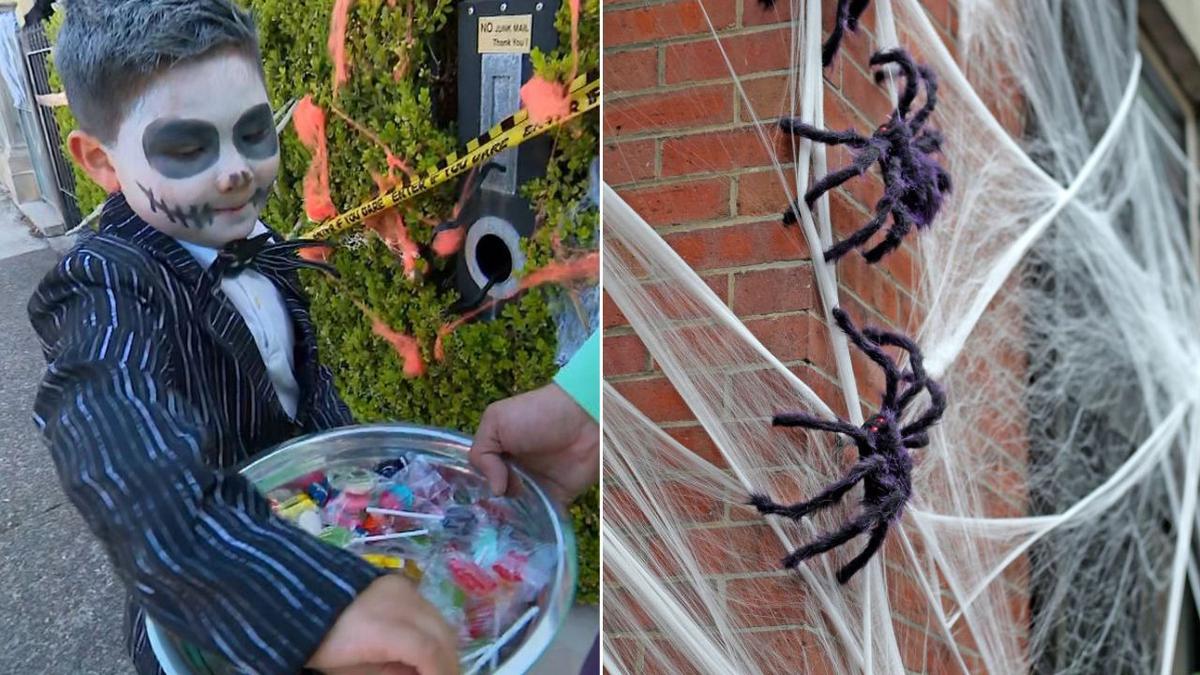
Halloween decorations featuring artificial spiderwebs could lead to fines of more than $300 in Adelaide’s southern suburbs, where Marion Council is targeting displays placed on public footpaths, trees and fencing.
Decorations on private property are exempt from the South Australian penalties, but environmental campaigners are urging people to consider the risks to wildlife before putting up displays.
Experts have warned that synthetic cobwebs can act as sticky traps for native birds, particularly as Australia’s Halloween season coincides with spring nesting.
Fake webs can also be swallowed or become tangled around birds and other animals. Willoughby City Council and Inner West Council in Sydney issued similar warnings last year, encouraging residents to choose decorations that are safer for nature.
Wildlife experts warn of entanglement risks
Wildlife rescue service WIRES said there was not yet enough data to establish a direct link between Halloween decorations and environmental damage, but warned that entanglement was already a major problem for native animals.
“Entanglement is a common call to the WIRES 24/7 Rescue office from members of the public to report animals trapped in items ranging from sports netting through to fishing line,” a spokesperson said.
“Many Halloween decorations such as fake snow and spider webs are also potential risks for our native wildlife especially birds, possums, gliders, bats and lizards.”
Bird expert Dr Grainne Cleary said synthetic cobwebs were particularly dangerous because they were sticky and could ensnare small birds such as fairy wrens and finches.
“At this time of year, a lot of birds are nesting and they’re just exploring their environment and they can get caught,” she said.
Dr Cleary also warned that birds could use the material to line their nests, leaving chicks vulnerable to becoming trapped. The decorations may be left in place for weeks rather than just on Halloween night.
Fishing line, balloons and plastic ropes or strings have also been identified as unsafe for native wildlife. Suggested alternatives include straw, organic cotton wool, sticks, twigs, leaves, pumpkins and decorations that can be reused or made from upcycled materials.
The warnings also reflect concerns about the longer-term impact of single-use plastic. While there is little data on the amount of Halloween waste produced in Australia, a UK study estimated that costumes alone generated about 2,000 tonnes of waste each year.
The Australian Retail Association has said annual Halloween spending in Australia can reach about $450 million, with roughly 32 per cent spent on home decorations that are likely to end up in landfill.
