


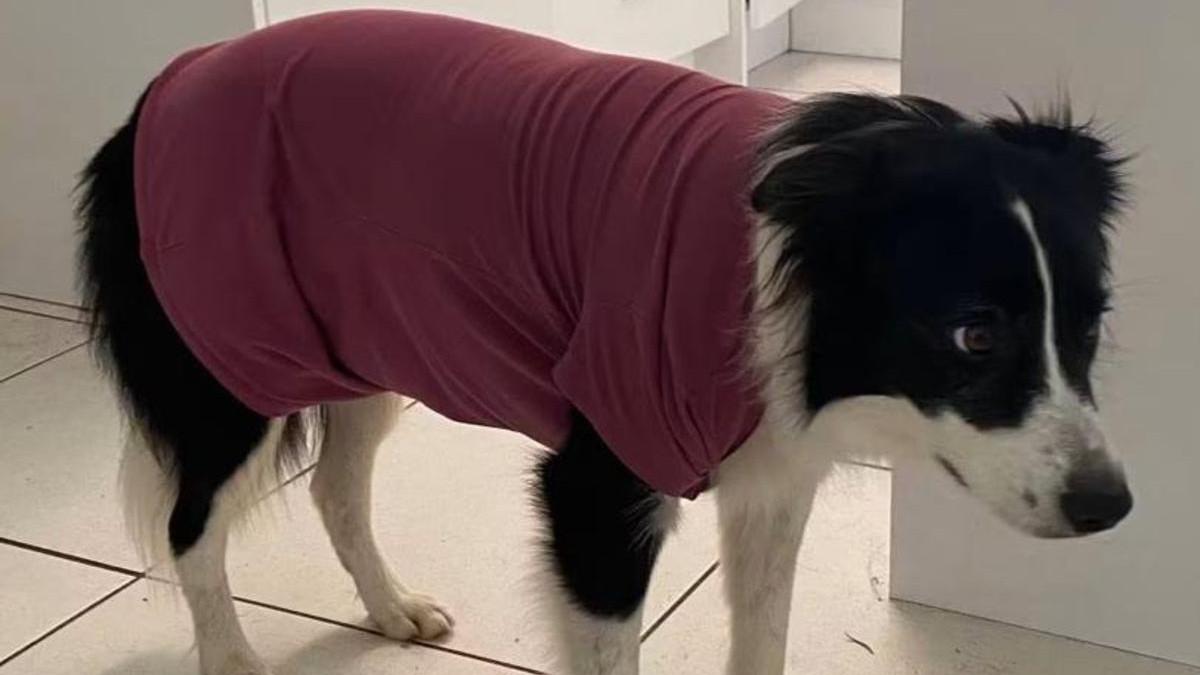
A Cairns dog owner was forced to wear full personal protective equipment in her own home for three months after her border collie contracted the rare bacterial disease melioidosis.
Karen Winzar had owned Luna for only two months when the dog became involved in a scuffle with another animal. The wound initially appeared minor, but within days it had turned brown and yellow and developed a thick discharge.
“Dog bites are normally pretty infectious or pretty dirty, so I thought I’d better get the vet to check her out,” Ms Winzar said.
Although Luna was given antibiotics, the injury continued to deteriorate. Within a matter of days, it had grown to the size of a tennis ball.
Further skin tests revealed the cause: melioidosis, a serious infection caused by the soil-borne bacteria Burkholderia pseudomallei. The disease is found in warm, tropical areas such as Far North Queensland and can cause severe illness if it spreads through the body.
“It started going a bit of a funny colour, and it started to go quite brown and yellow,” Ms Winzar said. “It looked a bit gooey as well, which was a bit gross.”
Melioidosis can lead to abscesses, pneumonia, blood poisoning and neurological complications. While direct transmission between animals and people is considered uncommon, contact with infected discharge can pose a risk, particularly through cuts or broken skin.
Ms Winzar, who runs a dog training centre and volunteers with Cairns Active Dog Sports, took extensive precautions while caring for Luna. She wore a disposable gown and gloves when handling her, confined her to a designated area of the front garden and worked to prevent contamination inside the house.
“I needed to wear a gown, you know, like a disposable medical gown and gloves when I handled her,” she said.
Luna spent three months in quarantine, cut off from other animals, the outside world and her usual exercise. Ms Winzar regularly shaved the affected area and monitored the wound as it changed, while the dog underwent repeated courses of treatment.
“I had to keep shaving it off and having to keep an eye on the wound, to watch it mutate and see what was happening,” she said.
The infection eventually cleared and Luna has since returned to her normal life, with Ms Winzar describing her as back to her “goofy” self.
The ordeal cost about $5,000 in veterinary bills. Pet insurance covered 80 per cent of the expense, helping to reduce the financial burden of the prolonged treatment.
Veterinary experts have urged owners in tropical regions to take extra care around muddy soil, floodwater and contaminated puddles, particularly during the wet season. They also recommend keeping wounds clean and covered, maintaining vaccinations and parasite treatments, and checking dogs for ticks after they have been outdoors.
